In this article
What does open edition mean?
An open edition is a release without a fixed final edition size expressed as a specified number of examples. The buyer acquires an authorised object from that edition, without a promise that it is one of a previously announced hundred or five hundred.
“Open” describes the structure of the release, rather than its quality. A figure can come from the official manufacturer, carry the artist’s markings and appear in a museum exhibition. The absence of a fraction such as 42/500 does not make it a replica or a lesser substitute for an original.
An open edition also need not be available at every moment. Production, deliveries and shop inventories remain finite. A batch can sell out, and a later supply may or may not follow. The edition designation and a shop’s stock status answer different questions.
KAWS COMPANION 2016: a useful example
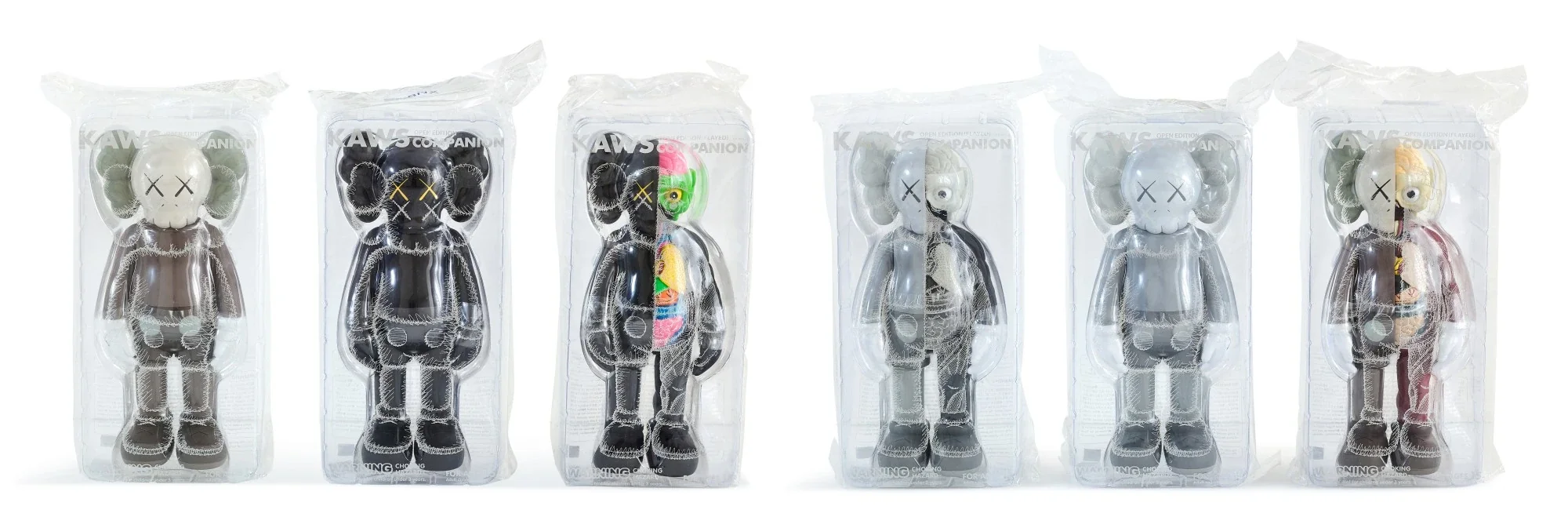
The 2016 COMPANION releases make this distinction clear. They include conventional figures and FLAYED versions, with one side revealing an imagined anatomy. NGV’s museum labels explicitly identify COMPANION FLAYED from 2016 as an open edition. Bermuda National Gallery also describes its six vinyl COMPANION figures as open edition.
The manufacturer uses the same designation. MEDICOM TOY’s announcement of sales on 18 March 2017 lists COMPANION OPEN EDITION and COMPANION (FLAYED) OPEN EDITION in brown, grey and black. That date belongs to a particular sales announcement; the figures retain their 2016 edition identity.
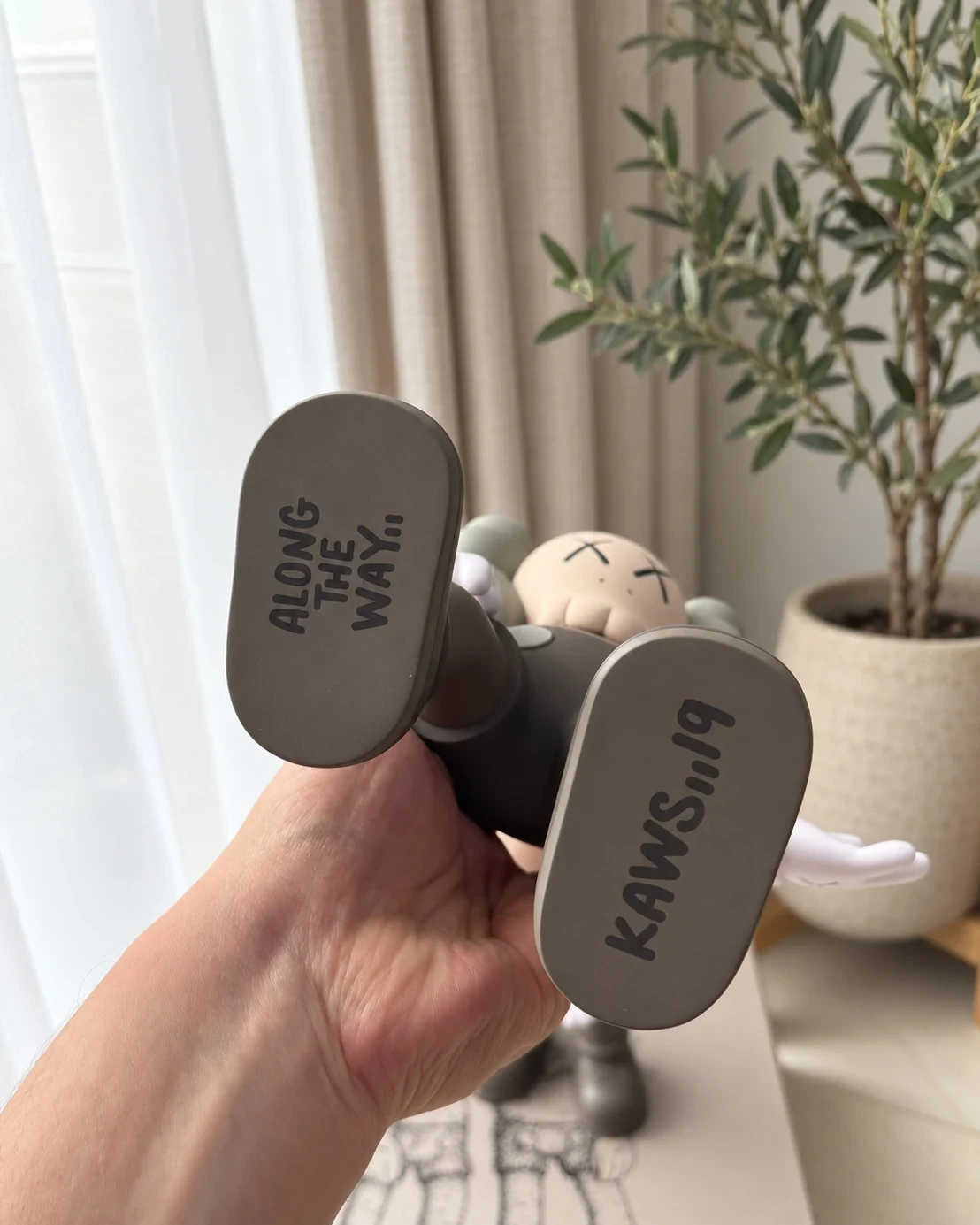
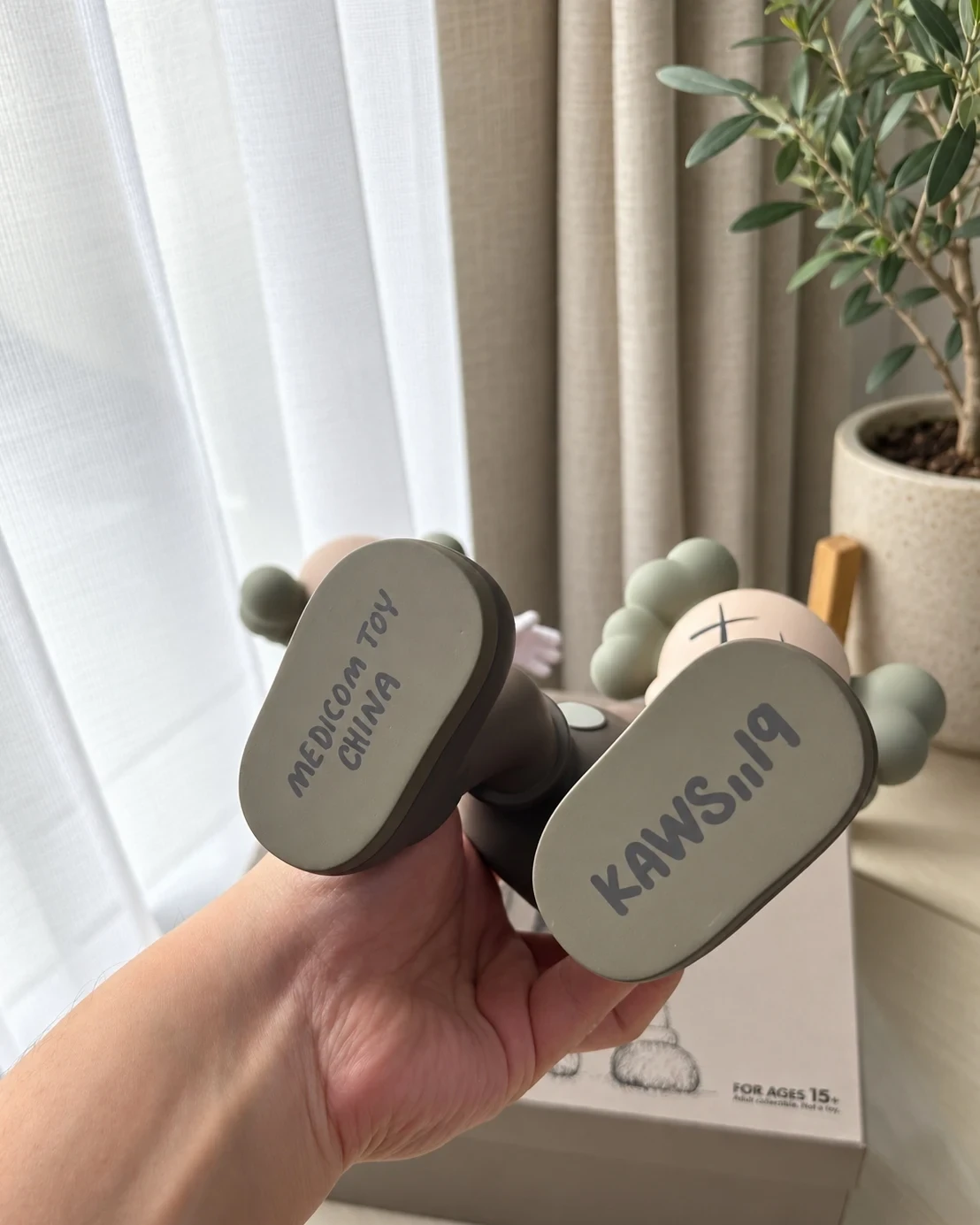
Documented examples bear moulded marks naming KAWS, the year 16, OPEN EDITION and MEDICOM TOY. These identify the edition and manufacturer. An individual example number would provide a different piece of information.
Why an open edition can sell out
The same MEDICOM TOY announcement says that sales end when stock is exhausted. There is no contradiction: open edition describes how a work is issued, while the shop announcement concerns the batch available for sale.
Museum shops offer another example. In May 2017, MoMA Design Store offered a limited supply of open-edition COMPANION figures. A small quantity at a particular outlet is different from a fixed overall edition size. “Limited stock” or “limited supply” can describe availability without changing the edition itself.
A sold-out notice therefore tells us that a seller has exhausted its inventory. It does not establish how many examples exist worldwide or whether further stock will ever appear. It is useful information about access to the object, rather than evidence for an edition of five hundred.
Limited editions and numbered editions
A limited edition is issued in a restricted quantity. Ideally, a stated number identifies its size, the version is clear and the manufacturer or object documentation supports that information. A finite edition and individual numbering are related but separate characteristics.
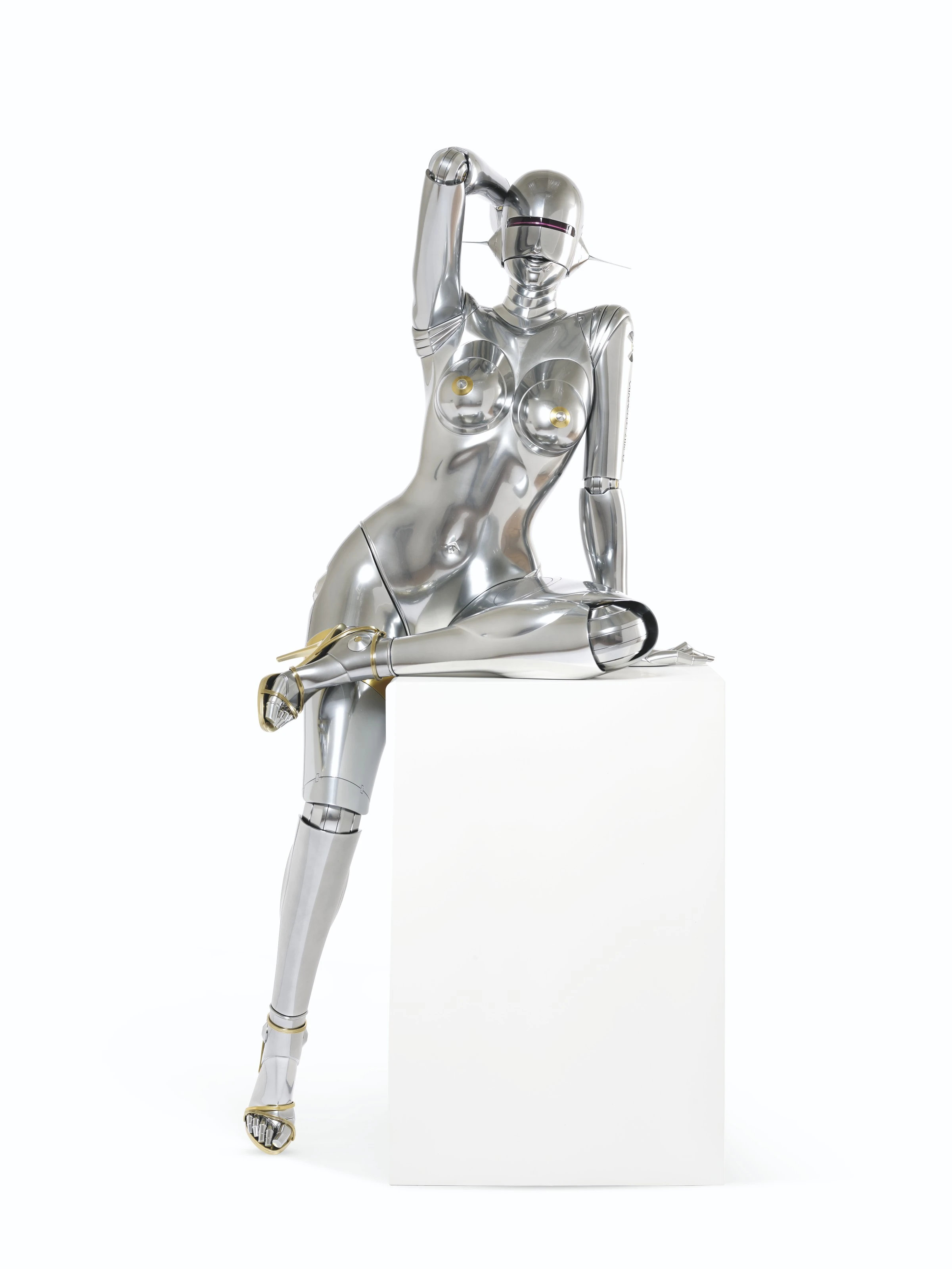
In a mark such as 175/500, the first number identifies the example and the second the size of the corresponding main edition. A documented No Future Companion from 2008, the KAWS and Hajime Sorayama collaboration, carries this numbering. Its position underneath the object means that a frontal photograph will not show it.
Another limited release might comprise a hundred examples without a fraction on each one. Its total quantity can be known even where the objects are not individually numbered. Asking whether a number is present helps describe an example; identifying the release gives that observation its meaning.

COMPANION 1999: five hundred of each colour
The first vinyl COMPANION figures appeared in 1999 in collaboration with Bounty Hunter. Brown, grey and black versions are documented in editions of five hundred per colour. The qualification matters: five hundred refers to each colourway, rather than to all the early COMPANION figures combined.
The small early figure and COMPANION 2016 belong to different stages in the character’s history. Familiar features connect them, while their years, proportions and edition structures differ. The later open edition has its own identity, even though both figures stand with their arms lowered.
Full names and photographs from several angles make the comparison clearer. Dimensions, head shapes and markings help identify the object in front of us. The historical interest of an early release becomes more tangible through these details than through the word “limited” alone.
COMPANION 1999 / Dissected 2006
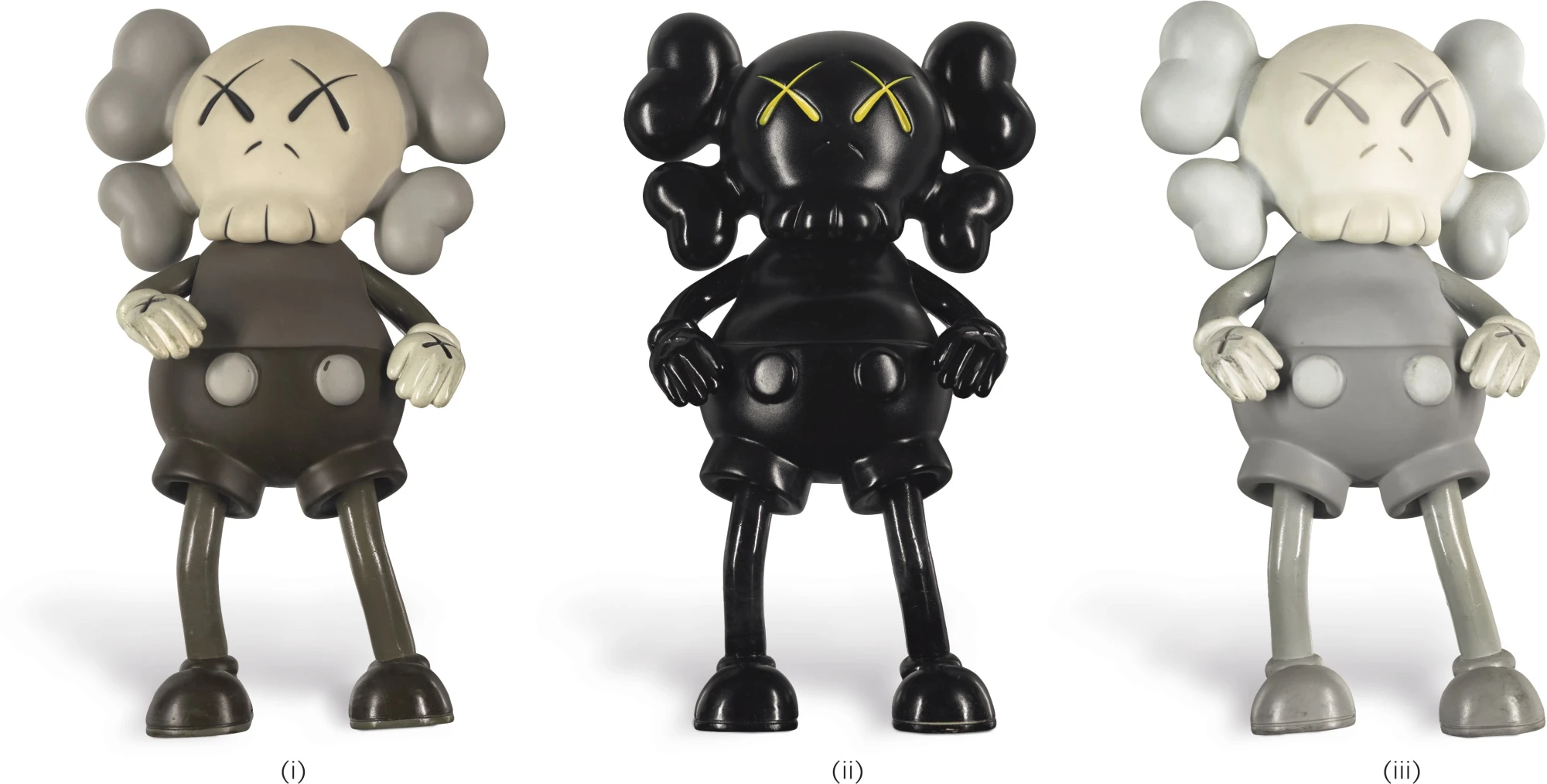
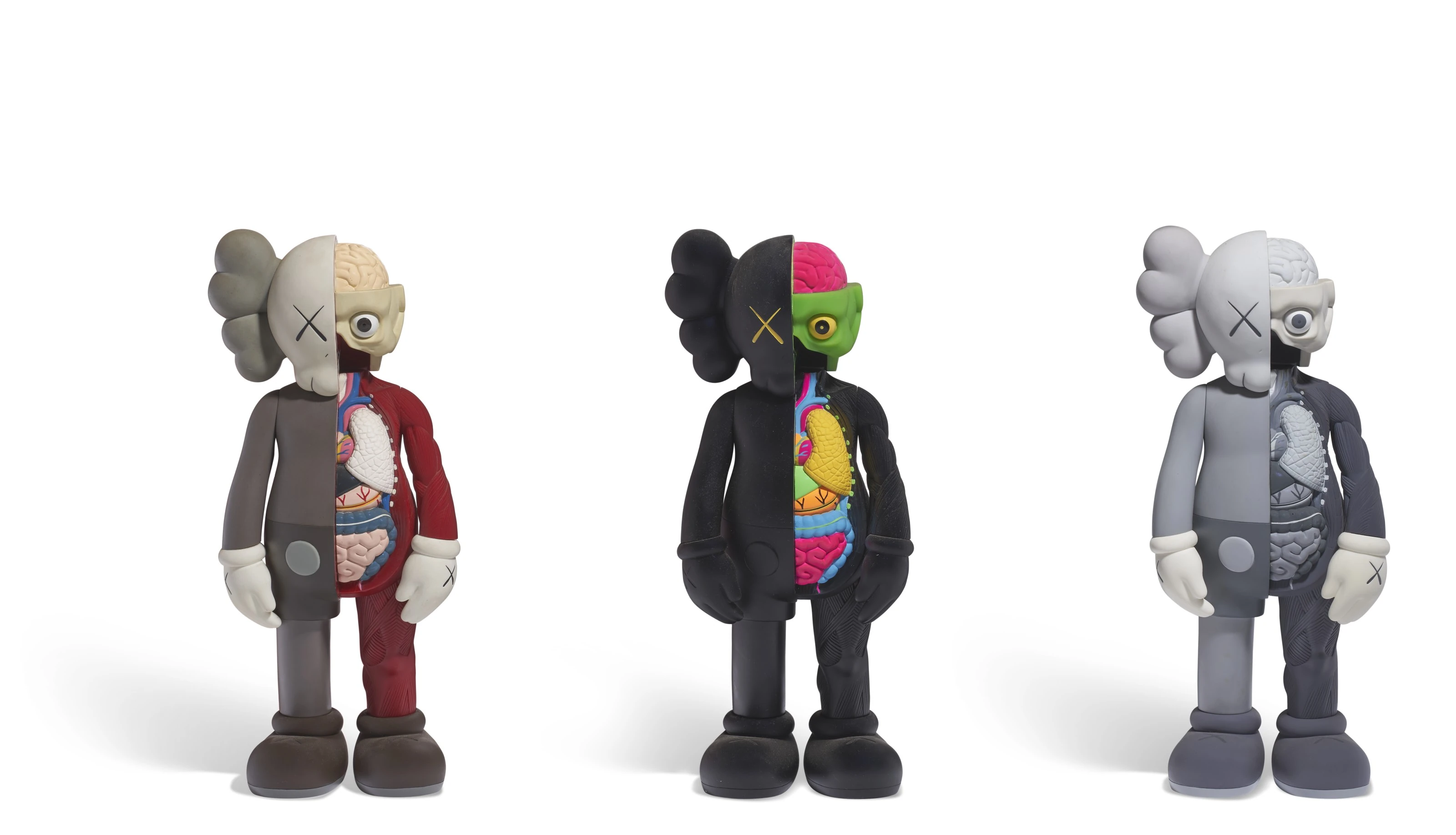
Limited but unnumbered: Four Foot and Passing Through
Sotheby’s records the grey Four Foot COMPANION from 2007 as an unnumbered edition of one hundred. Christie’s likewise describes the 2009 black Four Foot Dissected Companion as an edition of one hundred without individual numbering. Both demonstrate how a figure can belong to a finite edition without carrying a fractional number.
Passing Through deserves its own reading. Sotheby’s describes the grey vinyl release from 2013 as an unnumbered limited edition. This is enough to distinguish it from the open-edition COMPANION figures of 2016. Where a particular record leaves the total quantity unstated, its description can preserve that uncertainty.
These objects may still have moulded or printed names, dates and manufacturer details. Such production markings help identify a release. They need not include a sequential number, and they are different from a signature applied by the artist’s hand.
What is an AP?
AP stands for artist’s proof. In sculpture editions, these examples may be designated separately from the main numbered edition. Their quantity is established for the particular work; there is no universal rule that it must equal ten per cent.
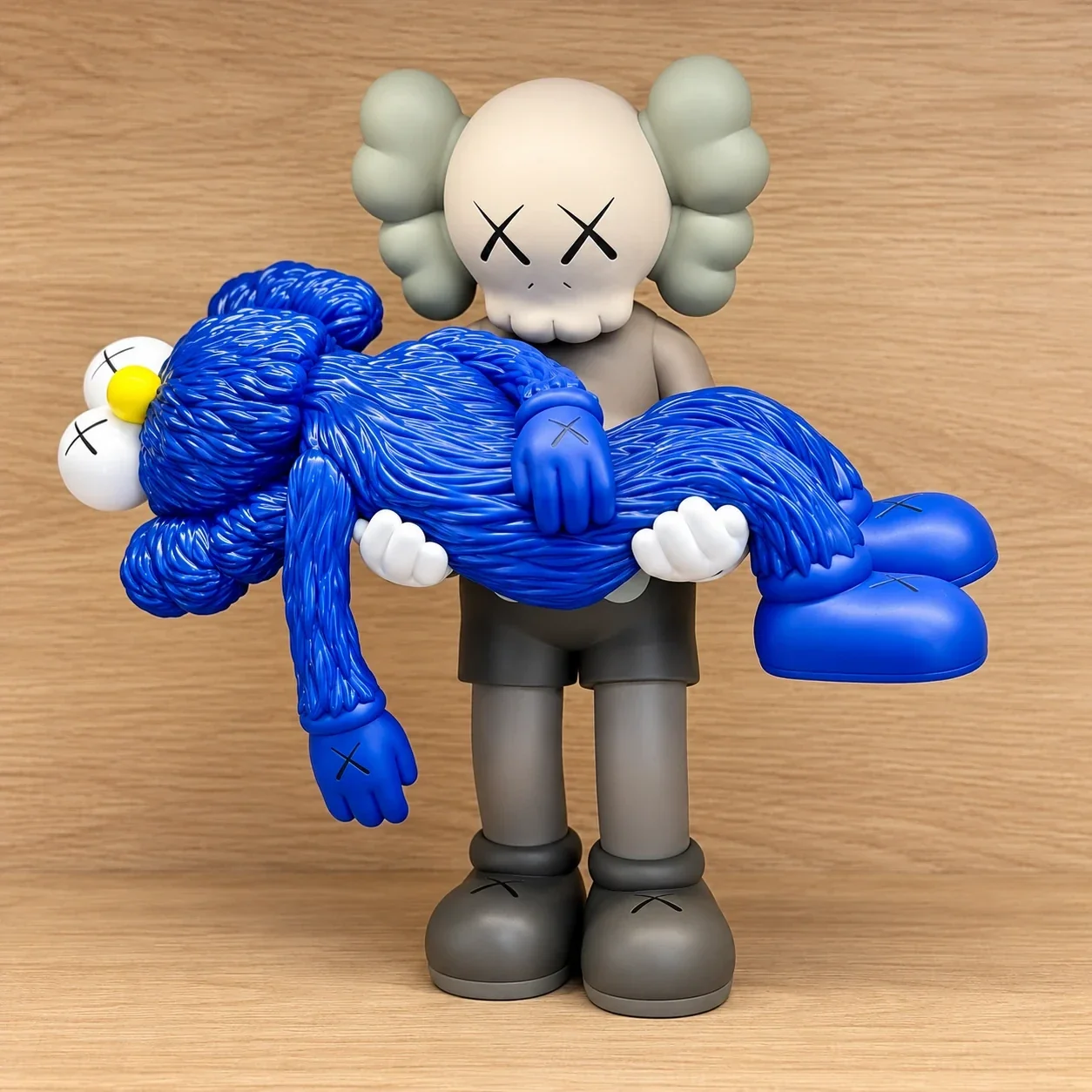
For the 2020 bronze GONE, approximately 180 centimetres high, Christie’s records an edition of one plus one AP. This is the large bronze sculpture, with its own specification, rather than the vinyl GONE made for a domestic collection. Another sculpture, COMPANION (ORIGINALFAKE) from 2011, is documented with three main examples plus two artist’s proofs.
“3 + 2 AP” therefore describes five documented examples in two categories. An AP designation alone tells us little about condition, quality or price. Those aspects depend on the individual object and its history, alongside its place in the edition.
Colourways and production quantities
Brown, grey and black COMPANION figures look like close relatives, but edition information belongs to each particular version. For the 1999 release, the documented five hundred applies to each colour. Three colourways in the 2016 open edition do not establish three finite production totals.
Colour also changes how a figure is perceived. A monochrome body emphasises the silhouette, while a colourful FLAYED version brings out the relationship between its exterior and anatomical details. That can be a reason to choose a particular figure, regardless of whether one version is described as rarer.
The number of variants in a catalogue offers no production count either. Three photographs might show different colours, different sizes or entirely different objects. Identifying what is being compared makes the edition discussion much more useful.
Scale, material and packaging
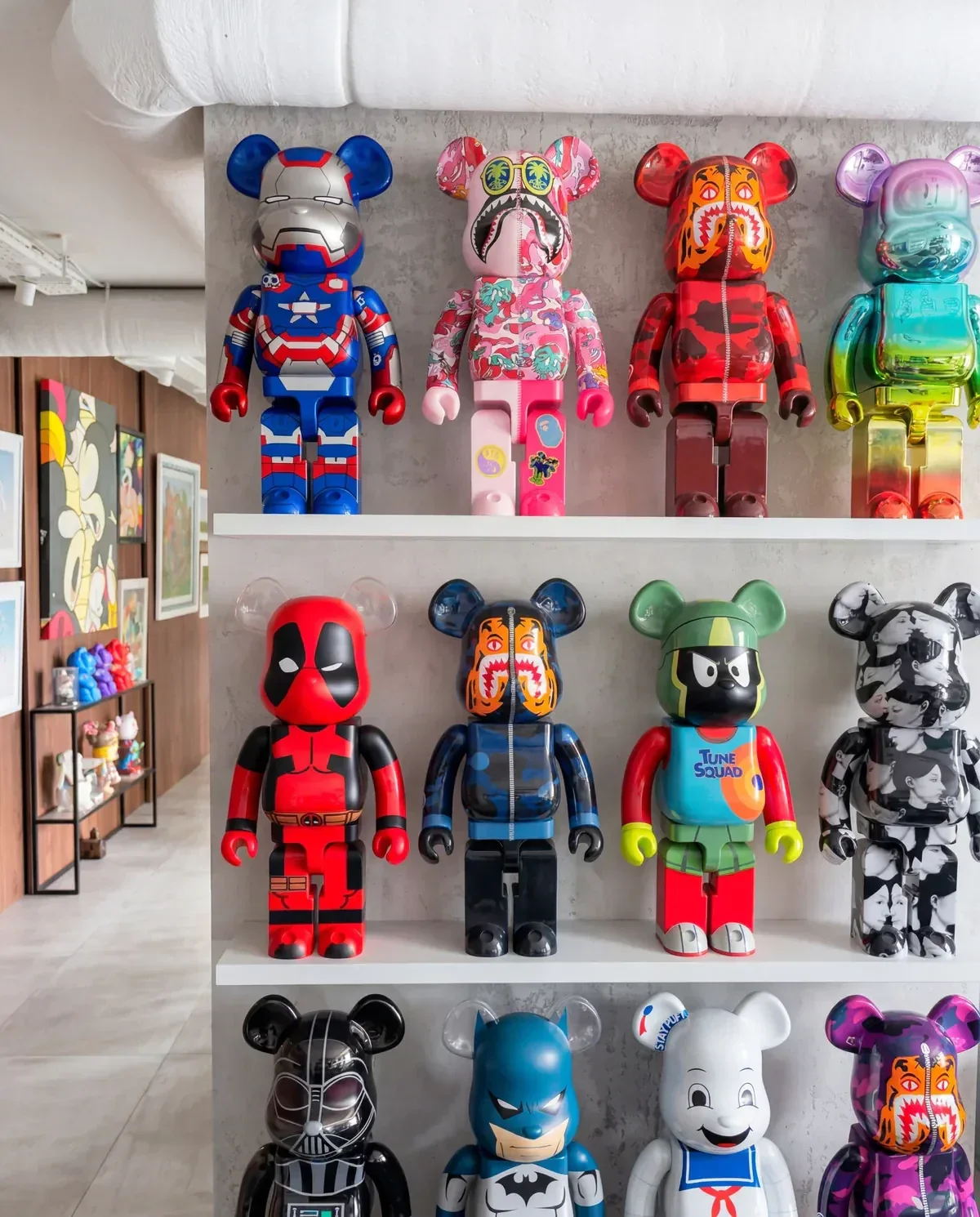
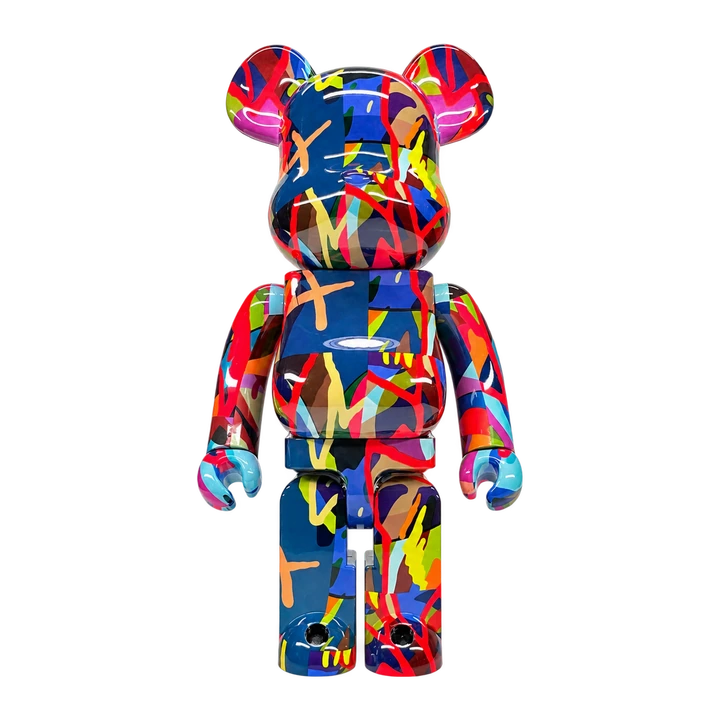
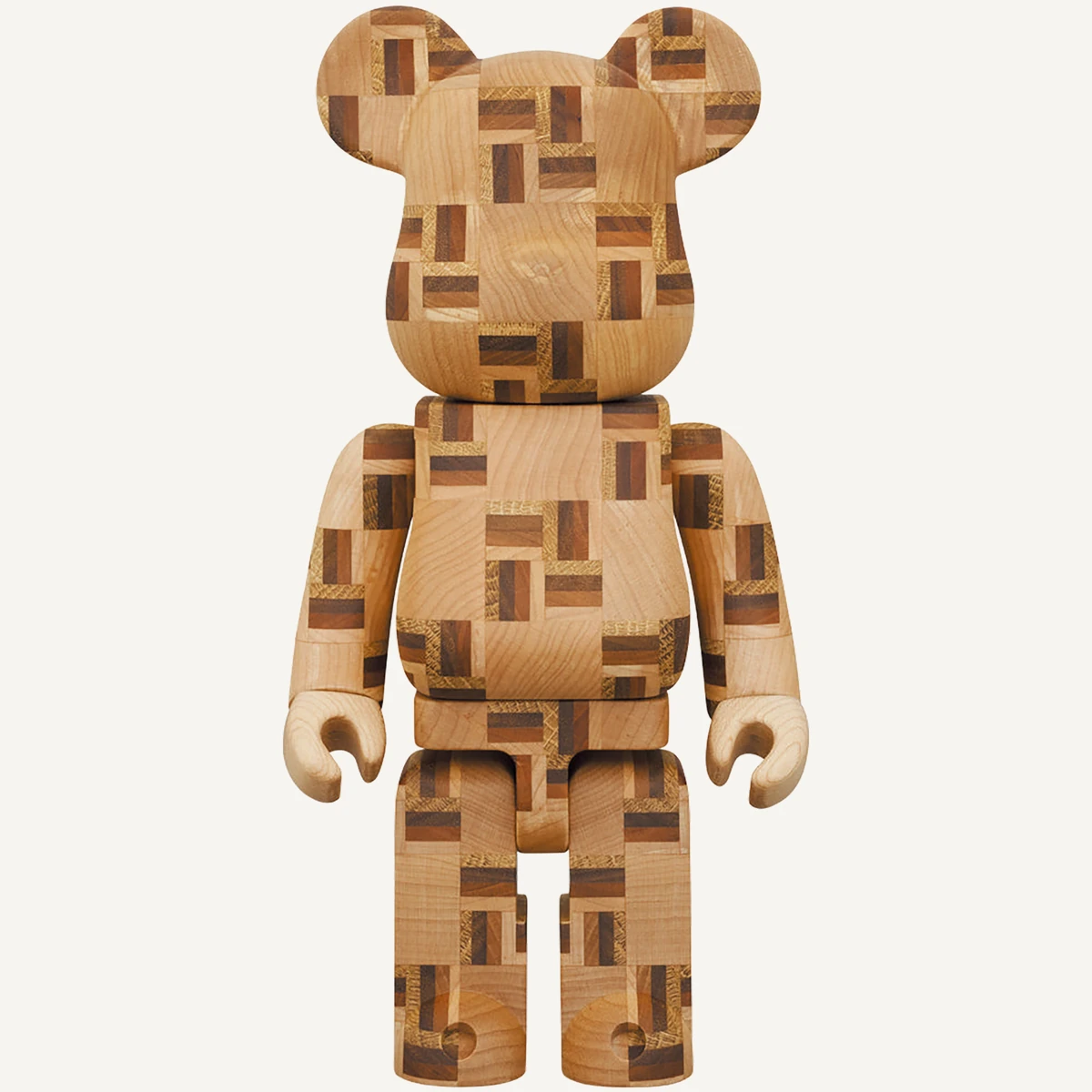
BE@RBRICK designations such as 100%, 400% and 1000% identify size formats. They do not say that one hundred, four hundred or a thousand figures were made. The number in a size name serves a different purpose from an edition total.
A sculpture title containing “1/3 Scale” also describes proportions. An edition number of 1/3 can instead identify the first example out of three. The context of a number—title, dimensions or edition field—explains what it means.
Material adds another distinction. In December 2018, the Modern Art Museum of Fort Worth announced an open-edition vinyl CLEAN SLATE in three colours to celebrate its acquisition of a monumental bronze sculpture. The image connects the objects, while their materials and editions remain distinct.
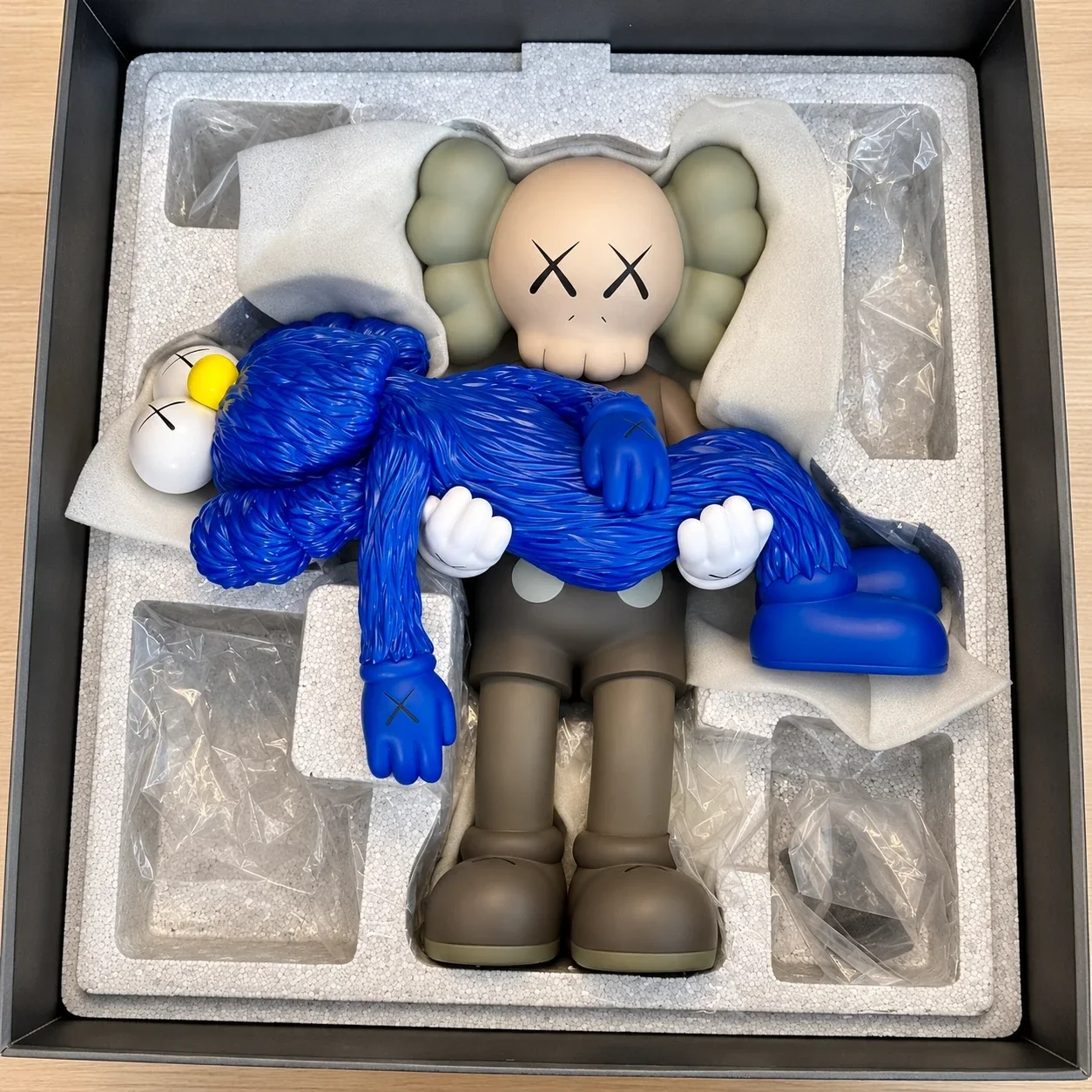
Packaging measurements serve another purpose again. When planning a display at home, the dimensions of the figure and its base are the useful reference. The box matters for storage, transport and completeness, but its length does not describe the composition inside.
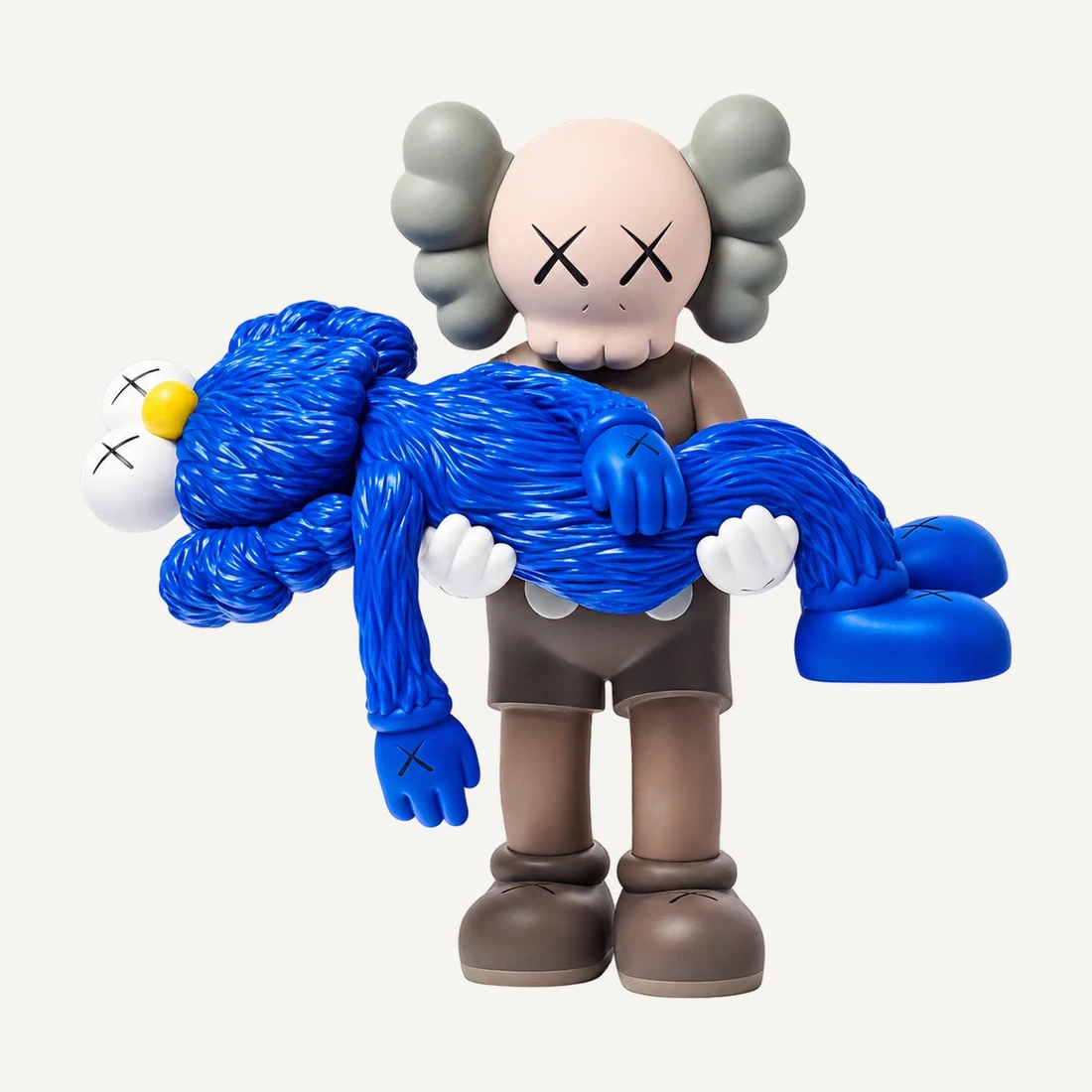
Scale / GONE
What “limited quantity” tells us about BE@RBRICK
MEDICOM TOY’s Japanese announcements often use 数量限定, meaning limited quantity. The official SORAYAMA LIGHT Ver. 1000% page, for example, includes a limited-quantity notice and warns that stock may sell out, without publishing an exact overall edition size.
That information describes the sale without establishing a total of five hundred or one thousand. An undisclosed quantity also provides no basis for calling the release an open edition. That designation needs its own supporting evidence.
Three situations are worth separating: the exact total is known; the release is described as limited but the total is undisclosed; or it is explicitly identified as an open edition. A useful description can leave an unknown number unknown. The object’s version and provenance can still be understood and appreciated.
Restocks and new releases
When a figure returns to a shop, it may be an additional supply of an existing release. Another announcement could concern a different colour, size or material, even though the same character remains recognisable.
The full title, year, manufacturer, dimensions and photographs of the markings help distinguish these situations. A change of seller alone does not establish a new edition. A change of material or construction can point to a different object beneath a familiar name.
A date on the sole contributes to that history without necessarily matching the year in which a particular buyer placed an order. A figure can remain on sale—or appear on sale again—years after its initial release and retain its original production markings.
Editions, authenticity and condition
An open-edition figure can be an authentic official object, while a counterfeit can carry a convincing-looking fraction or label. Edition information and provenance work together. A number is one detail to consider alongside the correct form, markings and contents of the particular release.
Condition also deserves a separate description. Opening a box does not change the production quantity. A scratch does not change the edition type, and an intact box alone does not authenticate its contents. Each characteristic tells us something different about the object.
Clear photographs of the overall figure, soles, base and packaging are useful. Reflective surfaces benefit from views that reveal their finish; complex compositions need attention to joints and projecting parts. A certificate matters where the release originally included one. The original specification establishes what documents and accessories should accompany it.
ALONG THE WAY
Choosing an edition for your collection
An open edition offers a straightforward attraction: room to concentrate on the image, its pose and its place at home. Choosing COMPANION 2016 for a quiet silhouette or the colourful anatomy of FLAYED is a complete approach to collecting in itself.
A limited edition introduces another kind of history: a period, collaboration, material and known number of examples. Individual numbering can make that history feel tangible, while an unnumbered object with reliable documentation can be just as rewarding to explore.
Before choosing, establish a few concrete details: the full title, who produced it, its material and dimensions, what is known about the edition and what comes with it. The remaining questions concern the particular example’s condition and whether it is a work you want to see around you every day.
The most useful purpose of “edition” is to describe an object precisely. A particular version with a clear history tells us more than a general label such as “rare bear” or “KAWS figure”. Edition information then places the work in context, leaving space for the pleasure that started the collection.
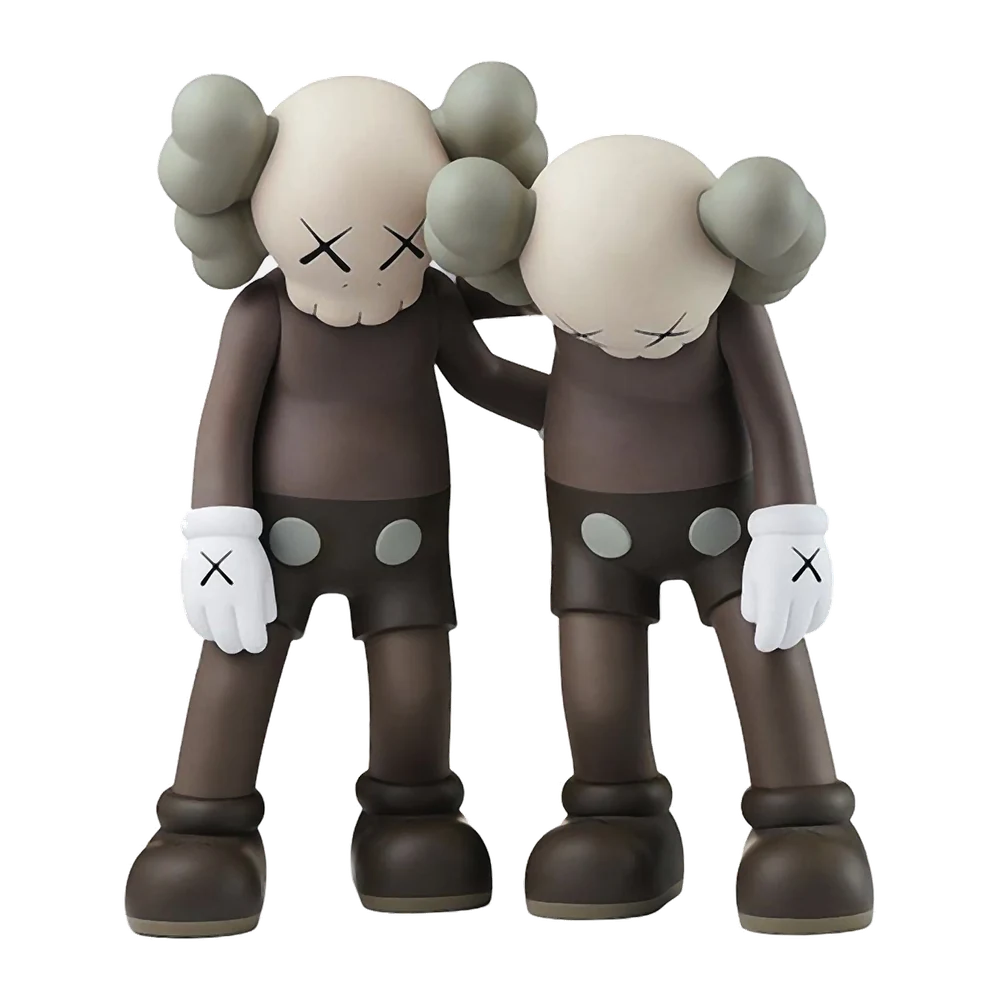
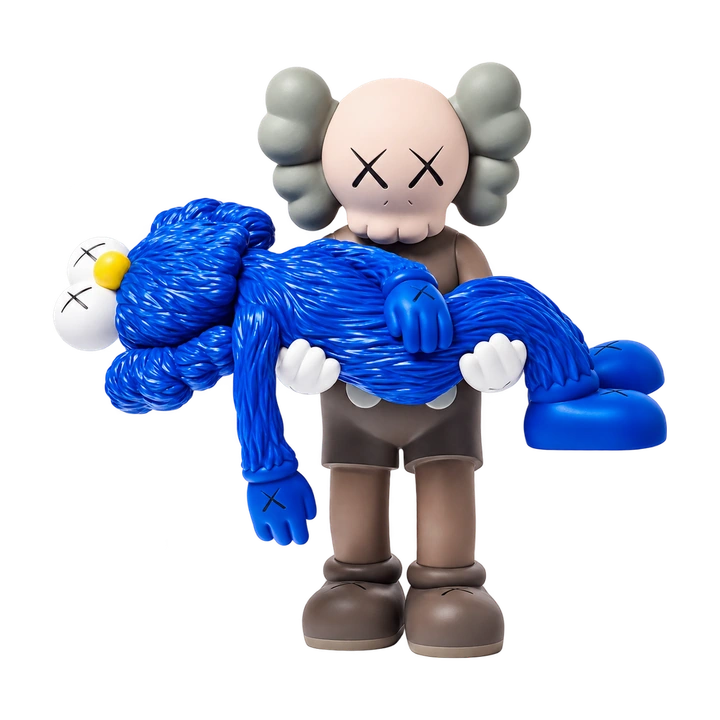
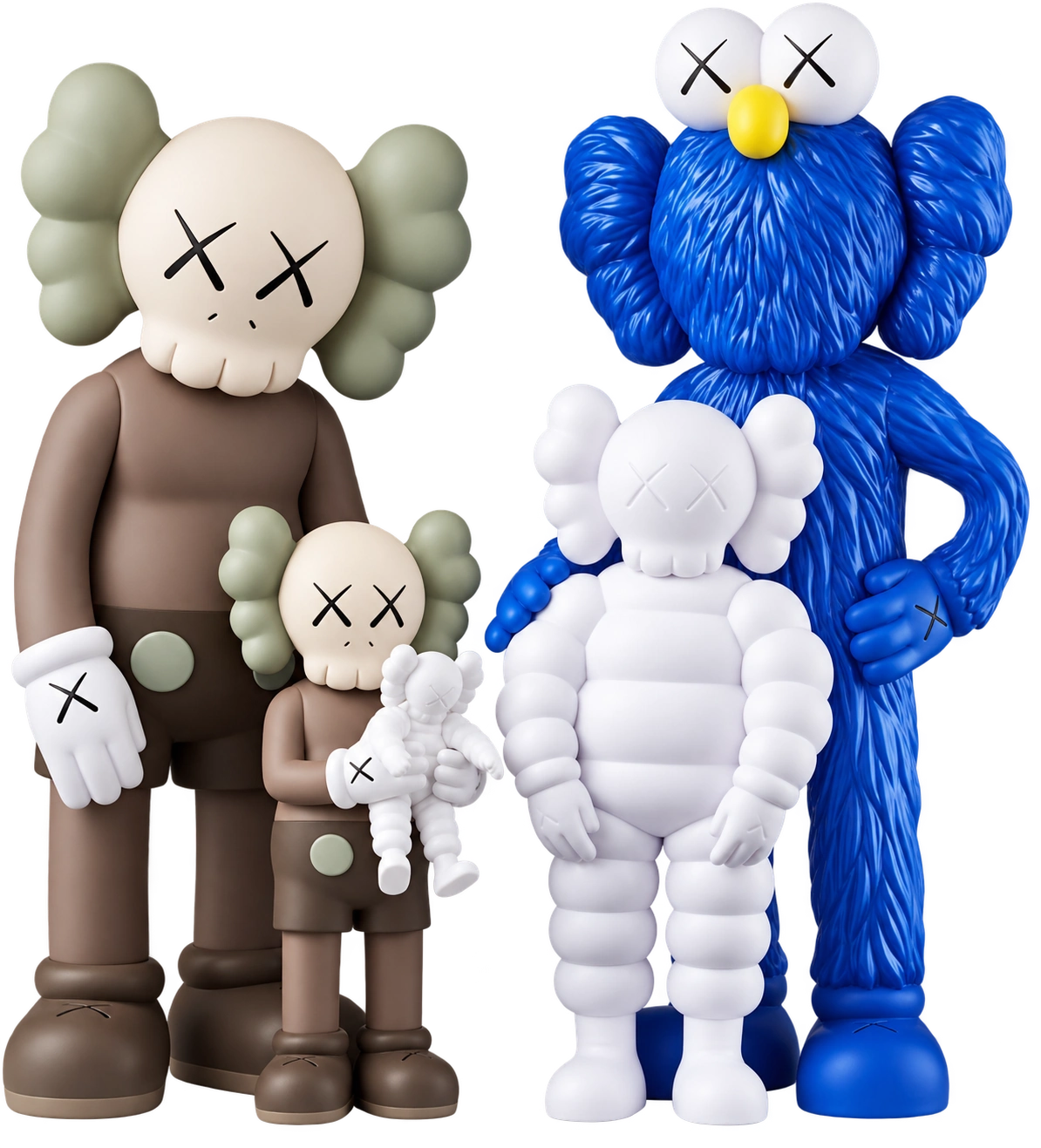
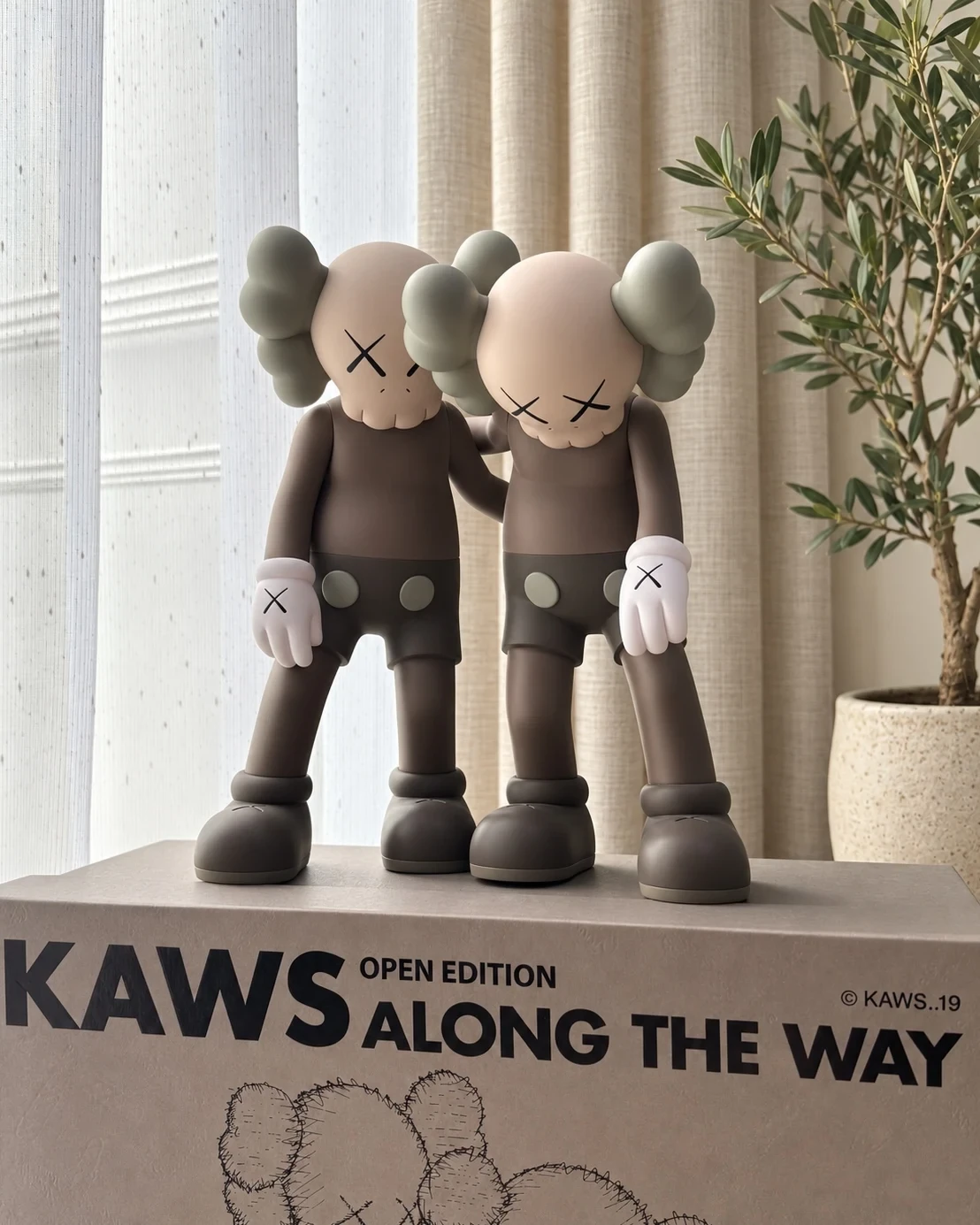
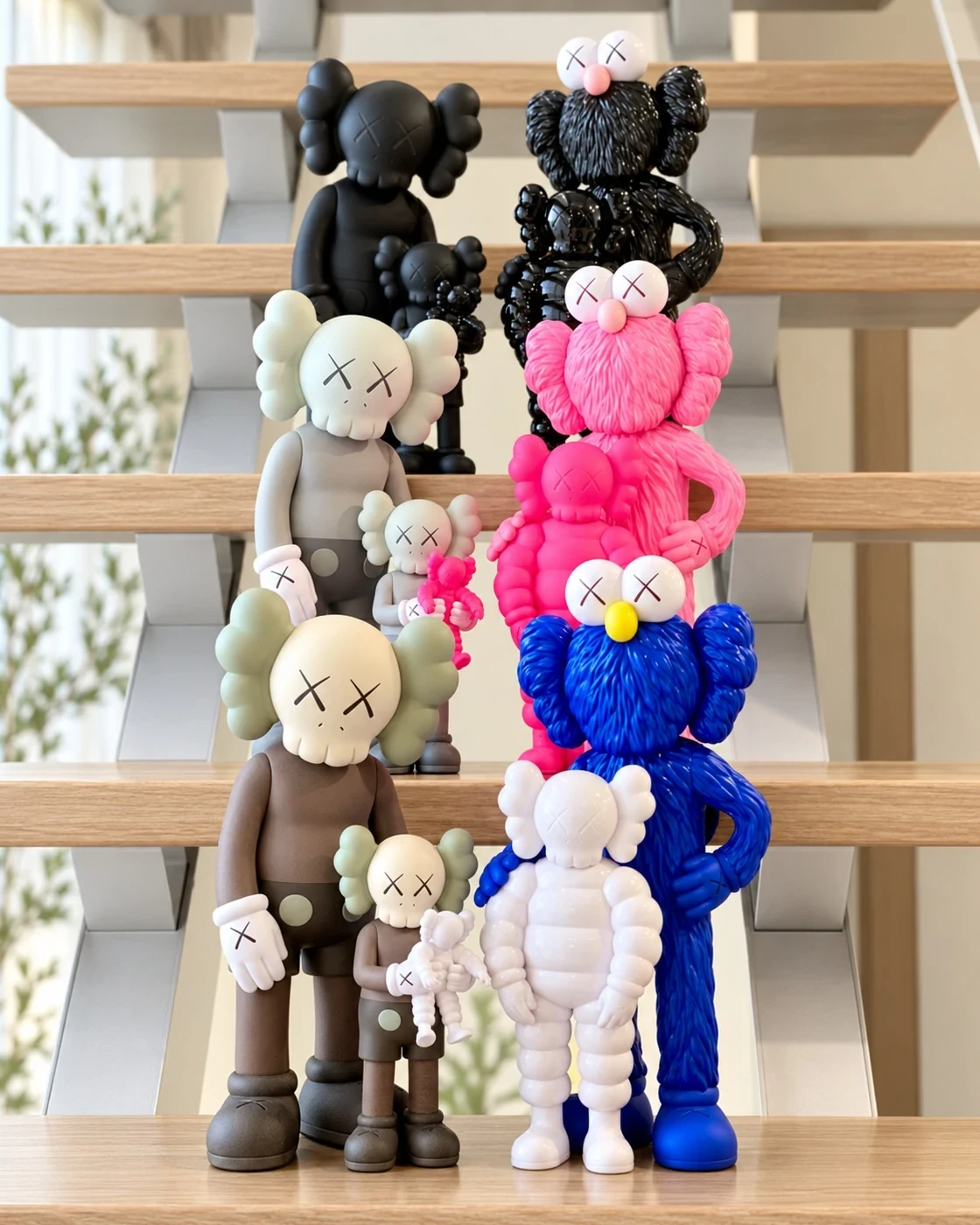
Explore KAWS ALONG THE WAY Brown, GONE Brown / Blue and FAMILY Brown / Blue / White in our catalogue to compare compositions, dimensions and photographs of the actual pieces.
ArtComBuro