The 2026 Venice Art Biennale, In Minor Keys, runs from 9 May to 22 November 2026. At the verification date, 20 November 2026, it is in its final days. After 22 November, the works and routes below become a record of that edition, not a promise that the installations remain accessible. The confirmed exhibition in 2027 is the Architecture Biennale, not another edition of this art exhibition.
For a first visit, the most important choice is whether to give Giardini and Arsenale separate days. They are different sites, each large enough to reward a sustained visit. The ordinary 2026 ticket permits one entrance to each, including on different, non-consecutive days within the exhibition period. That is a different right from unlimited return to either site. Choose through the actual edition’s ticket conditions rather than the general word “Biennale.”
Which Biennale and which year?
| Event | Confirmed dates | How to use this guide |
|---|---|---|
| Biennale Arte 2026, In Minor Keys | 9 May–22 November 2026 | The four artwork cases and access conditions below belong to this edition |
| Biennale Architettura 2027 | 8 May–21 November 2027; pre-opening 6–7 May | A separate exhibition with a different programme and admission release |
| A subsequent Art Biennale | No verified 2028 visiting calendar established here | Wait for an official announcement; do not reuse 2026 dates, works or tickets |
The organizer’s Art 2026 page identifies In Minor Keys with Koyo Kouoh. The exhibition was realized with her selected team following her death in 2025. Its curatorial introduction invites slower attention to quieter forms of creation, relation, repair and endurance. It is not a request to ignore conflict or to treat every work as a soothing experience.
The 2027 architecture announcement names Wang Shu and Lu Wenyu and the title Do Architecture — For the Possibility of Coexistence Facing a Real Reality. The same city and some of the same venues do not make this a continuation of the 2026 artwork programme. Art, architecture, cinema, performance departments and particular collateral events require their own calendar checks.
The international exhibition, national pavilions and collateral events
The international exhibition follows a curatorial proposition across Giardini’s Central Pavilion and the Arsenale. National participations have their own artists and curators, with pavilions inside the main sites or elsewhere in Venice. Collateral events are another category. A project’s inclusion in the wider Biennale context does not automatically make it a room of the international exhibition or include its entrance in every ticket.
This distinction makes looking more rewarding. Cauleen Smith, Alfredo Jaar and Laurie Anderson provide three contrasting cases within the international exhibition at the Arsenale. Yto Barrada’s Comme Saturne is France’s national participation at the Giardini. The difference is institutional, not a ranking of artistic importance. Read the project’s own account before turning four very different presentations into one universal theme.
A country name also does not guarantee a familiar permanent building. The actual 2026 map determines where a participation is located. For an off-site event, verify the building, entrance, dates, days of closure and admission independently. Venice’s network of bridges, canals and temporary openings makes an apparently short map route more complicated than neighbouring dots suggest.
Tickets and entrances: the 2026 rules
The official information lists the ordinary one-access ticket at €30, with €0.50 presale rights. It covers one entrance to Giardini and one to Arsenale, which can be on different, non-consecutive days. Multiple-access products, concessions and accreditation have their own conditions; some require identification. These are dated 2026 facts, not prices for the next Art Biennale.
| Site or decision | 2026 information | Practical consequence |
|---|---|---|
| Giardini | Entrances at Viale Trento 1260 and Sant’Elena, Viale IV Novembre | Save the chosen gate; do not head to the administrative office |
| Arsenale | Entrances at Campo della Tana 2169/F and Ponte dei Pensieri, Salizada Streta | Check which entrance suits your actual programme |
| Autumn opening | 29 September–22 November, 10:00–18:00 | Last admission 17:45; a late arrival is not a full visit |
| Ordinary ticket | One entrance to each principal site | Leaving does not create an unlimited right to return |
| Three-day product | Three consecutive days, closure days excluded | Read personal and ID requirements before choosing it |
| Guided tour | Own reservation and purchase conditions | A tour does not automatically include exhibition admission |
The prepare-your-visit page confirms the autumn hours. The normal Monday closure had a dated exception on 16 November. Individual pavilions can vary, so the principal site’s opening time is not a guarantee that every presentation follows it without interruption. For accessibility, use the organizer’s actual map and assistance information rather than assuming every bridge, room or outdoor path is step-free.
A special closing-weekend notice changes the price for those dates: on 21 November, the €5 rate is for eligible Venice and Veneto residents with proof; on 22 November, the final day, it extends to all visitors. These exceptions must not be turned into the regular or future tariff. Their tickets retain the specified single-entry coverage.
Before leaving, compare the map address with your chosen gate. Ca’ Giustinian, San Marco 1364/A, appears in the organization’s contacts; it is not a universal entrance to the art exhibition. For a group meeting, specify Giardini or Arsenale and the actual gate. An offline copy of the arrival instructions can help when mobile coverage or transport arrangements change.
The 2026 rules require online purchase and reservation for tickets and guided tours; specific final-weekend ticket-desk exceptions are described below. A tour fee does not automatically include admission.
Cauleen Smith: a city heard through Wanda Coleman
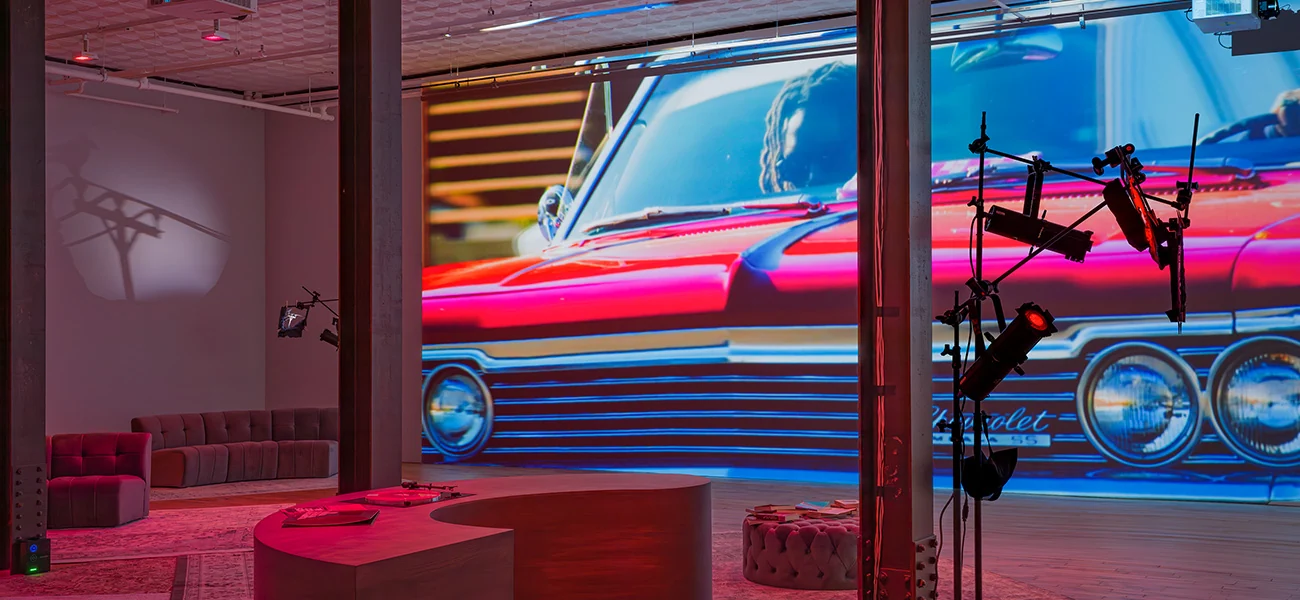
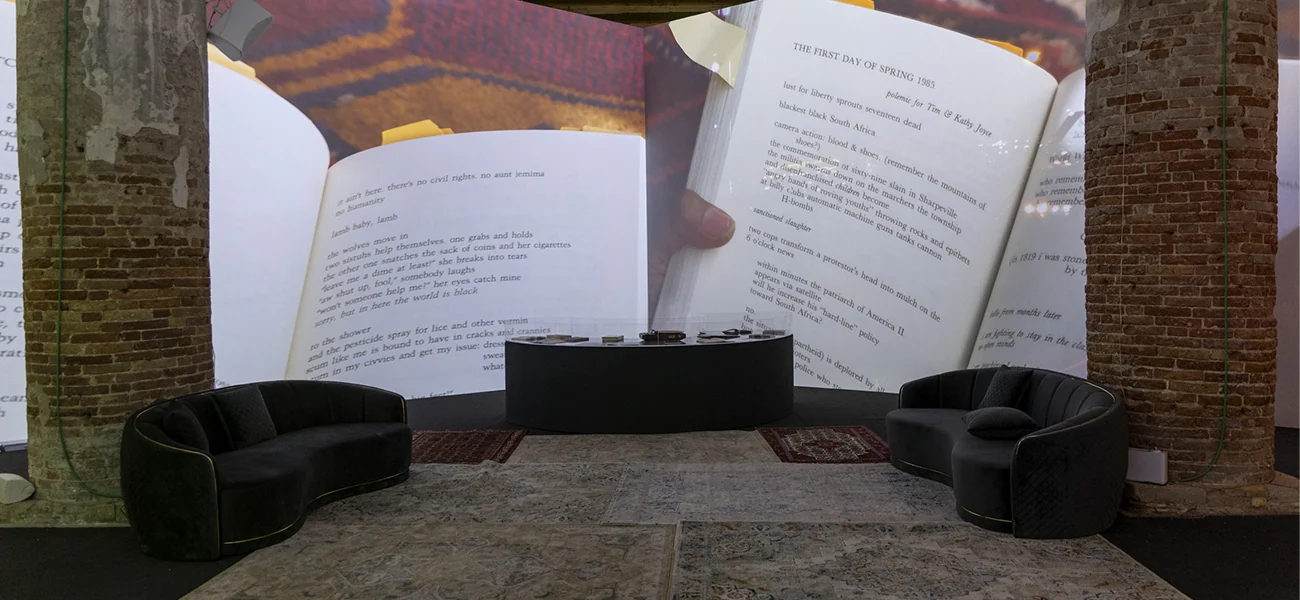
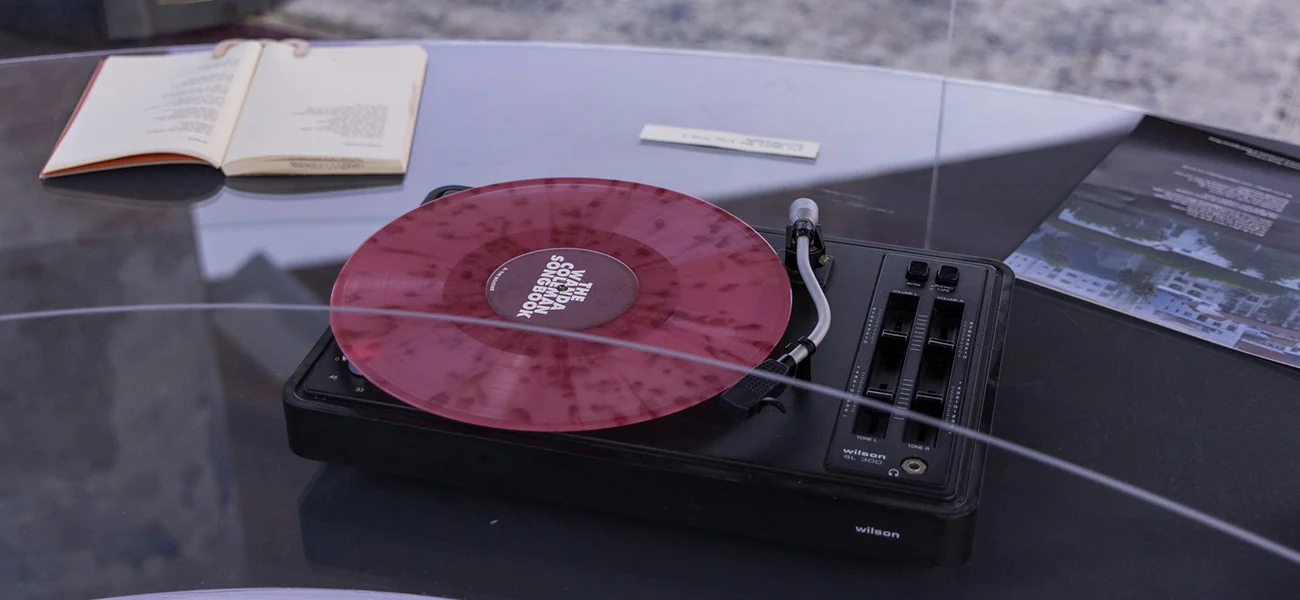
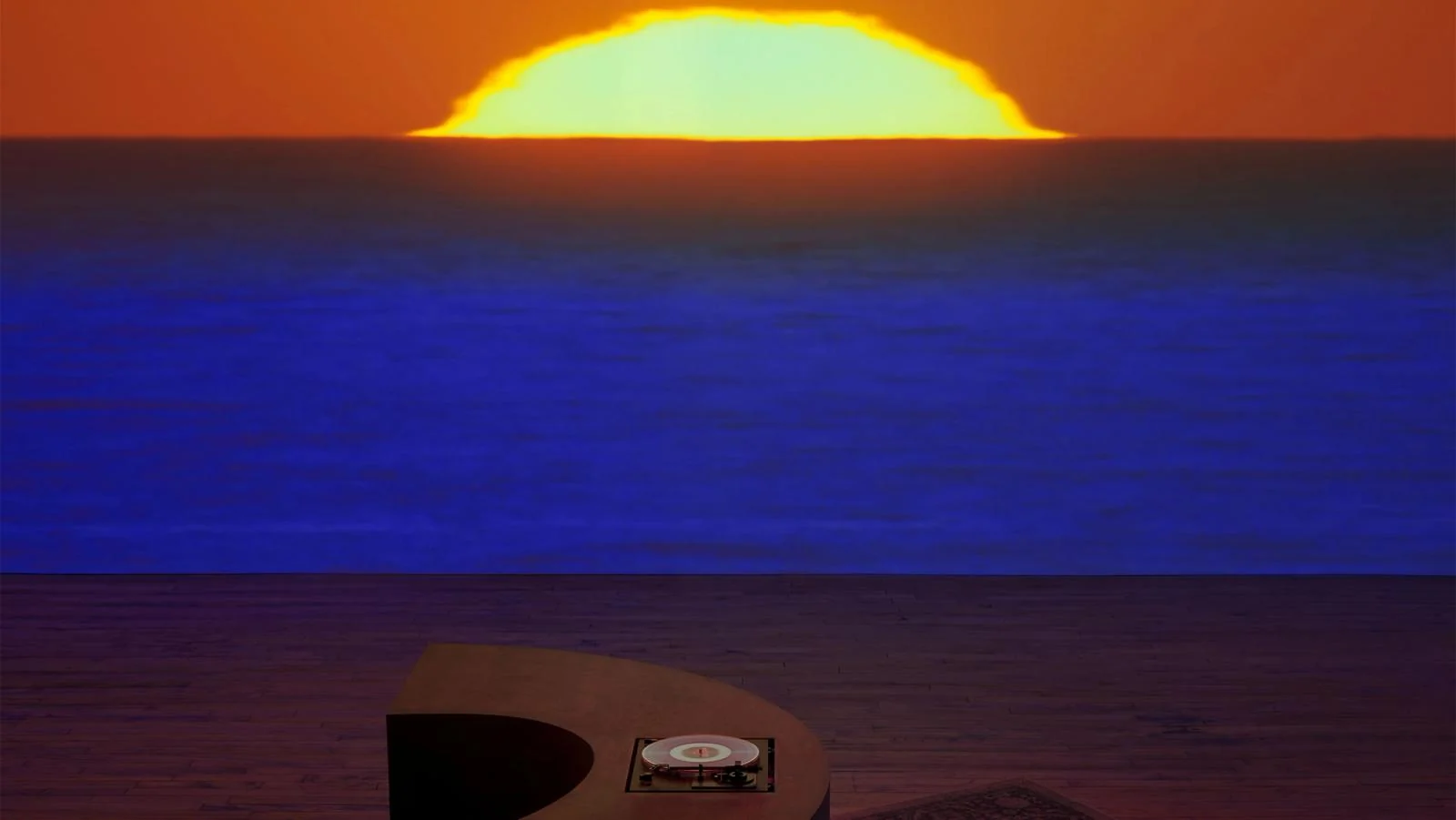
At the Arsenale, Cauleen Smith’s The Wanda Coleman Songbook brings film, sound, scent and a listening environment together. The poet Wanda Coleman, 1946–2013, provides a way into Los Angeles beyond its familiar postcard image. The four-channel video moves through cars, flower stalls, shops, hills, oil wells and Coleman’s books; the space includes sofas and rugs.
The artwork rewards a change in viewing speed. Rather than waiting for one definitive screen image, listen to how words and music relate to changing places. Several channels can ask you to accept that you cannot see everything at once. Furniture and scent are not simply visitor comforts: they shape the relation between a public exhibition and intimate listening.
The gallery’s account identifies an earlier presentation at 52 Walker, New York, in 2024. Its installation photograph is labelled here as New York 2024, not Venice. Comparing that view with the Biennale album helps explain a work’s changing installation history without pretending the rooms are interchangeable. Allow time for the actual sound and moving image before continuing.
Cauleen Smith
A visual selection for the ArtComburo guide. Photographers and sources are credited below each image.
Alfredo Jaar: a small cube and the space around it
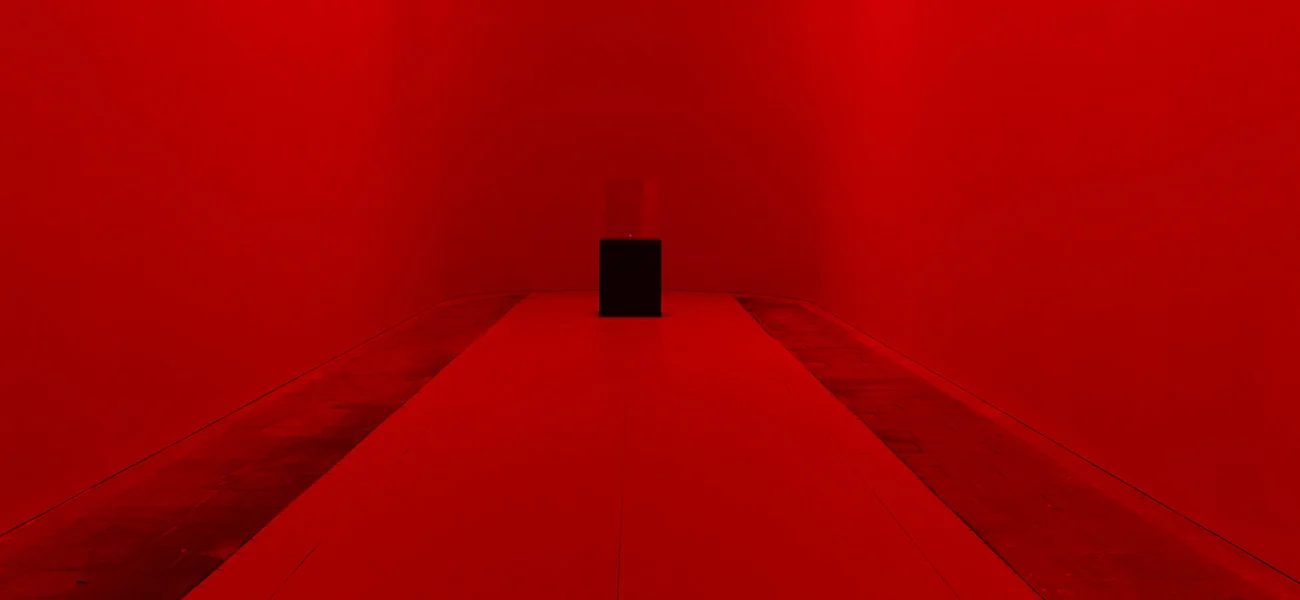
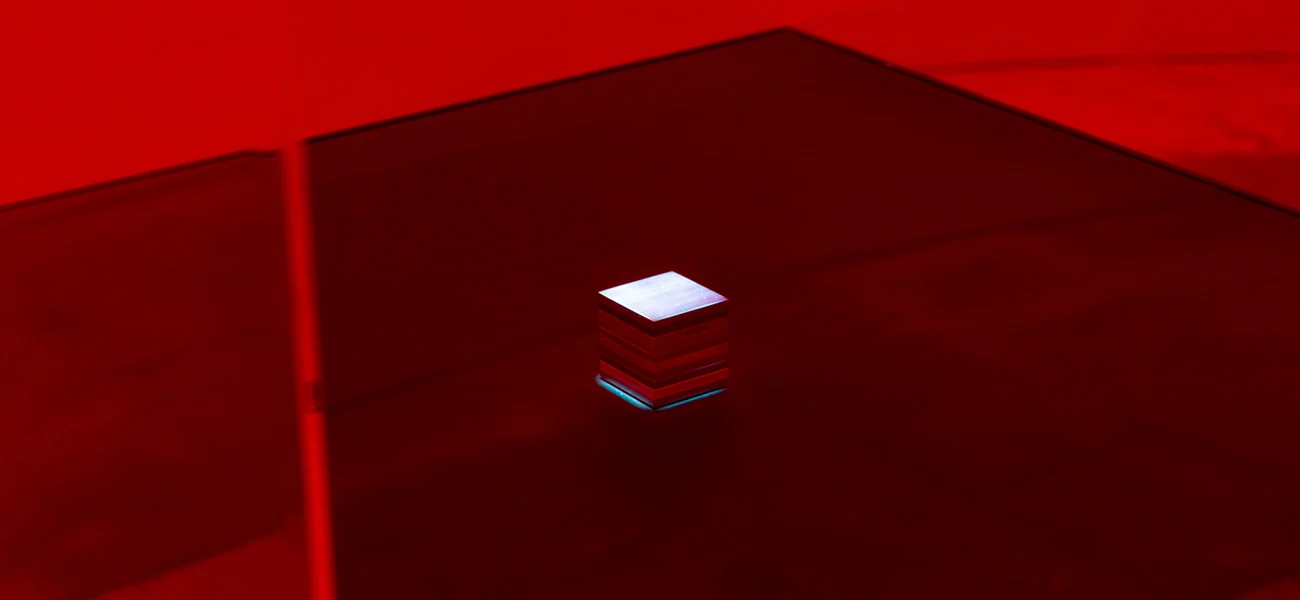
Alfredo Jaar’s The End of the World, 2023–24, is also at the Arsenale. The organizer describes a cube approximately four centimetres square, combining ten critical minerals, including cobalt, copper, tin, nickel, lithium, manganese, coltan, germanium, platinum and rare earths. They connect the small object with extraction, technological systems and geopolitical pressures.
Begin with the difference between the scale of the object and the space in which it appears. A small sculptural form can make an imposing room part of its effect. The materials are not merely a list of expensive substances; the curatorial account connects them with landscapes and human consequences elsewhere. Read that account after allowing the physical contrast to register.
The photographs can show light, pedestal and room, but they cannot substitute for the relation between your body and the tiny form. Resist moving in only to obtain a close-up and then leaving. This is a useful counterpoint to Smith’s multisensory environment: an installation can work through concentration and relative absence as much as through an abundance of images.
Alfredo Jaar
A visual selection for the ArtComburo guide. Photographers and sources are credited below each image.
Laurie Anderson: drawing, language and what is inside a head
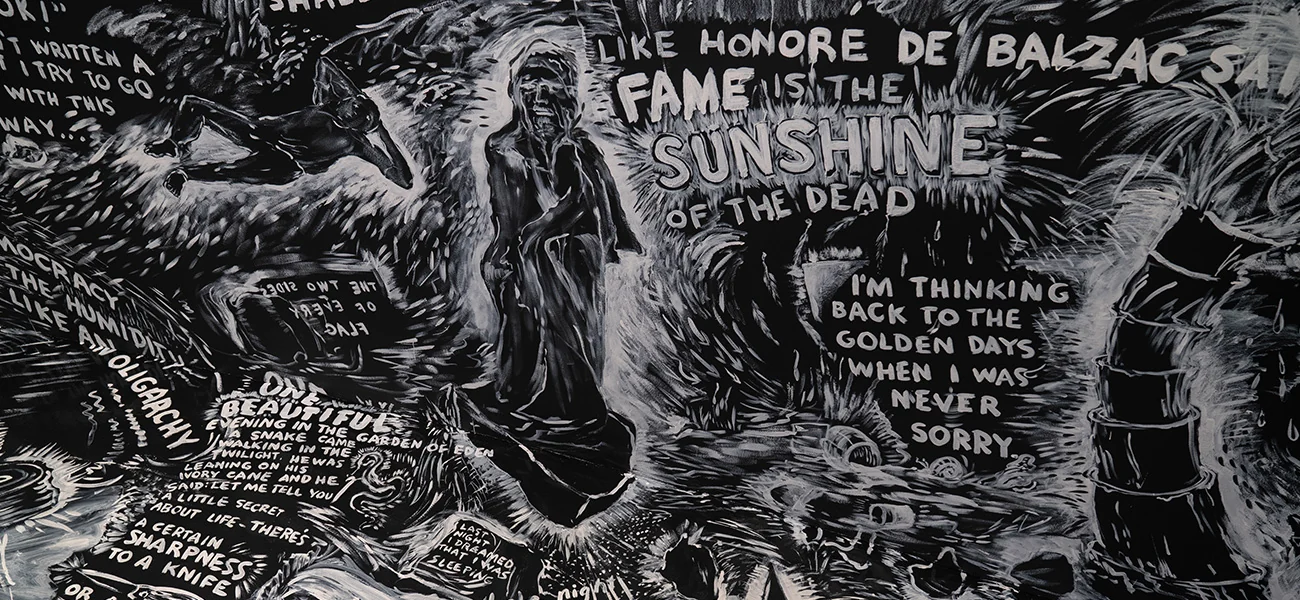
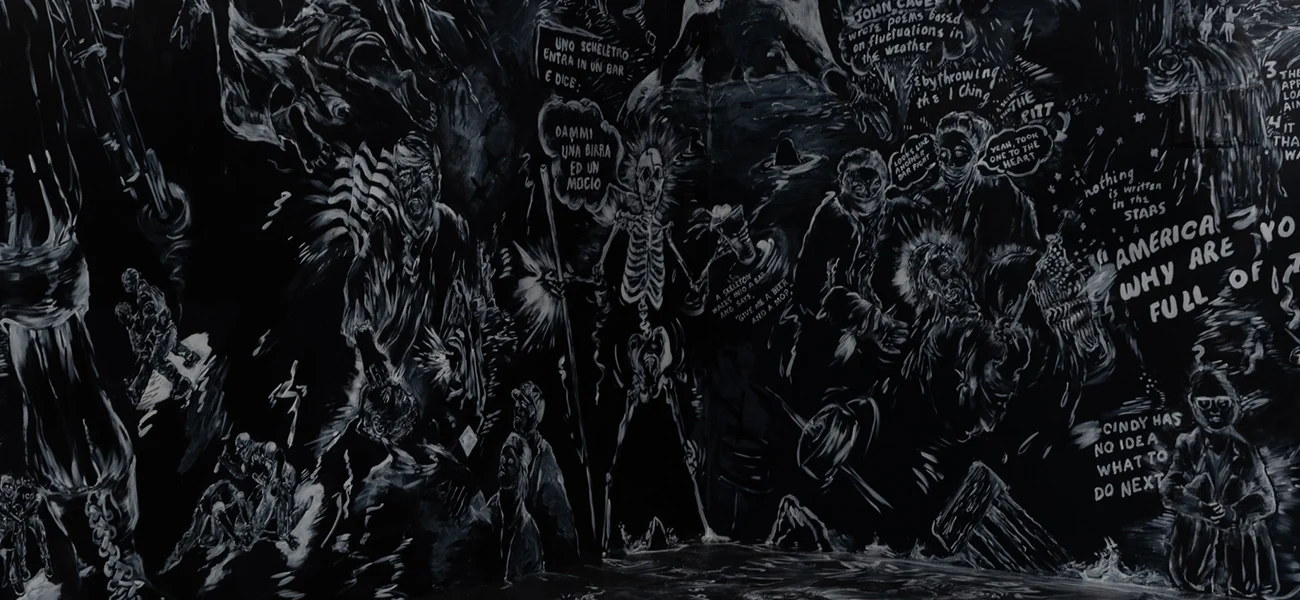
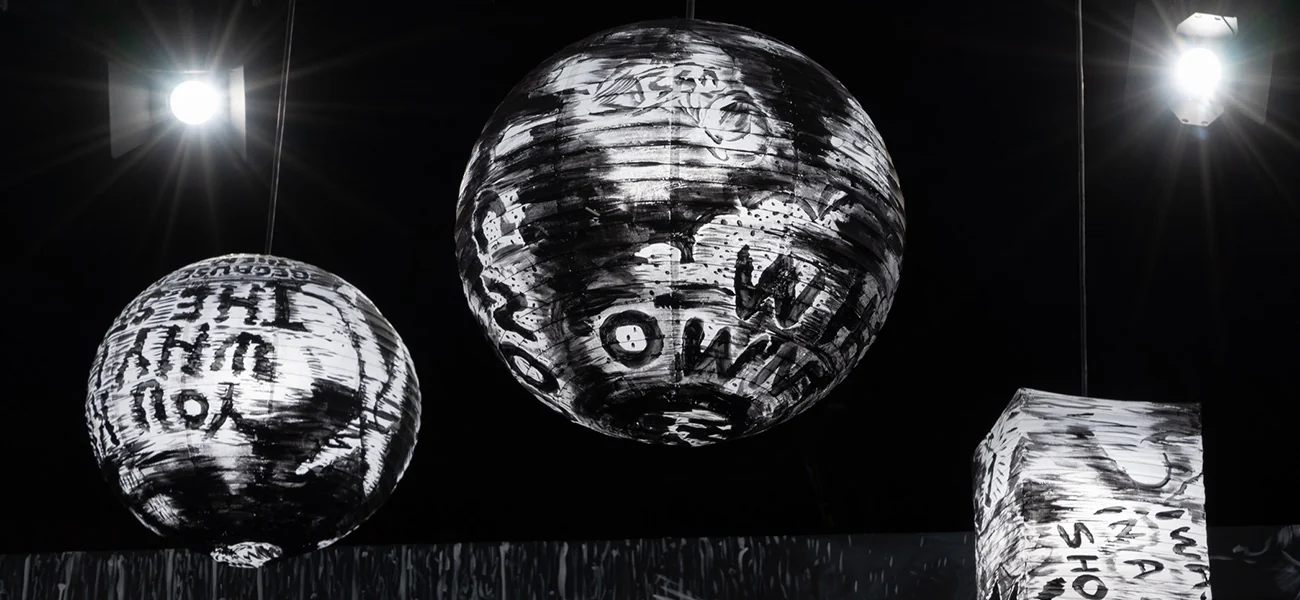
The artist page places Laurie Anderson at the Arsenale; the organizer’s closing programme names the installations Notebook and All In Your Head. The album’s dense black-and-white marks and luminous suspended forms give different relationships between drawing, language, space and the viewer.
Do not expect the encounter to behave like a single framed picture. Notice whether you are reading, following an image or hearing an implied rhythm; then change distance. A detail can occupy your attention differently from the surrounding room. The title does not settle where the experience takes place: on the surface, around you or through the associations you bring.
A separate live event is not the same thing as the installations. The announced final-day performance In This World is scheduled for 22 November 2026 at 16:00, at Tese dei Soppalchi, with a stated duration of 90 minutes. It belongs to the dated 13–22 November programme, not to a permanent schedule. Verify availability and any update before making it the reason for a last-day trip.
Laurie Anderson
A visual selection for the ArtComburo guide. Photographers and sources are credited below each image.
Yto Barrada: Comme Saturne in the French Pavilion
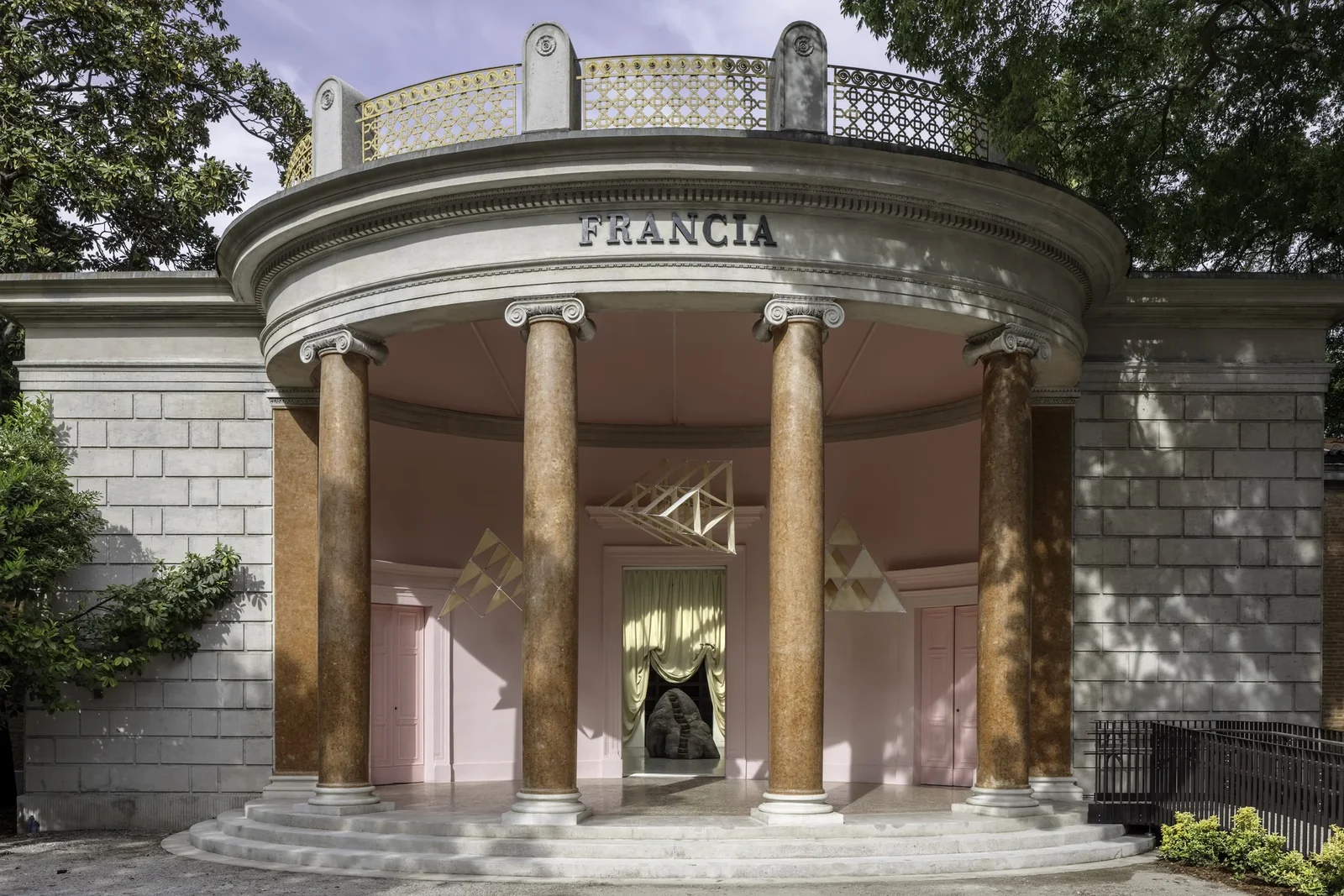
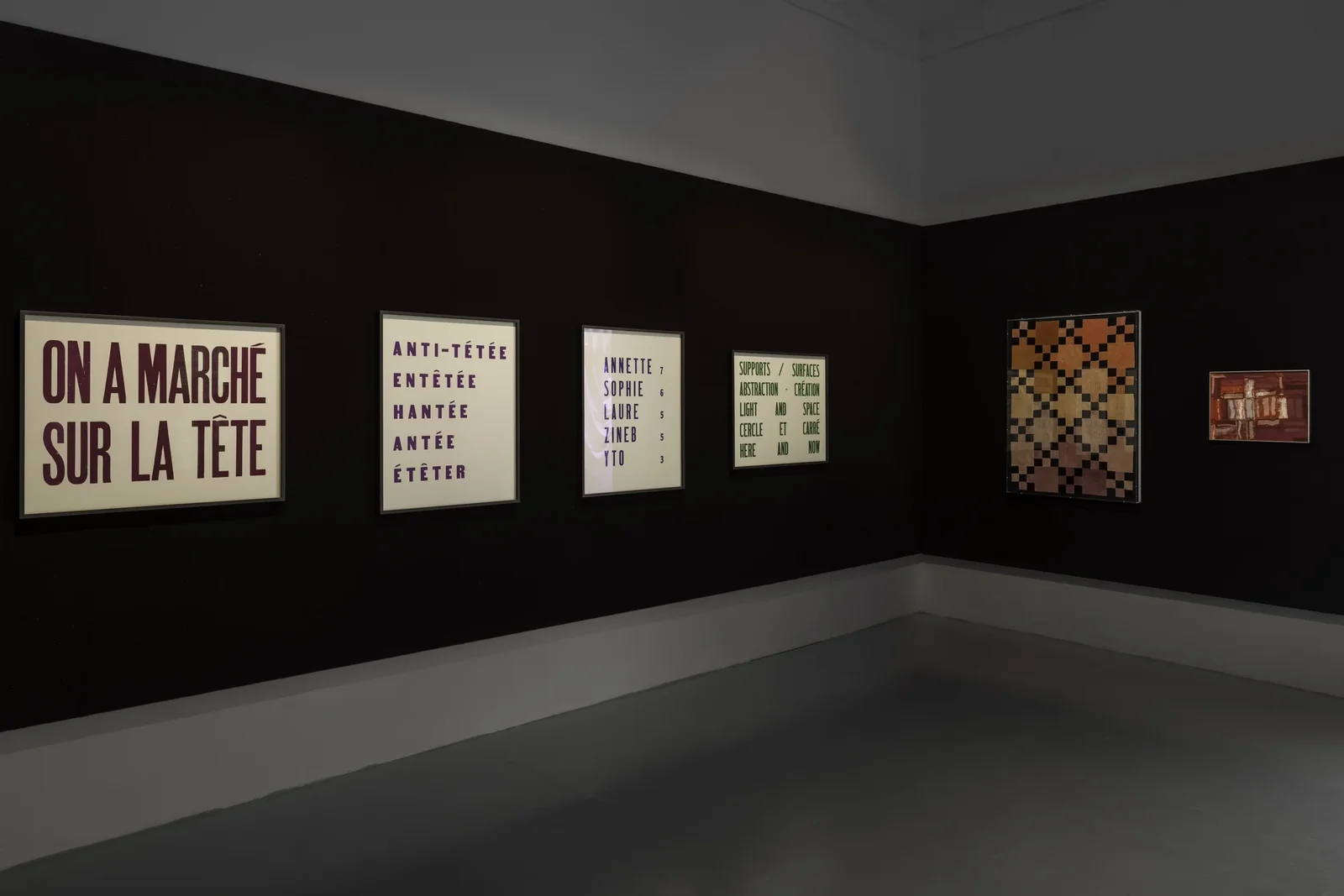
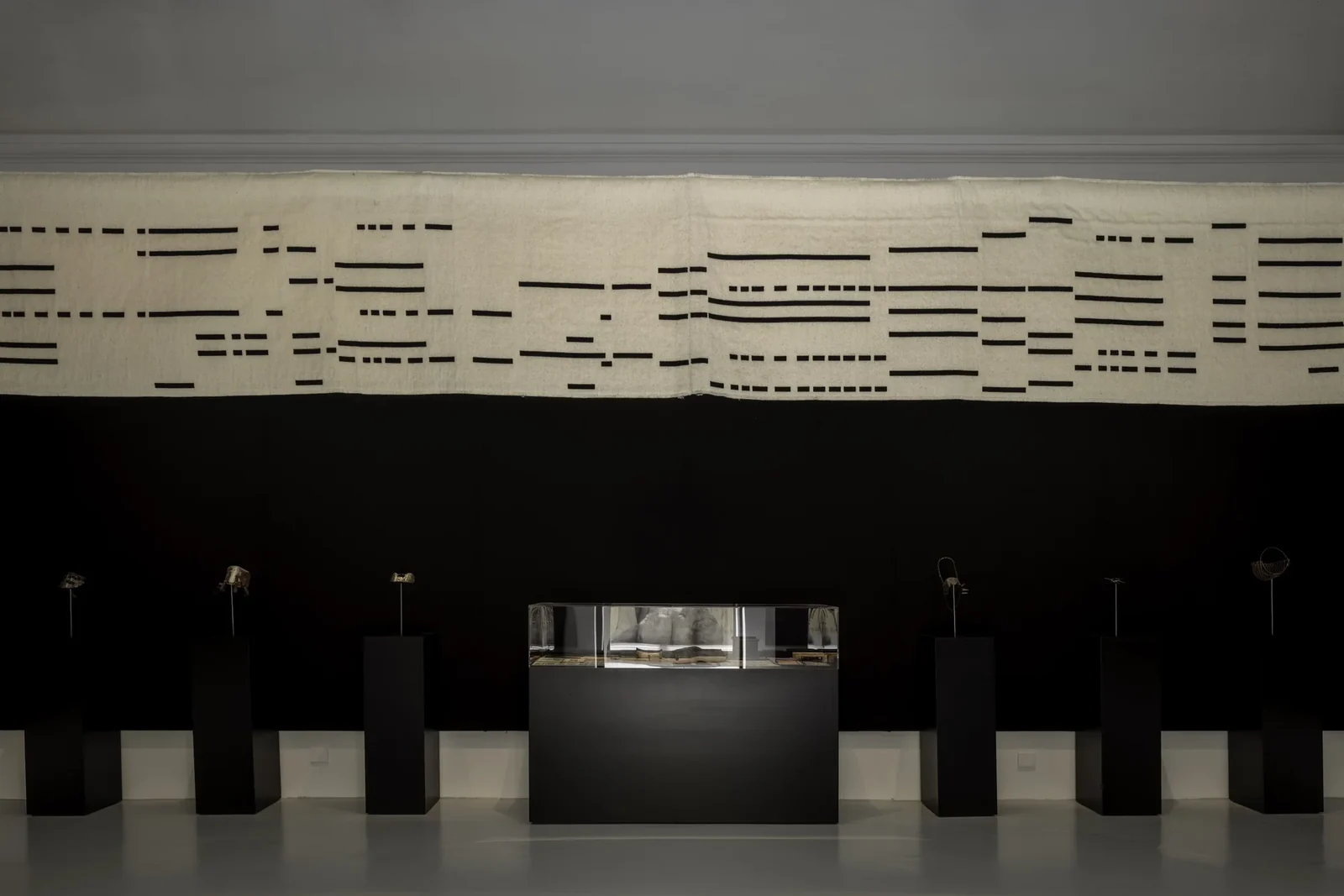
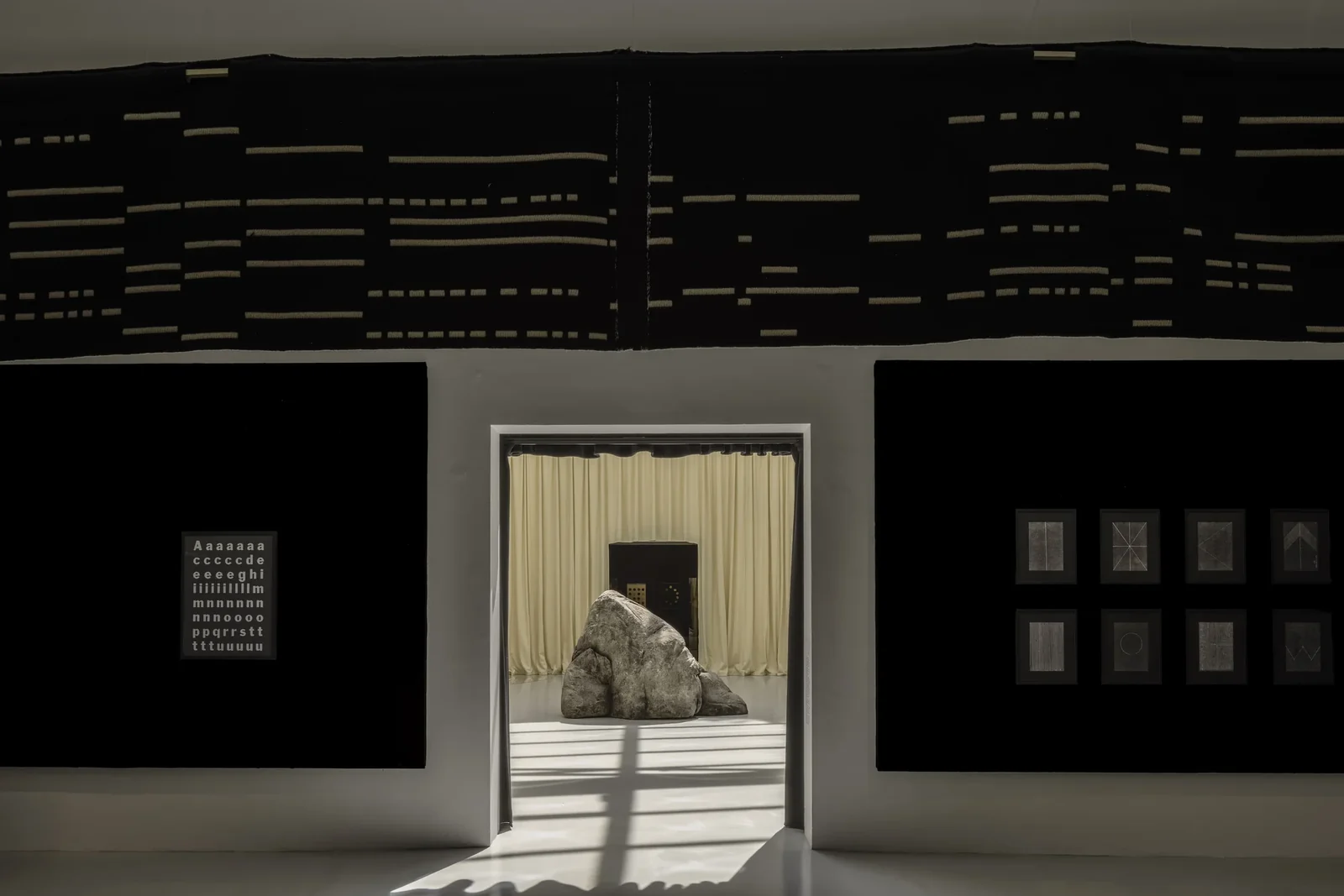
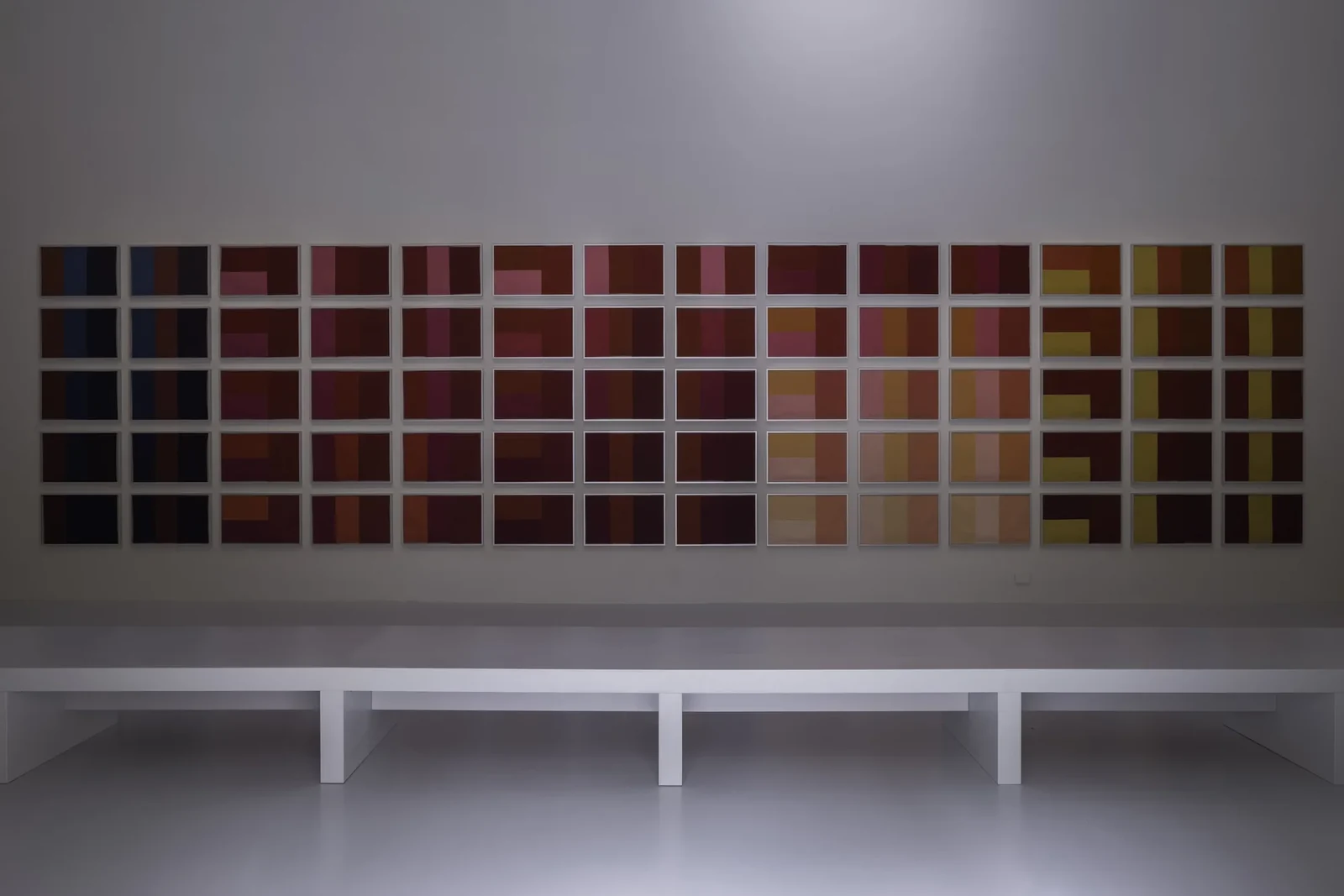
At the Giardini, France’s 2026 participation presents Yto Barrada, curated by Myriam Ben Salah. Comme Saturne develops through environments involving suspended forms, folded wool, weight, repeated actions and the material language of textile work. Its references to Saturn connect making and generation with consumption, exhaustion and interrupted time.
Look at the textile as a process, not only as a colourful surface. The project’s account draws a connection with dévoré, a technique in which material is selectively removed. Absence and erosion can be structural decisions. The relationship between craft, repetition and an exhibition room is more revealing than simply calling the work abstract or decorative.
Pace’s documented pavilion views are credited to Jacopo La Forgia / Institut français. They show different rooms of the 2026 project, not a general image of “French contemporary art.” This is a useful Giardini anchor because it makes the distinction between a national participation and the main exhibition visible through a specific artistic proposal.
Yto Barrada
A visual selection for the ArtComburo guide. Photographers and sources are credited below each image.
One day: choose a site before choosing every artist
If time is limited, a concentrated visit to one principal site is more coherent than promising both in full. For an Arsenale-led 2026 route, choose Smith’s listening environment, Jaar’s material and spatial contrast, and Anderson’s different relation between image, language and perception. Use the actual map and on-site information to determine their physical order; these are priorities, not invented door numbers.
If the Giardini is your priority, combine a block in the Central Pavilion with Barrada’s French Pavilion and one additional national participation from the current map. Avoid treating every country as an obligatory stop. A pavilion with a time-based work can take longer than a large room of objects. Read its real access conditions and decide what to drop if you arrive late.
The ordinary ticket’s second site can be used on another permitted day within the edition. It cannot be carried beyond 22 November 2026 into the architecture exhibition. Nor does it mean you can leave the first site for lunch and repeatedly return. Check the precise product before making a route dependent on that privilege.
Two days: compare without turning the visit into a checklist
Give the first day to the site that contains your main reason for travelling. Keep a pause and time to return to a work before using up that site’s entry. Record artist, title, material and location, rather than collecting photographs without labels. Respect the specific project’s photography rules, particularly for film, performance and other visitors.
On the second day, change the type of attention. An architectural and garden setting can provide a different context from the Arsenale’s long sequence of spaces. Compare how an artwork uses a room, exterior light, distance or a moment of rest. Do not force the two sites into a competition over which has more recognizable names.
Walking or taking a vaporetto requires its own planning. The organizer lists waterbus stops Arsenale, Giardini and Giardini Biennale; actual lines, service and accessibility depend on the day. A Biennale exhibition ticket does not include public transport by assumption. No universal walking time, queue duration or step-free connection is promised here. Save the real gate and check your return journey.
Final-week events and off-site Venice
The 13–22 November public programme requires a valid Biennale Arte ticket, except events at Teatro Piccolo, which are free until capacity is reached. Free entry to that theatre does not admit you to all the exhibition spaces. A scheduled event can also change, so check the organizer’s dated announcement, not a screenshot detached from its year.
An off-site participation or collateral project needs an independent passport: exact venue, dates, opening days, ticket and any reservation. Do not combine projects across the city as though they were neighbouring pavilions. A canal crossing and a timed entry can determine what fits far more strongly than the number of works you hoped to see.
The Venice city guide supplies broader year-round possibilities. After the 2026 closing, choose actual museum or gallery exhibitions from their own calendars instead of assuming that a Biennale installation remains in place. For a future Art edition, wait for the confirmed programme and refresh every ticket, gate and artwork recommendation.
Before setting out
Identify the department and year, confirm whether the edition is still open, and read what your ticket permits at each site. Choose three artistic priorities and leave time for duration, listening and return. The 2026 works show why the Biennale deserves more than a tour of pavilion façades; their value as examples continues after closing, while their availability does not.
A biennale is not a fair catalogue
Look without assuming that every exhibited work is for sale. The international exhibition and national pavilions develop artistic and curatorial propositions, not a single trading hall. A supporting gallery’s name does not establish the availability of a particular museum installation. Information about a collectible version, edition or another work by the artist must be obtained separately and identify the actual object.
Smith’s example makes the distinction clear: a work, its installations in different rooms, a musical release and a photograph of the exhibition are related but different things. A catalogue or shop souvenir is not the original artwork in the room. For someone choosing a print or sculpture, the experience can help place artistic decisions and materials before a discussion of price.
First-visit questions
What if film and sound take longer than expected?
Drop an optional stop rather than reducing every work to a few seconds. A multichannel piece may have no single privileged viewpoint. Read its stated duration and decide whether you can watch attentively. Do not enter a closed session or assume that a cycle begins at your arrival.
Can I make a slower route with breaks?
Choose fewer spaces, keep a buffer and ask about resting places. Discuss specific access requirements with the organizer: historical buildings, temporary partitions and exterior paths can change the practical conditions. A photograph of an empty room does not prove the absence of a queue or access at any moment. Actual arrangements matter more than a promise to fit everything in.
How can I record works without confusing them later?
Keep artist, title, work date, site and participation type together. Note whether an image shows a whole room, detail, screen still or previous installation. For video, a short note about sound and movement can be more useful than many disconnected photographs. It will help you return to the artist after travelling.
Must I visit every national pavilion?
You do not need to turn the day into proof of a completed list. Choose projects through interest and contrast: material, storytelling or architectural decisions. A country’s exhibition does not encompass all its art, and one presentation cannot stand for every tradition. Compare artists’ particular choices while retaining the differences between their curatorial settings.
What remains useful after the 2026 closing?
The documented works, the exhibition’s structure and a method for planning two large sites. Dates, tickets, gates and installations become historical. For another trip, select the active edition and accessible works afresh. An archive can sharpen your questions; it cannot replace a new calendar.
Visit routes
A sequence of stops rather than a geographical map. Open the address-based route for navigation and transfer planning.
2026: one Arsenale day — Smith, Jaar, Anderson
Open route addresses2026: Giardini — Central and French Pavilions
Open route addresses2026: two separate days within the edition
Open route addressesAddresses and practical information
Checked on 20 November 2026
1Giardini della Biennale
Viale Trento 1260, 30122 Venezia, Italy- Opening hours
- 2026 edition through 22 November. Autumn 10:00–18:00, last entry 17:45; historical conditions after closing.
- Tickets
- Ordinary 2026: €30 + €0.50 presale; one entrance to each site, including different non-consecutive days. Closing 21/22 November has date-specific concessions.
- Booking
- Does not mean unlimited return. Multiple-access products and tours separate; refresh all rules for any future edition. The 2026 rules require online purchase and reservation for tickets and guided tours; specific final-weekend ticket-desk exceptions are described below. A tour fee does not automatically include admission.
2Arsenale della Biennale
Campo della Tana 2169/F, 30122 Venezia, Italy- Opening hours
- 2026 edition through 22 November. Autumn 10:00–18:00, last entry 17:45; historical conditions after closing.
- Tickets
- Ordinary 2026: €30 + €0.50 presale; one entrance to each site, including different non-consecutive days. Closing 21/22 November has date-specific concessions.
- Booking
- Does not mean unlimited return. Multiple-access products and tours separate; refresh all rules for any future edition. The 2026 rules require online purchase and reservation for tickets and guided tours; specific final-weekend ticket-desk exceptions are described below. A tour fee does not automatically include admission.
Continue looking at home
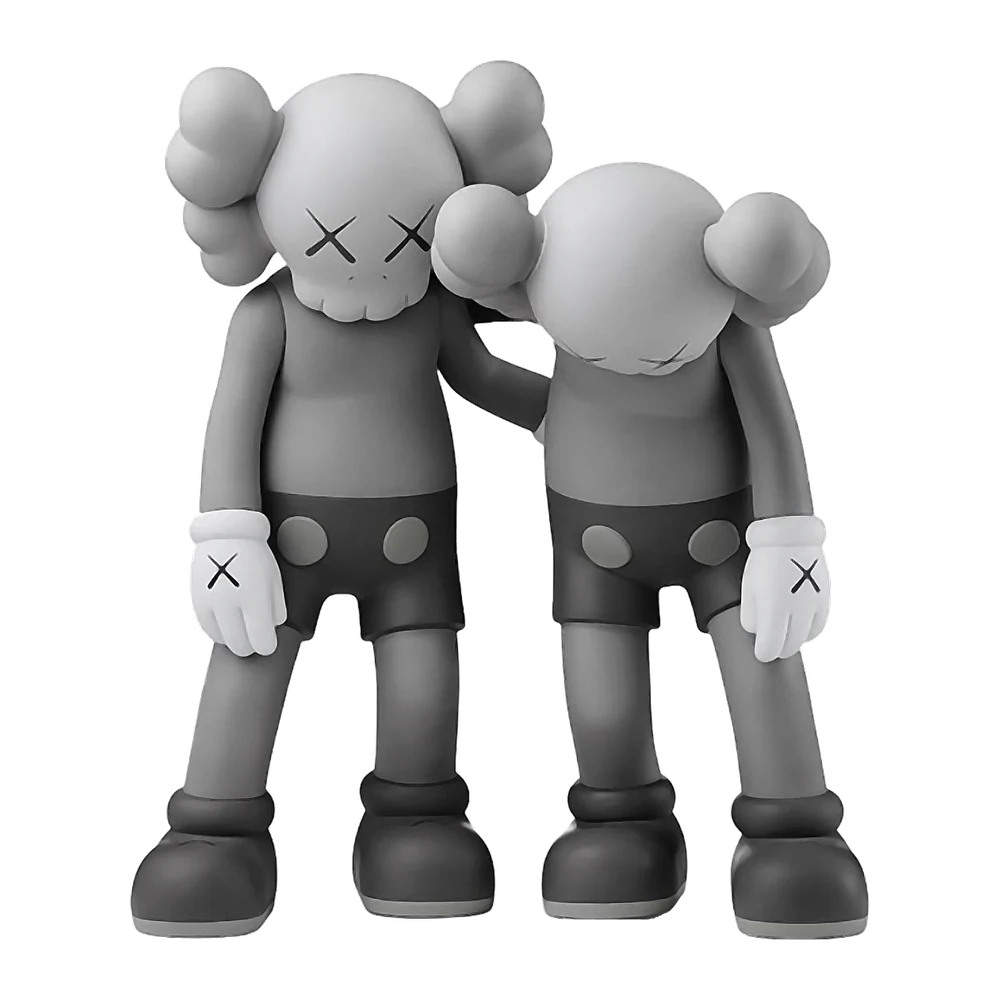
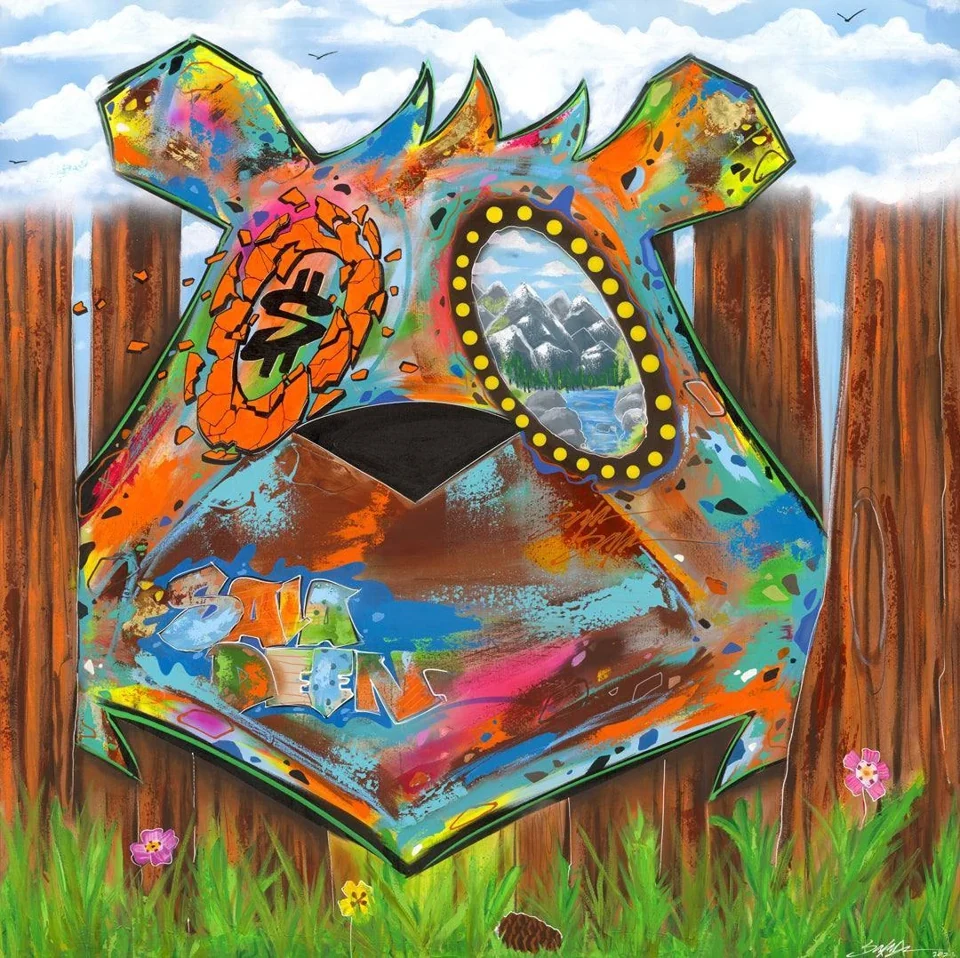
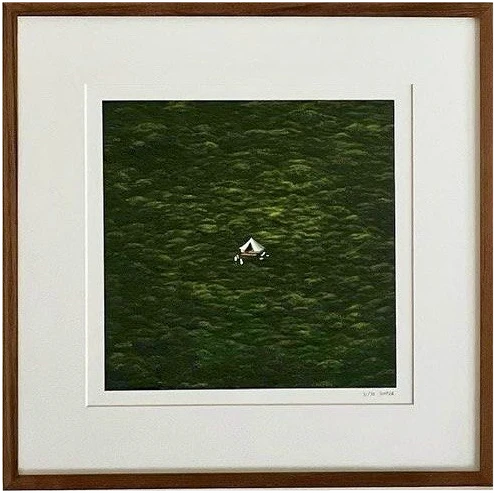
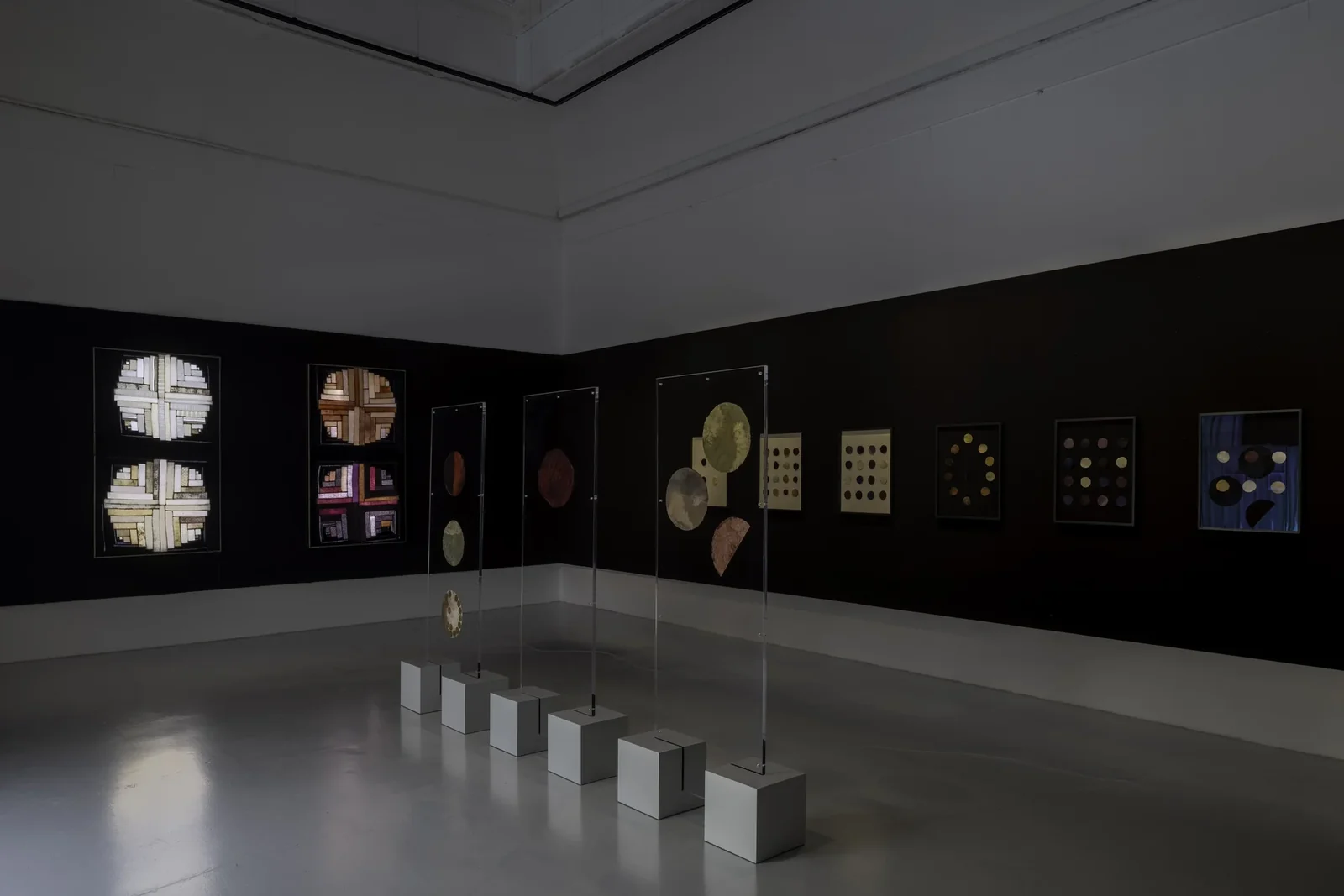
Continue exploring the figure, the image and a sense of space through this independent ArtComburo selection of sculptural characters and artist prints. Read each product page for its exact material and release.