In this article
An editioned work can still be an original
The word “print” covers very different objects. The first question is therefore what you are buying: an original editioned artwork, a later reproduction of a familiar image, or a publisher’s poster. A similar picture does not give these objects the same origin or price.
Sotheby’s describes an original print as a multiple original: the work exists in several impressions. Screenprinting, lithography, etching and other printmaking techniques can be independent forms of artistic practice. Being unique is not a prerequisite for artistic or market value.
But the word limited on the packaging settles nothing. The specific edition, the artist’s involvement, the publisher, technique and documentation matter. The same image can exist in several entirely different editions. Comparing their prices without those details is like valuing different books solely by the title on the cover.
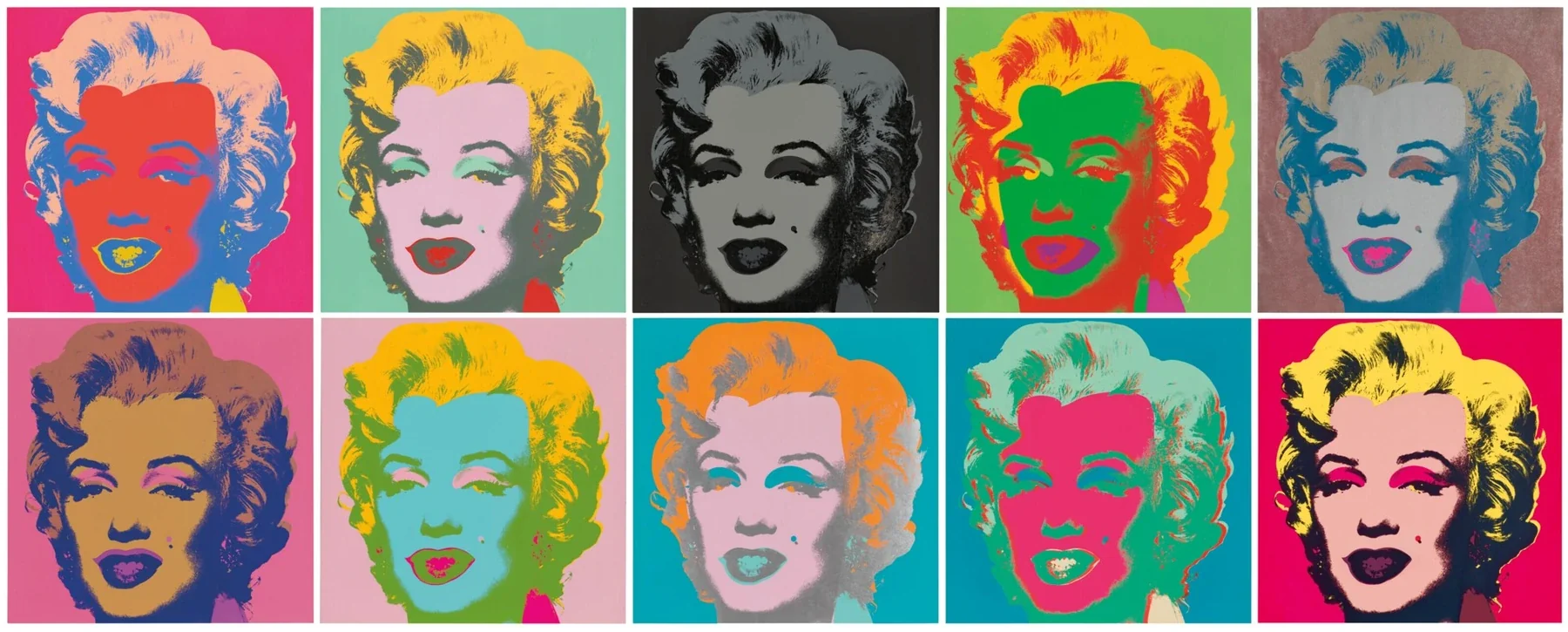
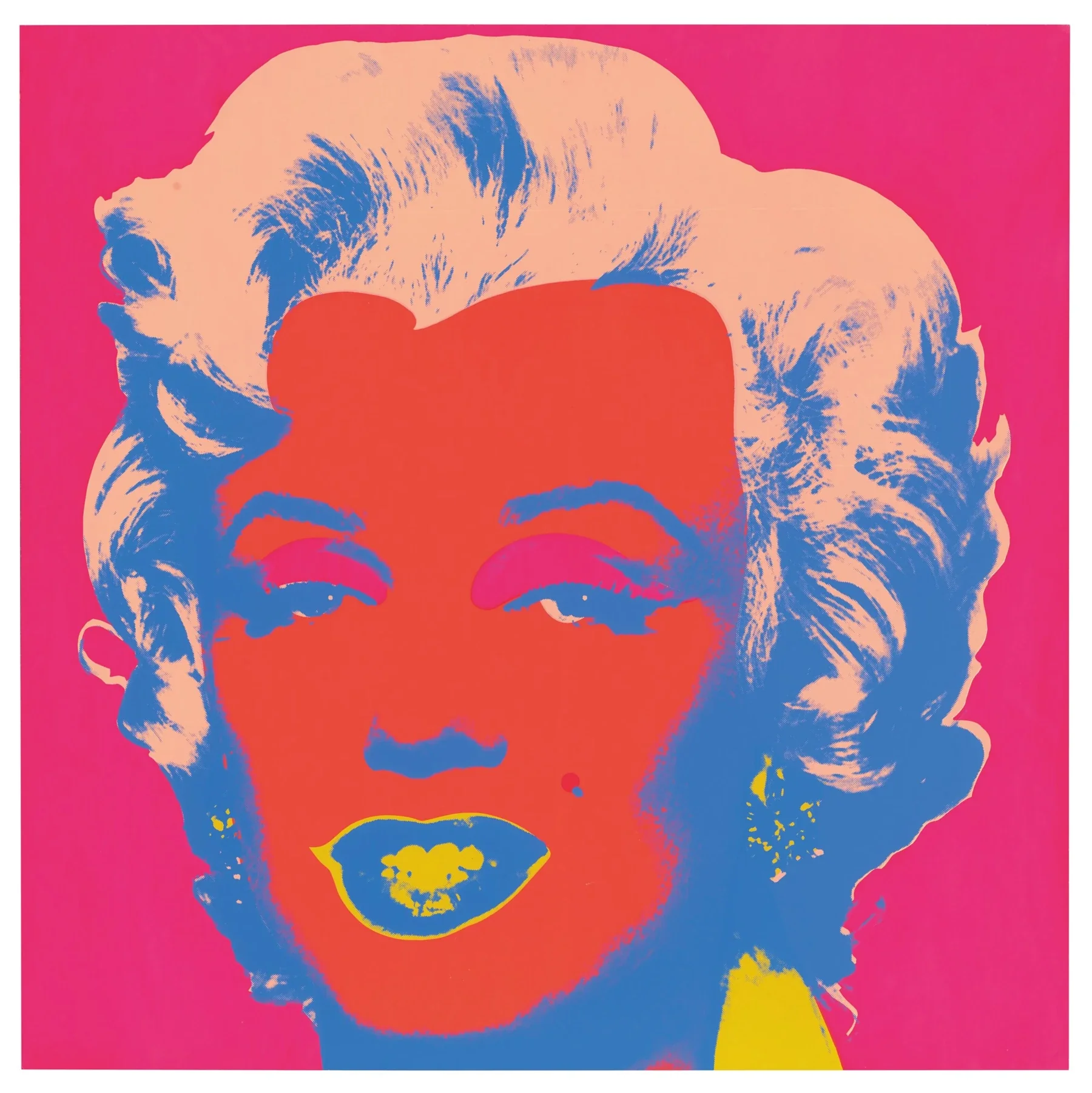
Warhol’s Marilyn: ten prints for $4.98 million
On 13 May 2022 at Christie’s in New York, Marilyn Monroe (Marilyn), 1967, a complete set of ten colour screenprints on paper, achieved $4,980,000. The result is confirmed by the auction house’s official results report.
Two details matter here. The result is in US dollars, not pounds. And ten is the number of sheets in the portfolio sold; it does not mean that only ten impressions of Marilyn existed worldwide.
This example shows why a print cannot automatically be dismissed as an inexpensive substitute for a painting. The market was valuing a specific Warhol edition and a complete set. The portfolio’s price does not mean that each of its ten sheets could individually sell for one tenth of that sum: a complete set has its own characteristics and buyers.
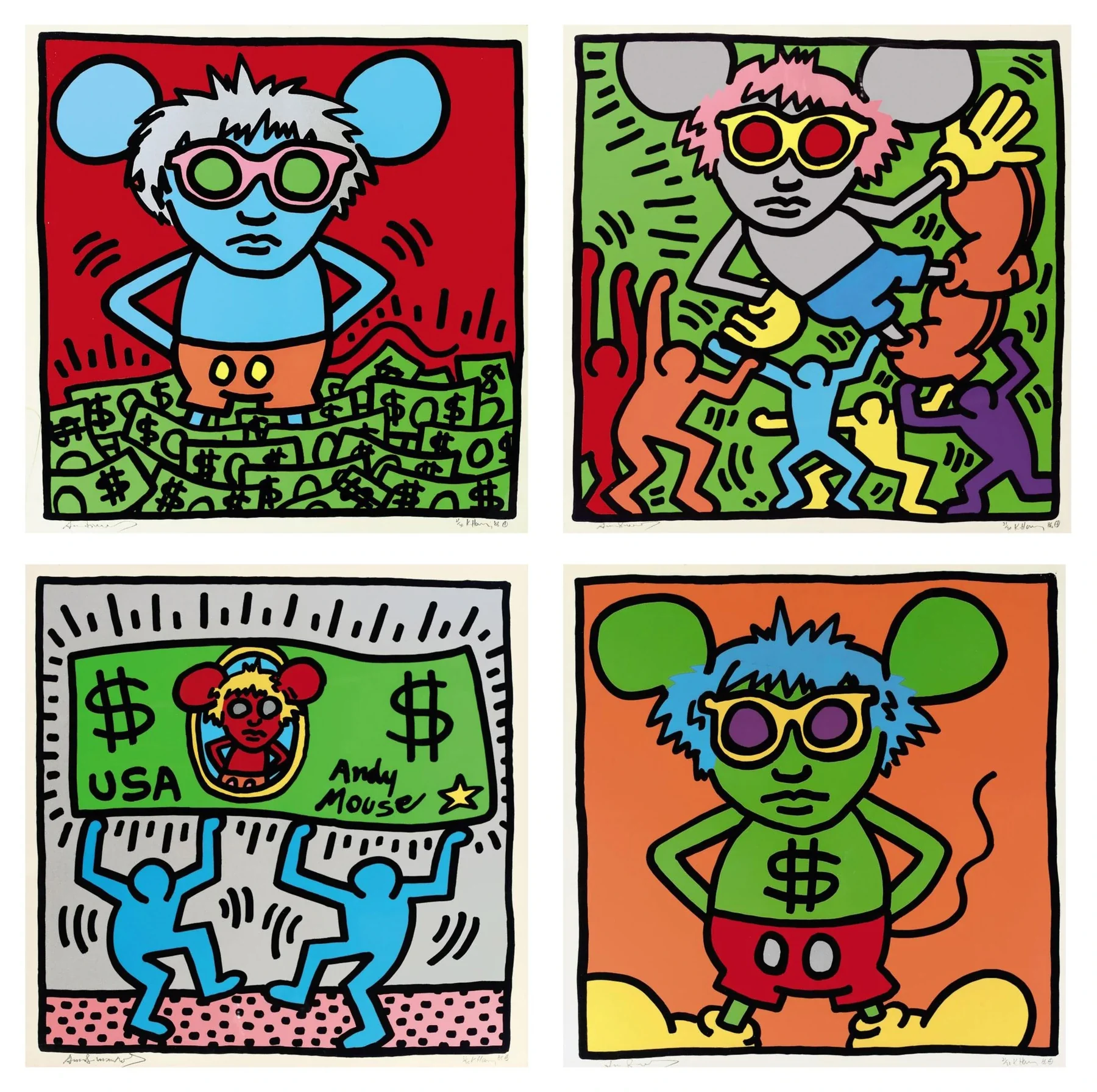
Haring: one Andy Mouse for $325,000
Keith Haring provides an equally striking example involving a single sheet. Andy Mouse, 1986, sold at Heritage Auctions on 22 April 2025 for $325,000. The entry for lot 65048 identifies a screenprint, impression AW 5/5 outside the main edition of 30, signed by Haring and Andy Warhol.
This is a documented print price above $300,000, but it belongs to a precisely identified object. The result cannot be transferred to any work featuring Haring’s familiar figures. Title, technique, year, impression number and type, signatures and ownership history matter.
For investment analysis, those details are not fine print. They determine which sales can meaningfully be compared with the work under consideration. An image search helps identify the subject; the edition record helps identify what you are buying.
The photograph below shows a different object: the Andy Mouse portfolio numbered 21/30 from Christie’s 2010 catalogue. It illustrates the series rather than the individual AW 5/5 impression in the Heritage sale discussed here.
An auction result is a reference, not a promise of the next price
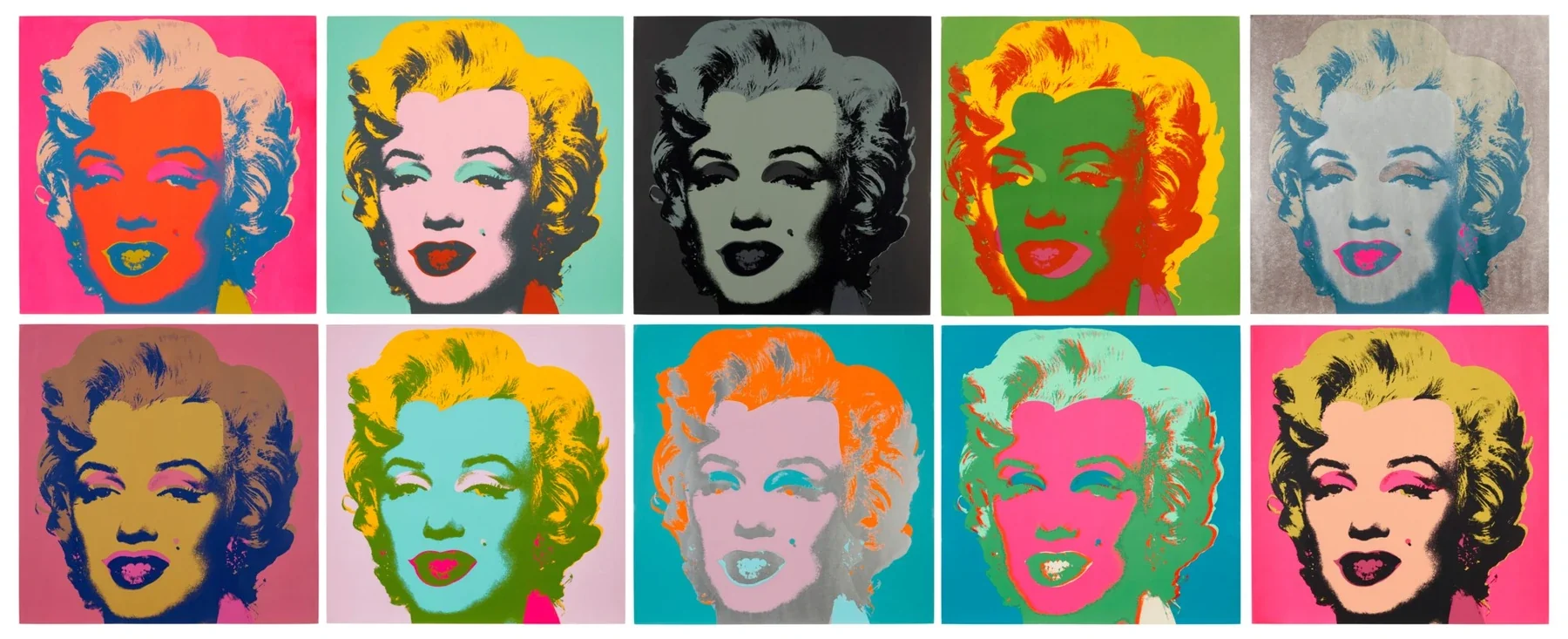
In May 2024, a different Marilyn Monroe (Marilyn) portfolio at Christie’s achieved $3,680,000, as recorded in the official sale review dated 17 May.
This was not a resale of the same example, so the two sums cannot honestly be used to calculate its owner’s return. They do, however, show why one headline result cannot support a price promise. Even within a famous title, the particular contents and condition, provenance, date and circumstances of the sale need examining.
When buying a print as an asset, gather several comparable completed sales. An asking price expresses the seller’s wishes. An auction estimate is a reference before bidding. A realised result records a completed transaction. These are three different kinds of data.
All amounts quoted are auction houses’ published results, rather than verified net proceeds received by sellers.
What an edition tells you, and what AP means
A number such as 25/150 identifies an impression within the stated edition. It is not a quality ranking: a lower number does not by itself make the work better. Separately designated artist’s, printer’s and other proofs may exist alongside the main edition.
Sotheby’s guide to edition types considers the edition together with technique, signature, condition and the work’s place in the artist’s practice. For a buyer, that matters more than the simple formula “the smaller the edition, the higher the price”.
| Marking | What it usually means | What to check |
|---|---|---|
| 25/150 | Impression number within the main edition | The edition’s full composition and additional issues |
| AP / EA | Artist’s proof / épreuve d’artiste | How many such proofs were authorised |
| PP | Printer’s proof | Publisher, workshop and documentation |
| HC | Hors commerce, an impression outside the usual commercial part of the edition | Provenance and the basis for this marking |
| BAT | Bon à tirer, the approved printing reference | Evidence of this particular sheet’s role |
These markings describe an impression’s place within an edition. They do not confer an automatic price premium or replace authentication. Check the particular edition’s structure against a catalogue raisonné, the publisher and documented examples.
Artist’s and printer’s proof designations need to be read in the context of the specific edition.
Why two prints by the same artist have different prices
The first factor is the work itself. The importance of a subject and series within an artist’s practice does not always match the image’s popularity online. Next comes the particular edition: technique, scale of the project, edition size and the nature of the release.
Condition is especially important because comparable impressions may be available. Fading, trimmed margins, adhesive traces, paper damage and restoration change the comparison. A frame can conceal the edges, so a substantial purchase calls for a condition report and photographs showing the complete sheet.
Provenance is another factor. A receipt from an established seller, publisher information, exhibition history and a continuous ownership record help identify the work. An attractive certificate of unknown origin does not answer these questions on its own.
A set assembled from unrelated sheets should not automatically be valued as a documented intact portfolio. Check numbers, contents, the cover or folder, publication details and the features described by the auction house. The object should be as intelligible to its next buyer as to its present one.
Tate’s limited-edition buying guide also discusses documentation and careful framing.
How to approach buying a print as an investment
An investment approach starts with a particular object and its acquisition price. It combines artistic assessment with practical questions: does this edition have a documented secondary market, what have comparable examples sold for, and who might eventually buy your sheet?
This is a distinct way to own art: you keep the work, enjoy it and follow its market history. Collecting and investment motives can coexist. But a famous name and a small edition do not make every print a sound financial purchase.
Before paying, articulate your reason for choosing it. For example: an important series, a documented impression, clear condition and a price consistent with comparable sales. “A similar print once cost millions” is too broad a basis.
Finally, consider the exit. An artwork has no continuously quoted exchange price or guaranteed buyer tomorrow. Galleries, auctions and private sales offer different timescales and terms. If those terms are unknown, a calculation of potential profit remains incomplete.
Count the full cost of ownership
At auction, the bid may differ from the final invoice. Buyer’s premium, applicable taxes, shipping, insurance and framing need separate consideration. Selling may involve commissions and other contractual charges. Check the rates for the chosen platform and transaction: they can change.
A hypothetical example, not an auction tariff: a sheet costs 1,000 currency units, with another 350 in acquisition and framing costs. It later sells for 1,500, but selling costs are 150, leaving the owner 1,350. The sale price exceeds the original price of the sheet, yet profit before other expenses and taxes is zero.
Distinguish the public auction result, the sum paid by the buyer and the seller’s net proceeds. An increase in the headline price does not establish the return on ownership. The same applies to currency: compare amounts in one currency or explain separately how, and at what date, they were converted.
The structure of buyer costs at Christie’s shows why the terms of the particular transaction matter. Current rates do not establish the composition of historical 2022 or 2024 results.
Murakami: assess the specific edition, not just the familiar flower
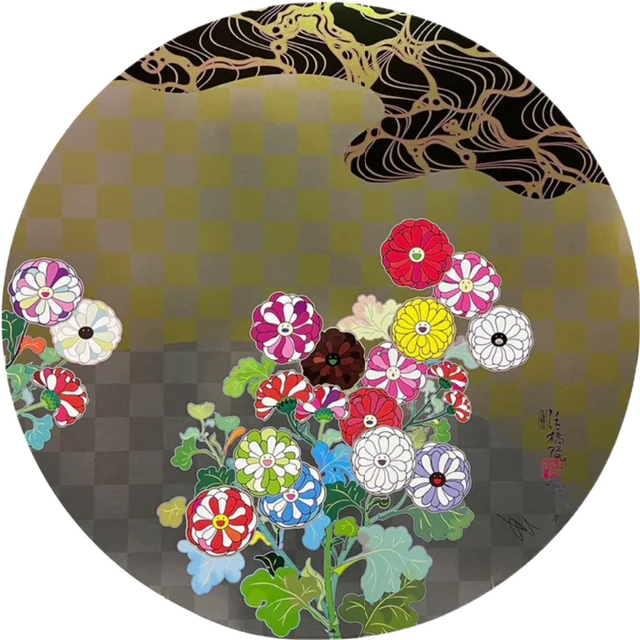
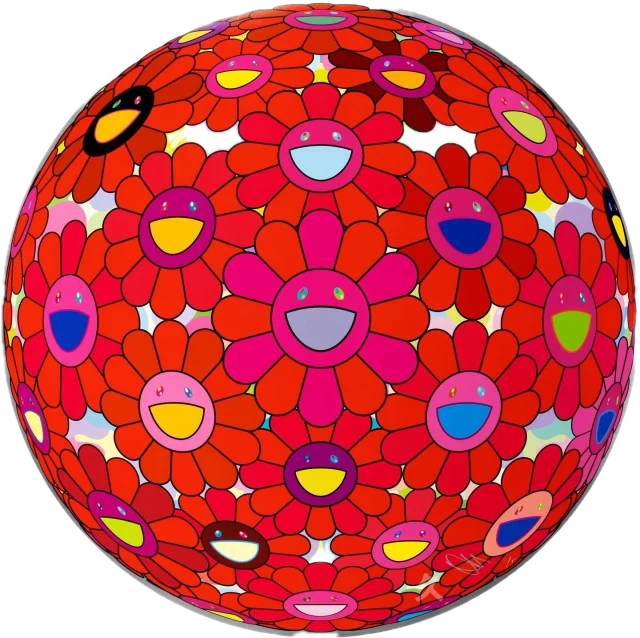
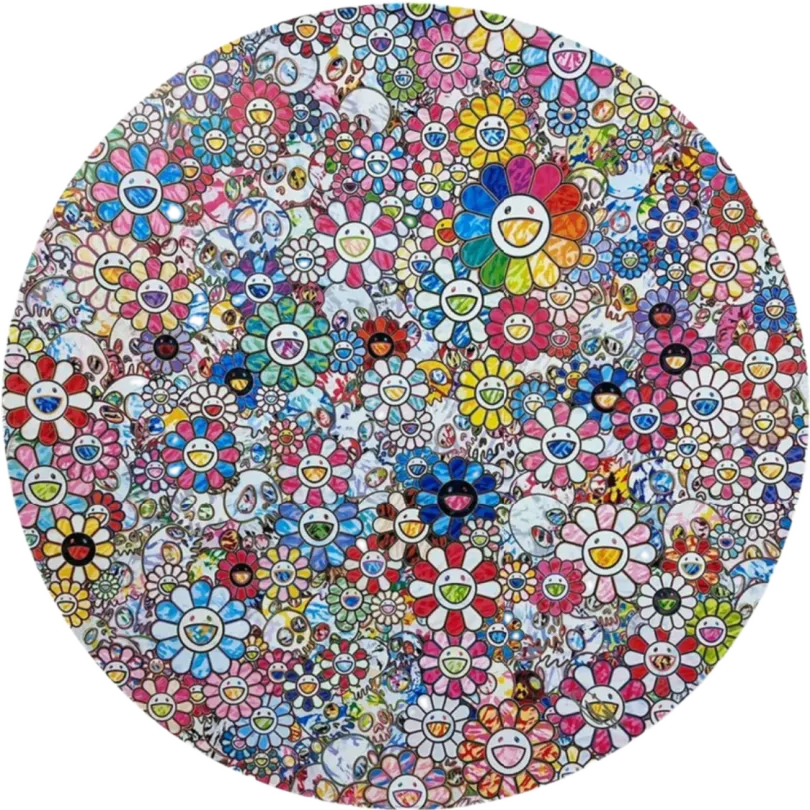
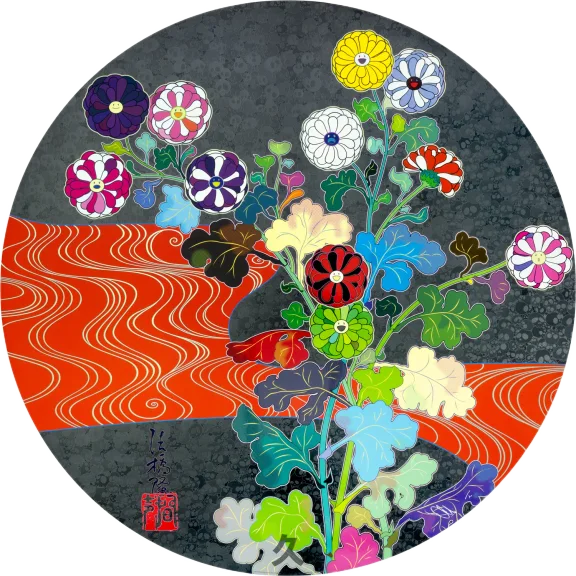
Takashi Murakami offers another entry into original editions. But familiar flowers and colourful spheres appear in different objects. A print, poster, cushion and sculpture are different formats; the market history of one cannot be transferred to another.
For the sheet you are considering, check the complete title, year, technique, size, signature, number and publisher. Compare it with the same edition, rather than any work by the artist with Flower in its name.
For example, Christie’s catalogue entry for Red Flower Ball (3-D) describes a 2012 screenprint with silver foil, edition 50. SBI catalogues other Flower Ball works as offset prints with cold stamp, edition 300. These are different editions; a shared flower motif does not make them direct price comparables.
Four works from our catalogue
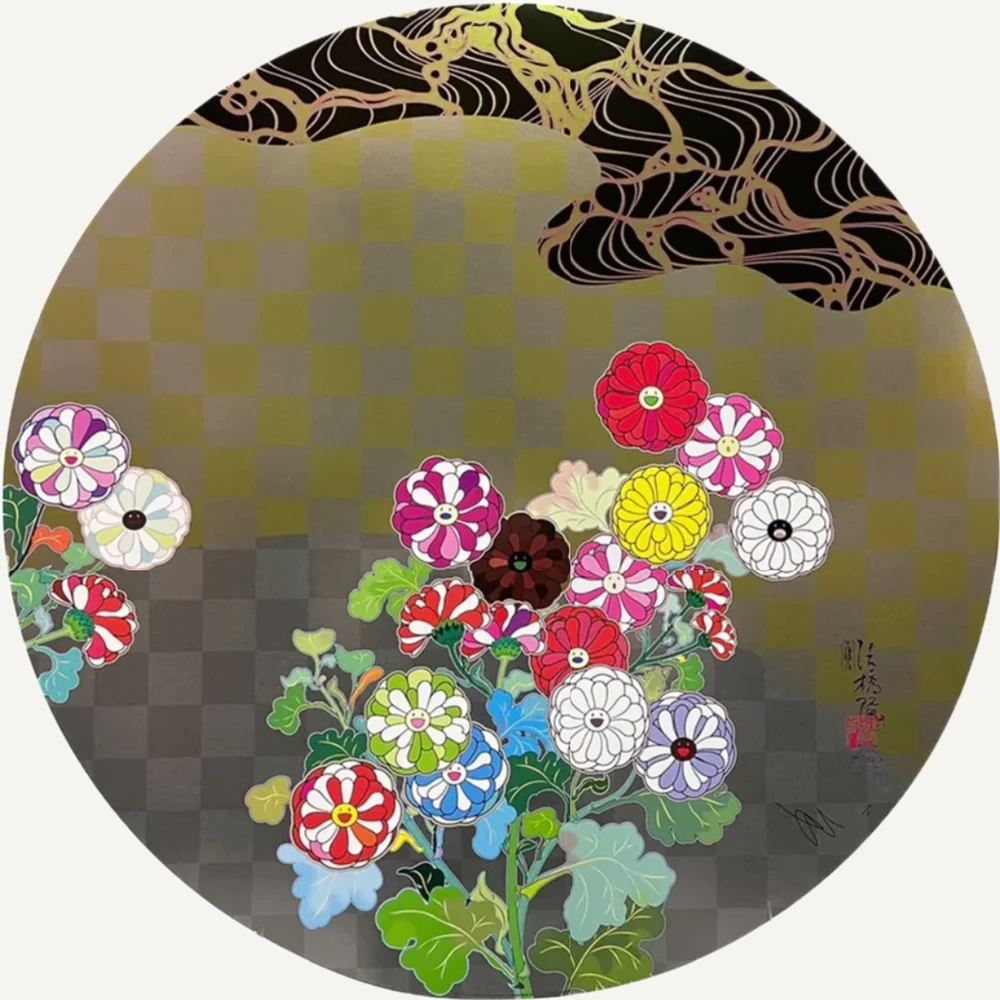
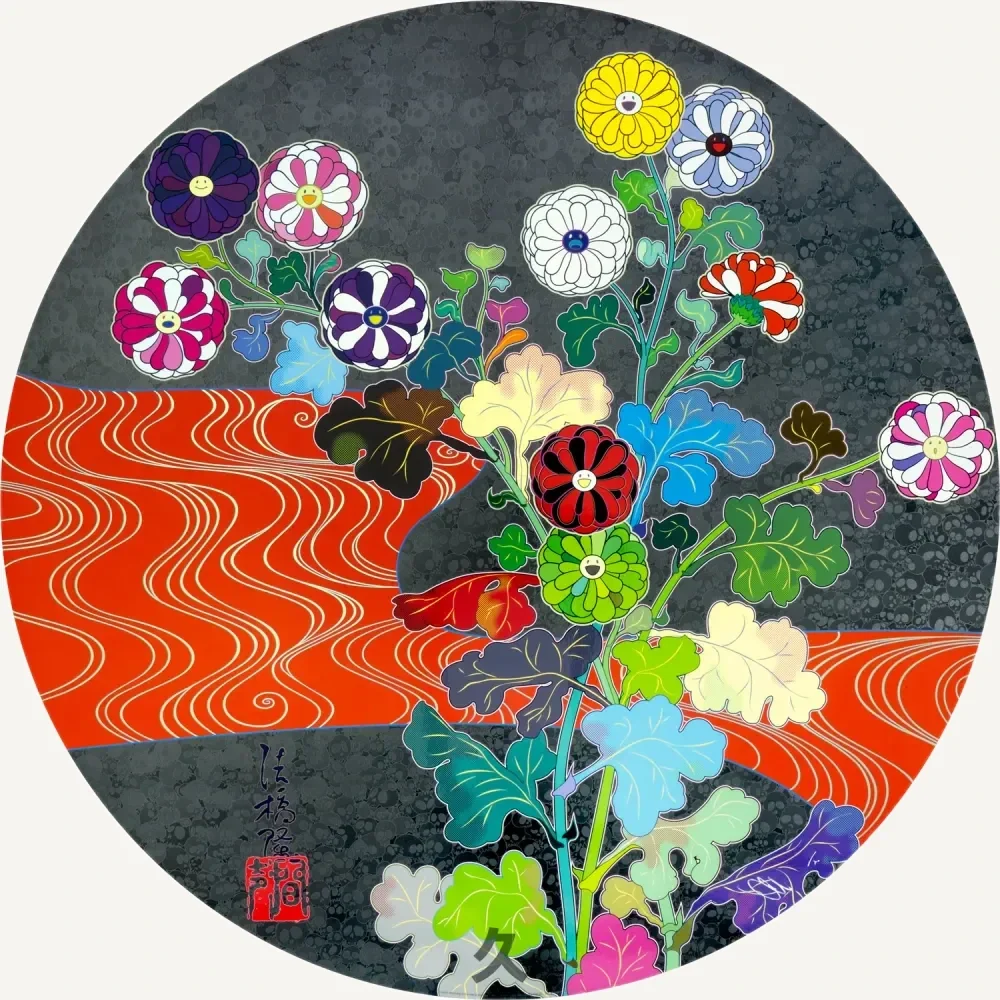
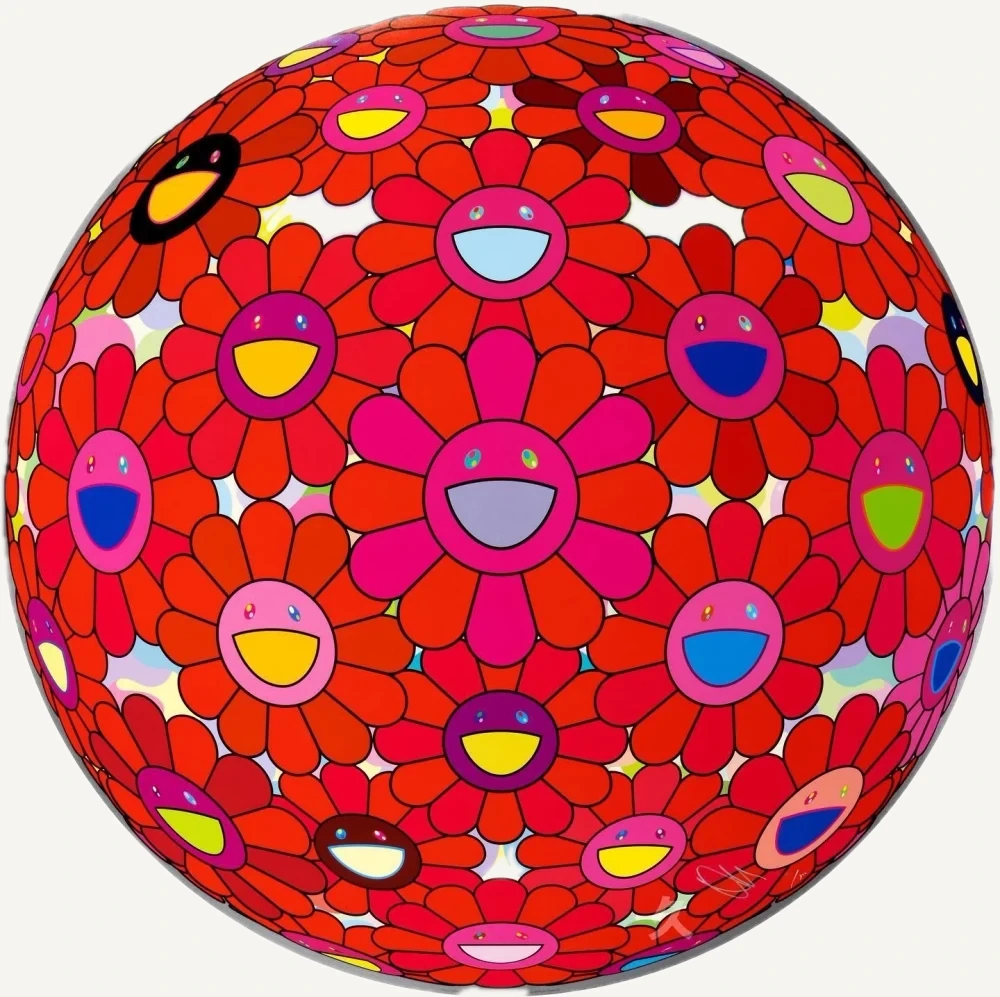
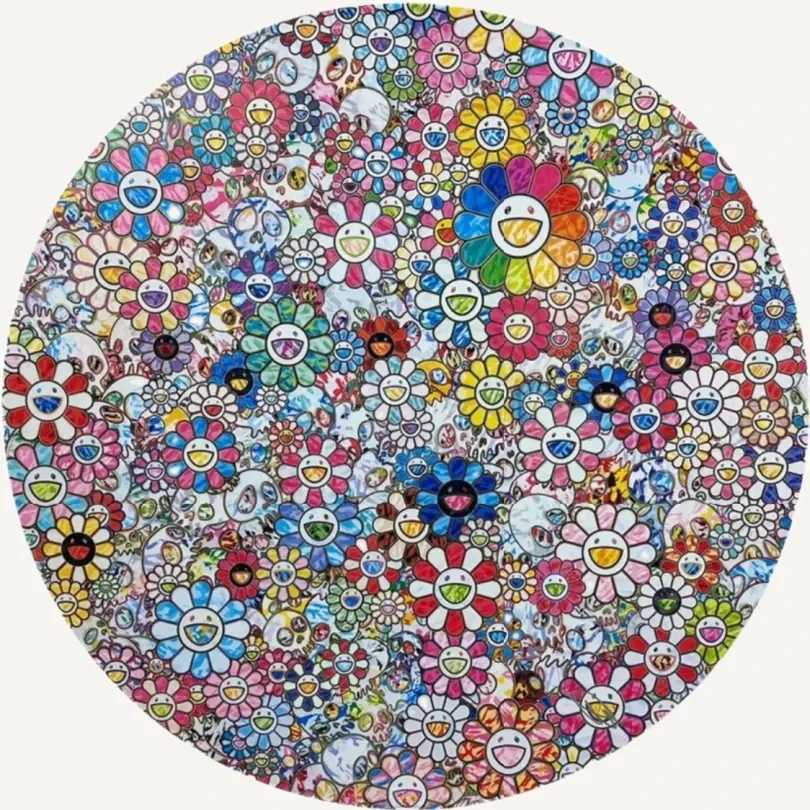
What to request before buying
Ask for the title and year, technique, sheet and image dimensions, impression number and details of the full edition. Then request photographs of the signature, numbering, margins and reverse, provenance documents and a detailed condition description.
Compare those details with a reliable catalogue or a documented entry for the same edition. Establish who published and printed the work, and whether it is a later reissue or reproduction. If the price is significant for your budget, an independent specialist in that artist can help test the basis of the valuation.
A limited-edition print can combine art ownership with investment interest. A convincing purchase rests on an identifiable work, a verified impression, the acquisition price and costs. That is where a fact-based discussion of investment begins.
Explore prints at ArtComBuro
Our catalogue includes four works by Takashi Murakami to explore:
- Korin Flower and Water
- Flower Blooming in the Isle of the Dead
- Let Us Devote Our Hearts
- Paradise in a Flower Field
Explore works in our prints section and Takashi Murakami collection. On each artwork’s page, check its own description and photographs.