In this article
What a numbered Series actually means
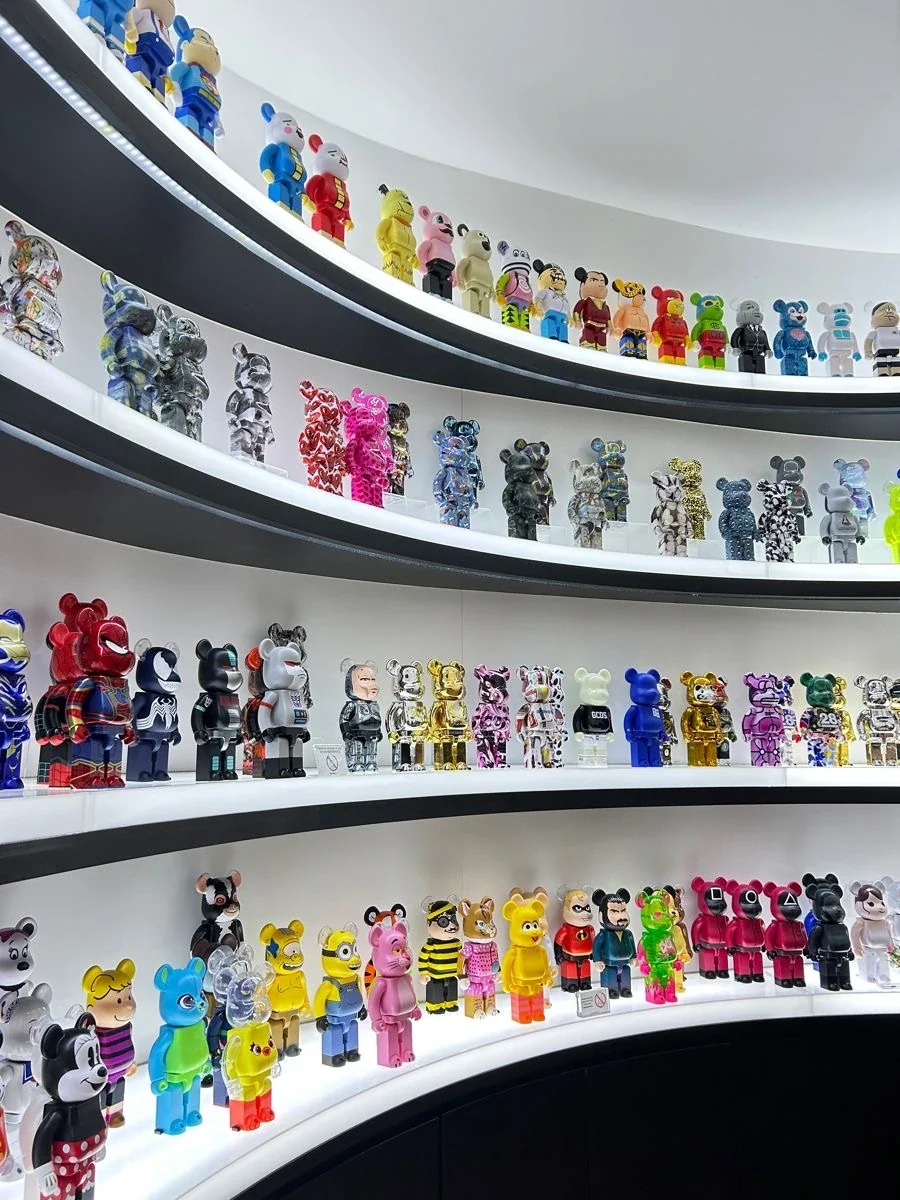
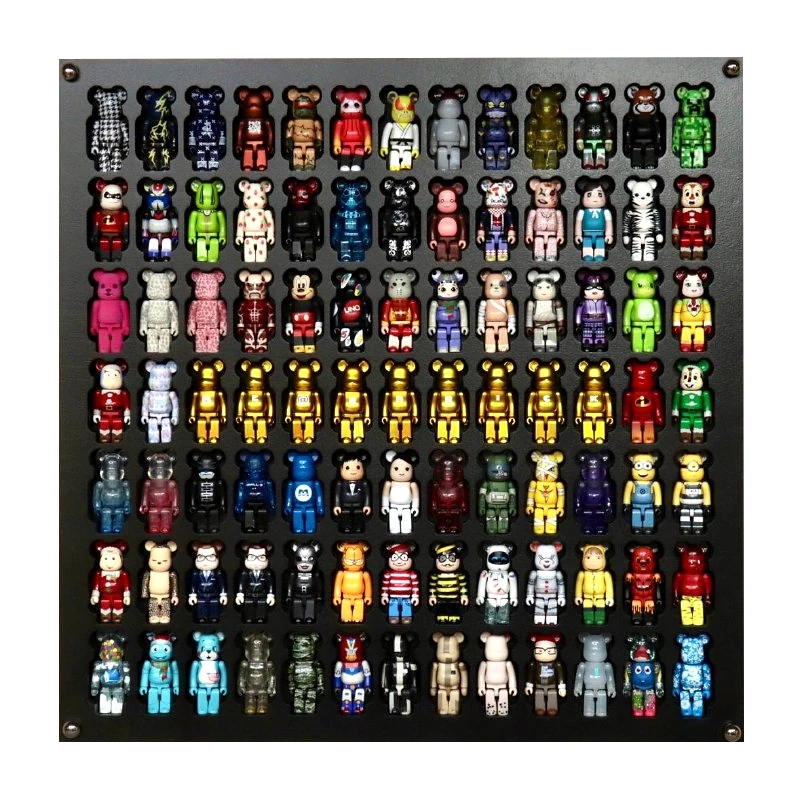
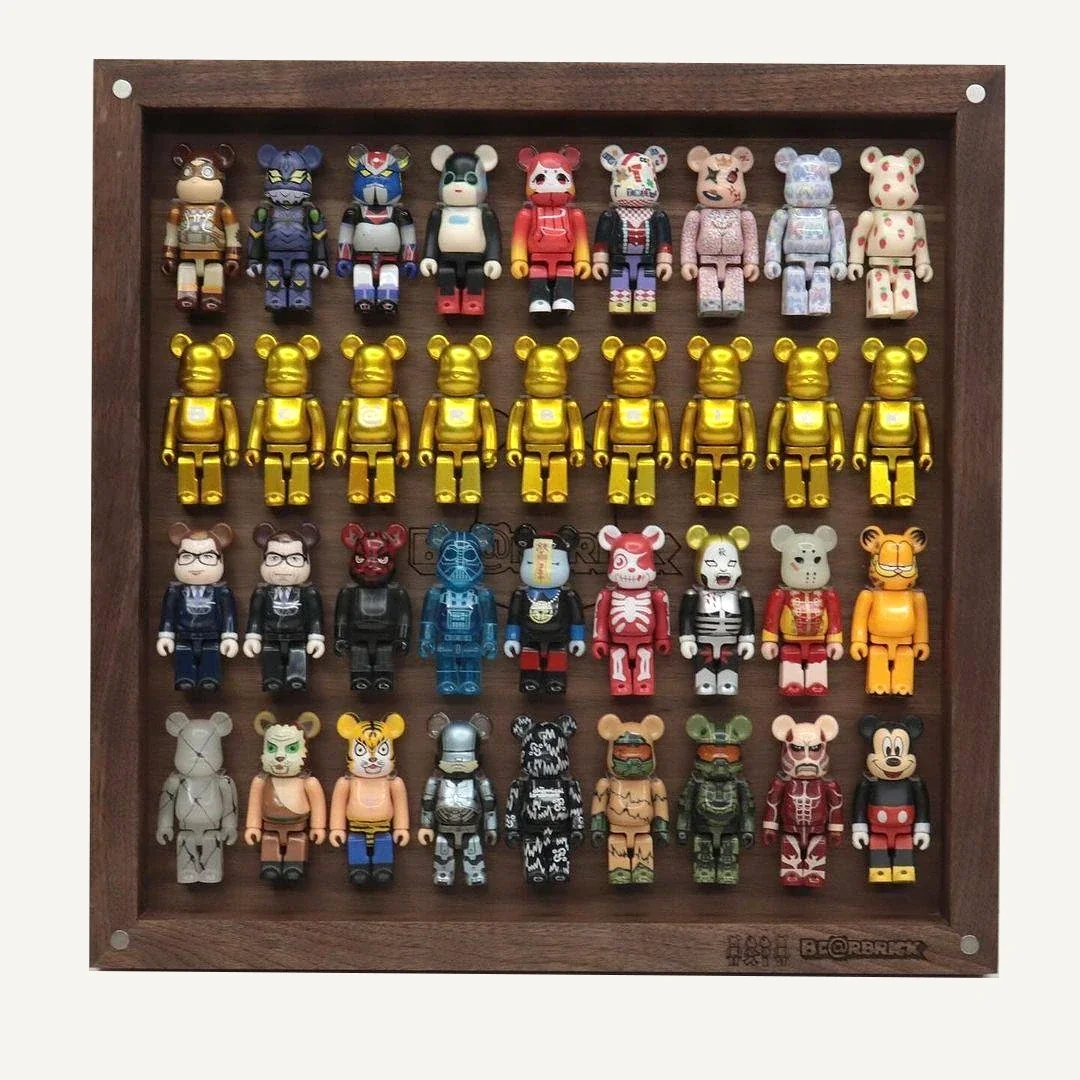
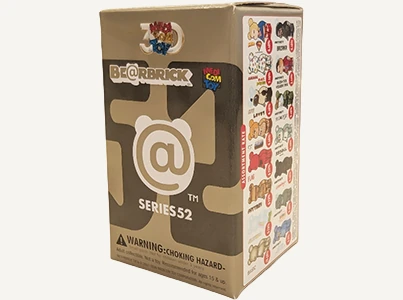
A shelf of BE@RBRICK figures from different years can look like one enormous collection. Series has a more specific meaning: a numbered release with its own assortment of small figures. Lettered bears, characters, brand designs and hidden variations can appear within the same release. The number identifies the catalogue, rather than the size or value of a figure.
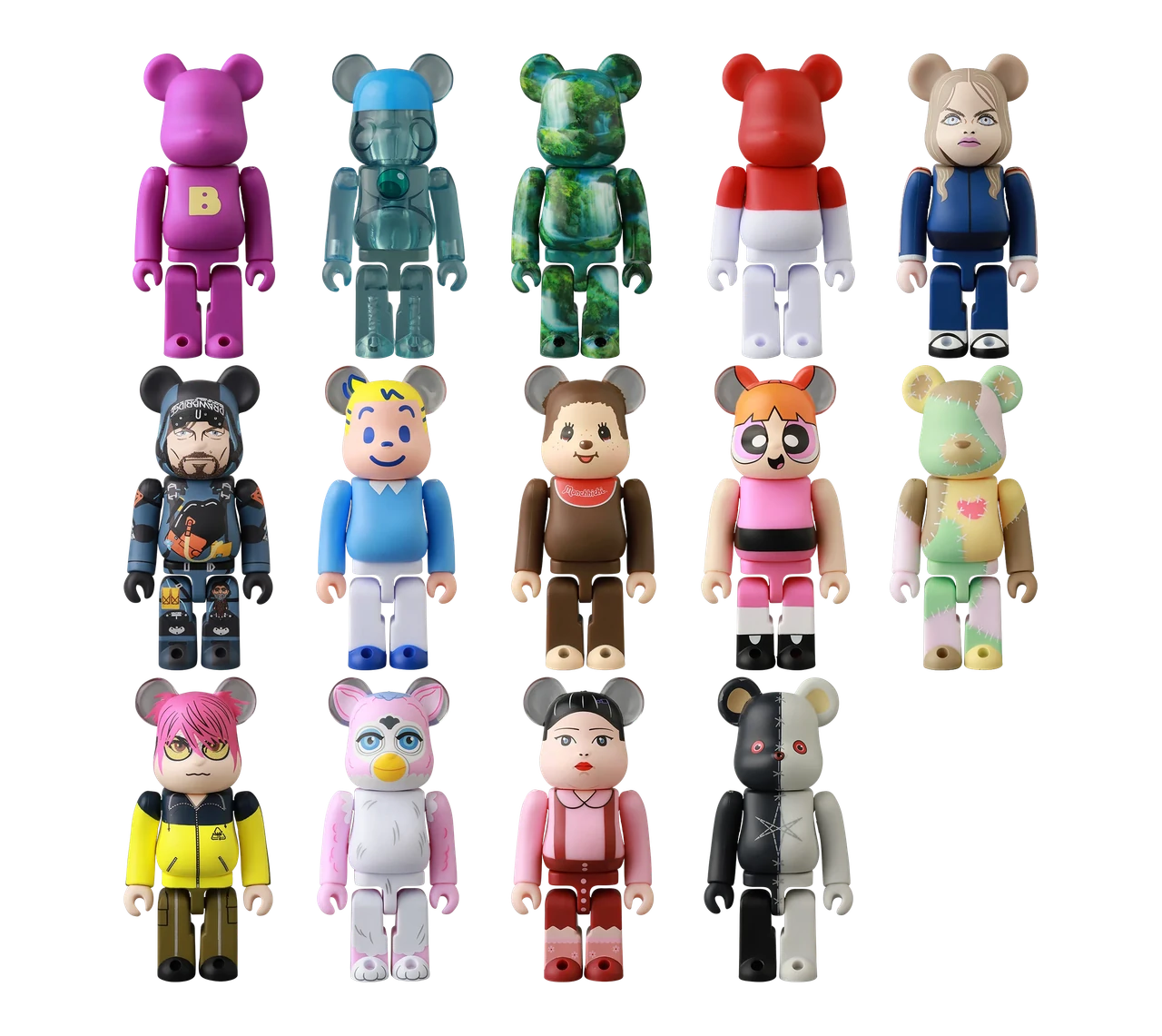
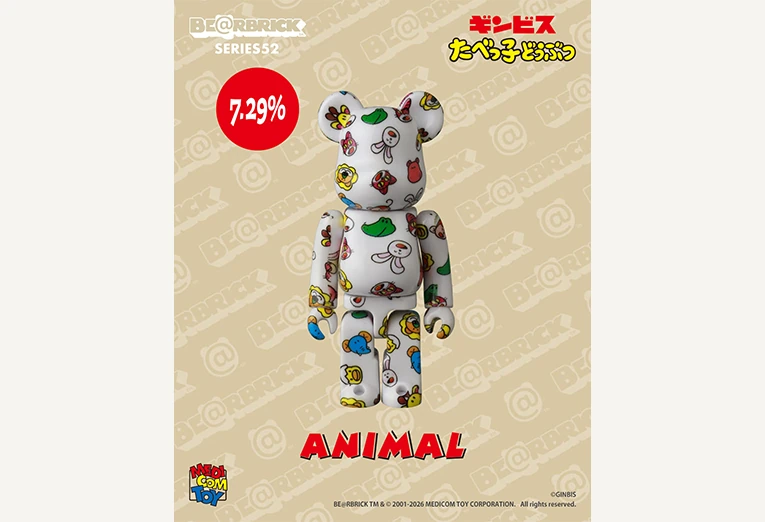
The official Series 52 listing, for example, specifies 100% figures approximately 70 mm tall. The number 52 does not mean 52 designs, a 52 cm figure or an edition of 52. A 400% bear with similar artwork may be a separate release with its own product listing and packaging.
Start with the complete name: Series number, character or category, size and version. A search for a red Bearbrick leaves plenty of possibilities; Series 51 Chupa Chups 100% is specific enough to check against the manufacturer’s catalogue. Our introduction to BE@RBRICK covers the broader story behind the platform.
Other release formats
Blind boxes: the part you cannot choose
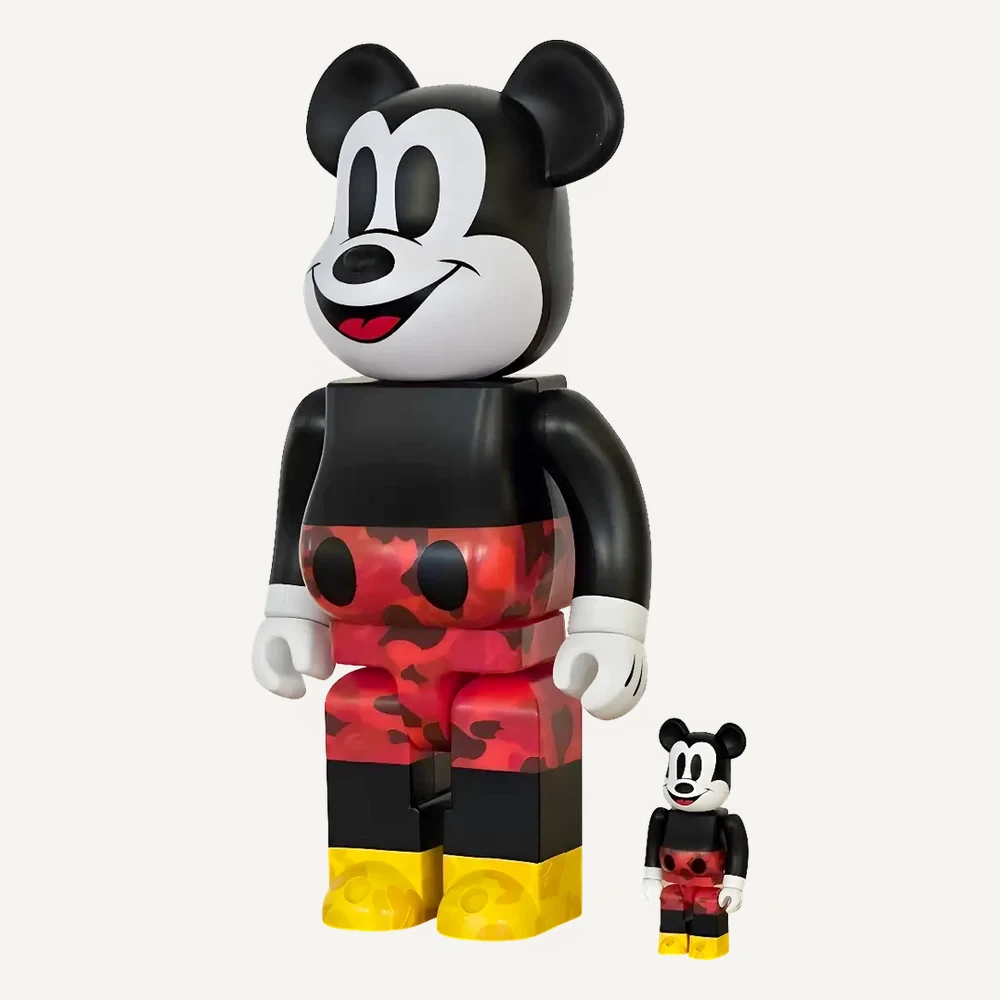
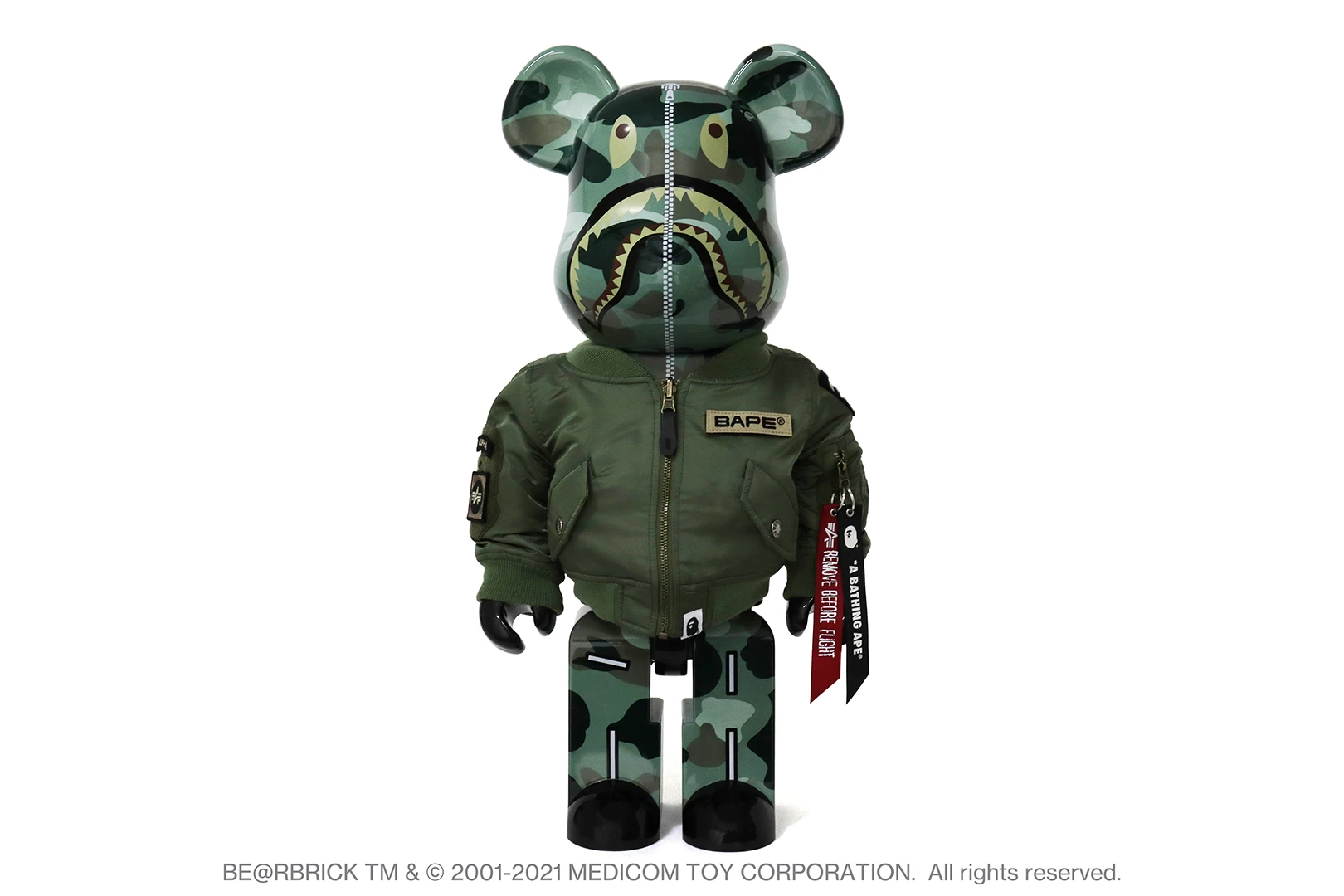
A blind box conceals which design is inside. It describes the packaging and buying experience, rather than a separate level of rarity. In its Series 52 announcement, Ginbis explicitly explains that the contents remain unknown until the box is opened. That little moment of anticipation is part of the appeal.
Opening boxes for fun and completing a particular collection are different goals. If you like many characters in the release, an unknown figure can be an enjoyable introduction. If you want only one, buying more sealed boxes does not become a reliable way to obtain it. An already identified example may be the more practical choice, especially when you can inspect clear photographs first.
Opened or identified does not mean counterfeit. A seller may have opened the outer box simply to discover the character. What matters is an accurate condition description: is the inner bag open, is the card included, and are any accessories present? Those details tell you more than a vague claim that everything is brand new.
When buying an opened example, check its provenance as well as its character. Our guide to original and counterfeit BE@RBRICK figures explains what to inspect.
Reading BASIC, JELLYBEAN and ARTIST
BASIC figures carry letters across their chests. Together, the letters spell BE@RBRICK, while a shared colour or finish connects the figures within a release. Completing that word is a different project from buying one random letter. Two bears marked B are not automatically an unwanted duplicate: the particular position and version matter when building a set.
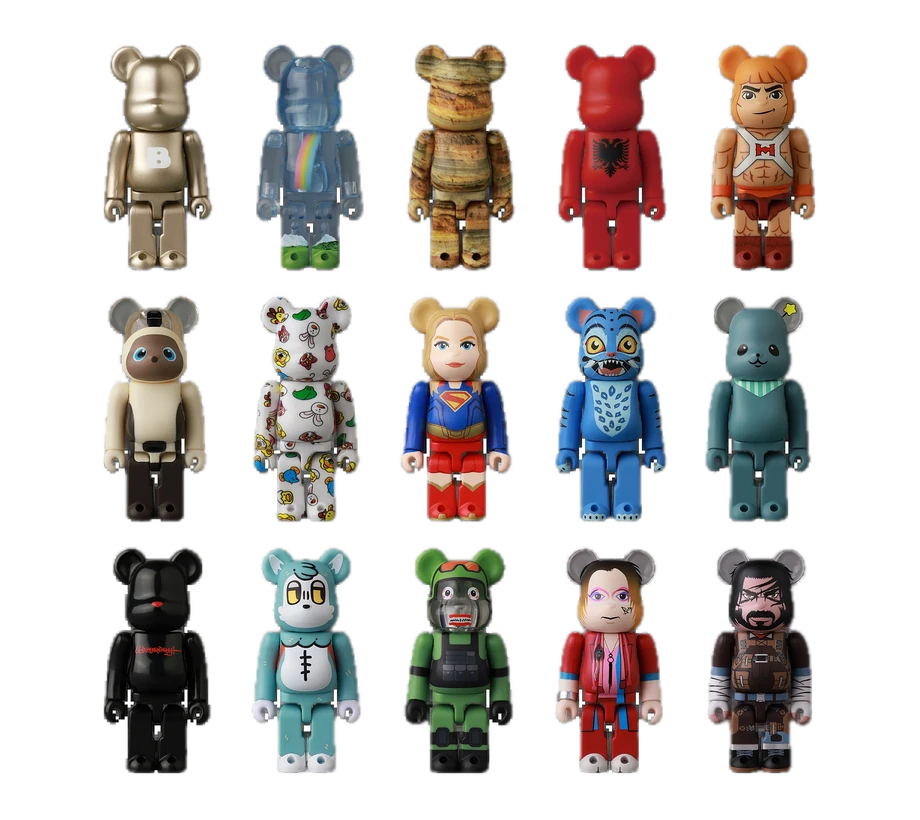
JELLYBEAN is associated with a transparent or translucent effect, PATTERN with graphic patterns, and FLAG with flags. HORROR, SF, CUTE, ANIMAL and HERO help organise characters by theme. These labels are useful signposts, but they do not replace the name and appearance of the actual design.
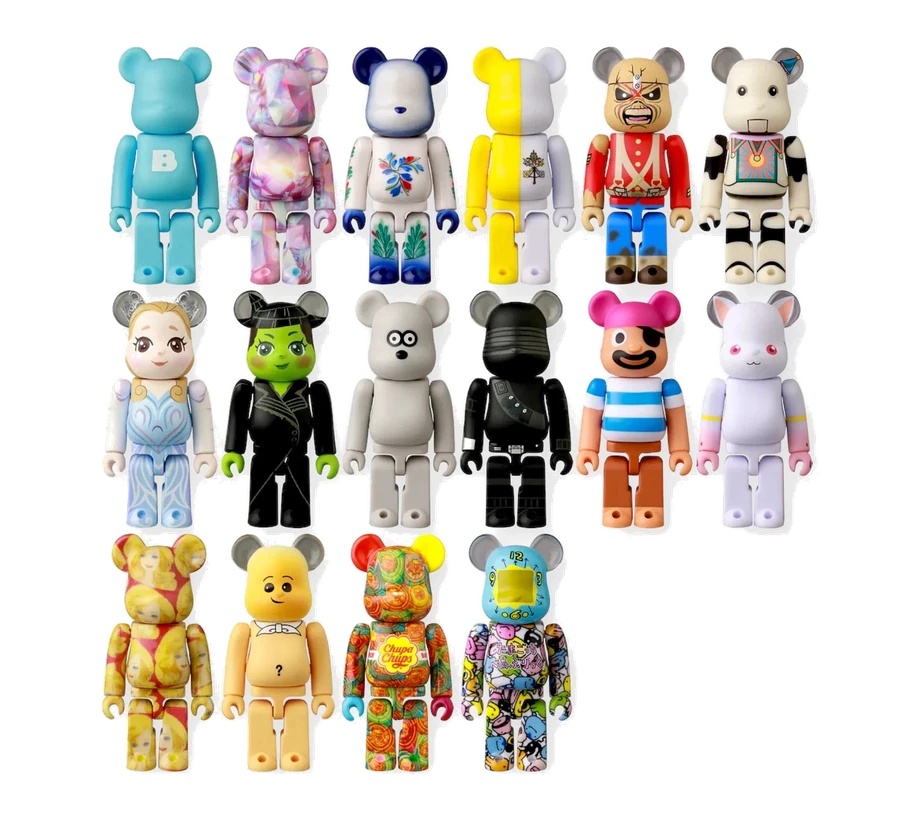
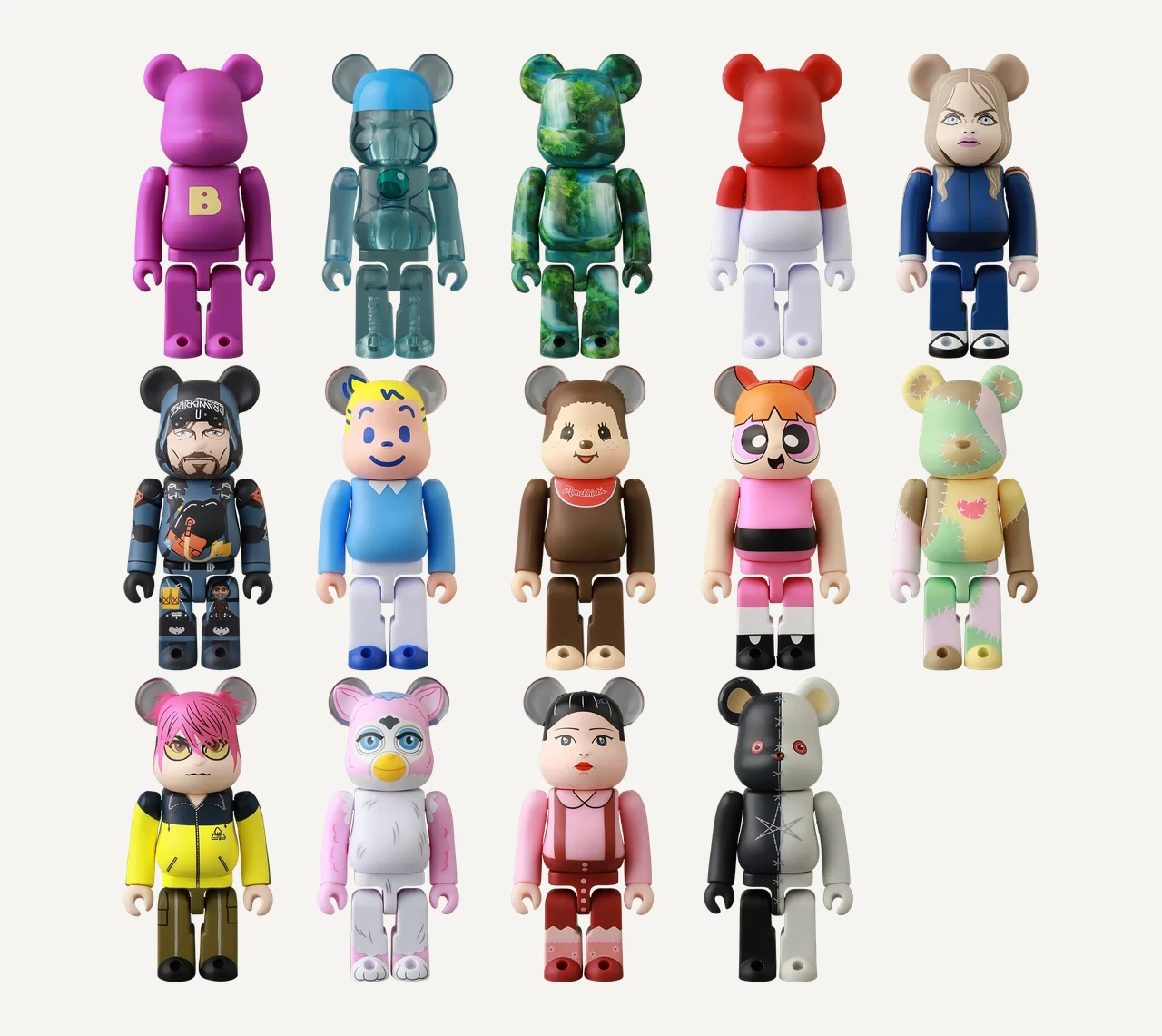
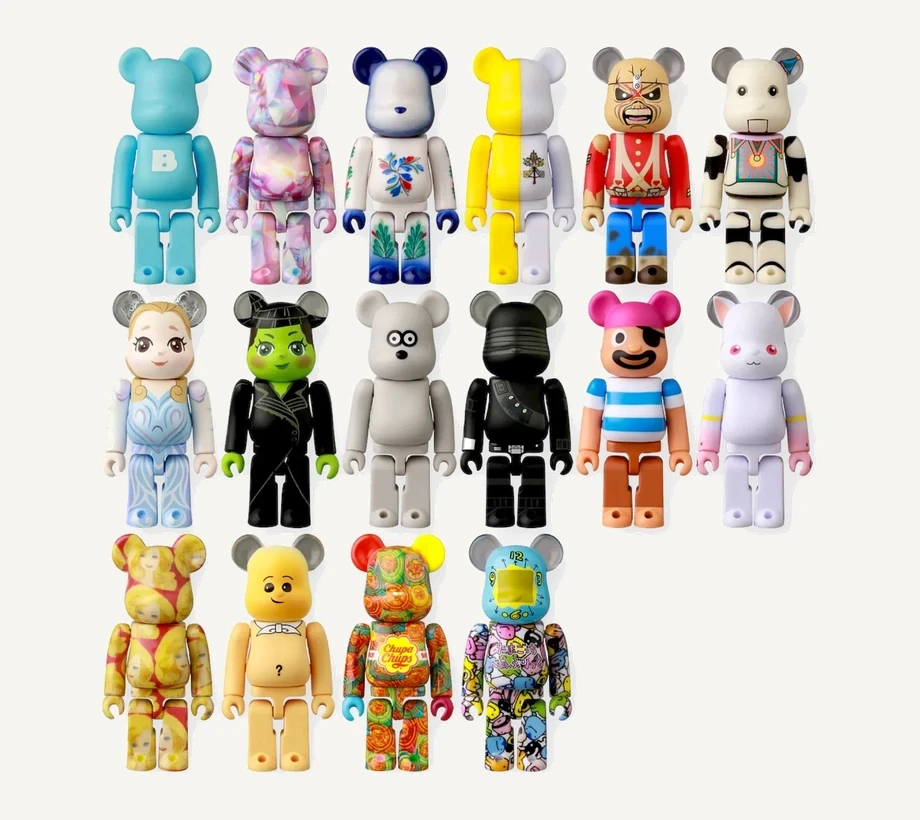
ARTIST does not necessarily mean hand painted or signed by an individual artist. The official Series 51 assortment includes Barbie, Tamagotchi, Chupa Chups and I'm donut? in this category. It accommodates authored and licensed designs; the familiar claim that every Series contains exactly two Artist figures does not fit this release.
An archive makes the connection between image, name, category and assortment rate easier to check. That becomes particularly helpful when two versions of a familiar character look almost identical from a distance.
Published Series 50 and 51 designs
From Series 1 to Series 52
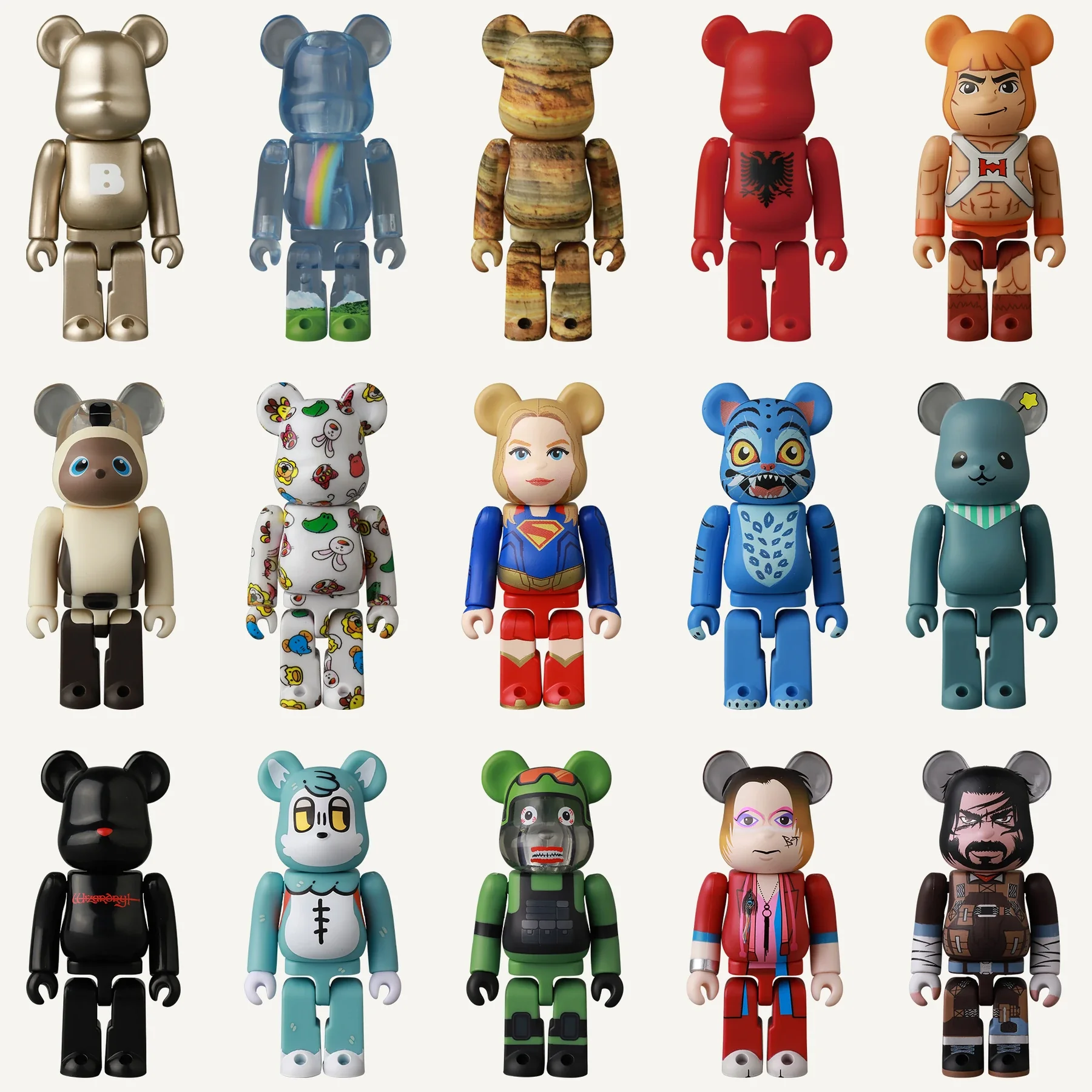
The official Series 1 archive already shows the foundations of the system: BASIC, FLAG, CUTE, JELLYBEAN, HORROR, ANIMAL, PATTERN, SF and two ARTIST positions. Its 2001 illustration features HIROTO and Yuusaku Hanakuma. The relationship between a consistent bear shape and different creative voices was there from the beginning.
Series 50 was announced for July 2025, followed by Series 51 in December. Series 52 illustrates why release dates need context: Ginbis confirms the earliest exhibition sale on 25 July 2026 at the MEDICOM TOY 30th ANNIVERSARY EXHIBITION, while the official store announcement gives 1 August for direct stores and online sales.
An exhibition launch and availability through other retailers need not happen on the same day. When checking an older figure, look for the particular channel and event instead of assuming one date covers every market. The digits at the end of a bearbrick.com product URL are catalogue identifiers, too: they are not numbered Series designations.
What the percentages mean: Series 51
The percentages beside figures describe a particular release’s assortment. In the official Series 51 chart, Chupa Chups is listed at 2.08%, Glinda at 3.12%, Andy the Mouse at 6.77%, and BASIC as a category at 14.58%. These figures provide a useful comparison within that release, rather than a universal probability table for every year.
| Series 51 position | Published assortment rate |
|---|---|
| BASIC, category total | 14.58% |
| JELLYBEAN | 5.2% |
| EGONLAB / PATTERN | 5.2% |
| Glinda / CUTE | 3.12% |
| Andy the Mouse / ANIMAL | 6.77% |
| Chupa Chups / ARTIST | 2.08% |
A common mistake is to attach 14.58% to every individual BASIC letter. The chart gives the category total. Dividing that number equally between letters is also an assumption: an equal distribution has not been established here.
Another mistake is to translate 2.08% into a promise that a figure appears in every 48th box. An assortment share does not describe the packing order of a particular shipment. Nor does it justify calculating the chance across a full box using independent trials: the manufacturer does not establish that independence here. The figures explain relative frequency, rather than identifying a lucky package.
Secrets and variations need individual identification
A Series promotional image does not necessarily include every version collectors encounter when opening boxes. Sometimes a familiar character appears in different artwork; sometimes the surprise is a separate design. Sellers use terms such as secret, hidden and chase, and their vocabulary can vary. Check the name, card and physical figure together.
A concrete example comes from Japanese retailer marotomTOY’s records of its own case openings. Its Series 51 table lists SECRET Ao Oni and Mr. Brainwash, alongside hidden Iron Maiden and G.I. Joe positions. These are useful observations from a retailer, rather than a MEDICOM promise about the contents of every box.
The shop explicitly identifies some columns as inferred. Its table should therefore not become a universal claim that one secret is guaranteed after a particular number of purchases. The official Series 51 chart does not provide a confirmed common probability for every hidden design. Leaving an unknown rate unknown is more useful than borrowing a familiar number from another release.
A full box is not necessarily a complete collection
The official Series 52 store listing explicitly describes 1 BOX as 24 units. That confirms the number of packages. It does not state that all 24 designs are different, that all BASIC letters are present, or that a particular secret is included.
Box and case also need clarification in international listings. A seller might mean one small blind box, an inner display box or an outer shipping carton. Compare prices after confirming the number of units and the condition of factory seals. A photograph of large packaging cannot answer those questions on its own.
A complete collection starts with a checklist. One collector wants regular characters, another wants the BASIC word, and another wants every known variation. Those are different projects. Ask for an itemised list when the contents are known, or a clear statement that the assortment remains random. Without that detail, the word set can mean different things to buyer and seller.
Why a secret is not automatically expensive
A rarely encountered design and an expensive object are not the same thing. Character recognition, demand for a collaboration, condition and the supply of available examples all affect a price. A difficult figure might appeal to a small audience; a more common character might attract many more buyers.
The secret label establishes neither the total edition size nor a promise of future appreciation. Comparisons with a large 400% or 1000% release also need care: a shared character does not make the objects interchangeable.
For a personal collection, start with photographs from all sides, markings and completeness. For a market comparison, look for completed sales of the same release and size. A high asking price in an active listing records what a seller hopes to receive, rather than the result of a transaction. Auction records deserve their own context, separate from the mechanics of opening blind boxes.
For documented sales and the limits of comparing them, see our BE@RBRICK auction records article.
HappyKuji and finding your own collecting direction
Happy Kuji is a separate lottery format with different prize categories. The official 2018 Disney/Pixar edition offered a 400% Mr. Incredible, paired 100% sets, individual 100% figures and a LAST prize consisting of five Incredibles family characters. That structure is different from a numbered Series assortment.
A LAST prize should therefore not be described as a secret hidden inside an ordinary small blind box. Read the particular lottery’s rules and prize list first. Familiar characters can appear across several MEDICOM formats, while the package contents and route to obtaining them differ.
A manageable first goal might be a favourite character, one theme or a few letters. Save the official chart and photographs of the version you want. Confirm the size, packaging condition and included pieces before buying. Plan the shelf as well: even a small group of 100% figures becomes easier to enjoy when each bear has enough space. That gives every addition a clear place in the collection, beyond the surprise of opening it.
Explore smaller formats in our BE@RBRICK 100% category and the listings for Series 50, Series 51 and Series 52. Check the current terms and package contents before ordering: a Series listing does not mean every pictured design can be selected individually.