In this article
A familiar Companion, with an unfamiliar outline
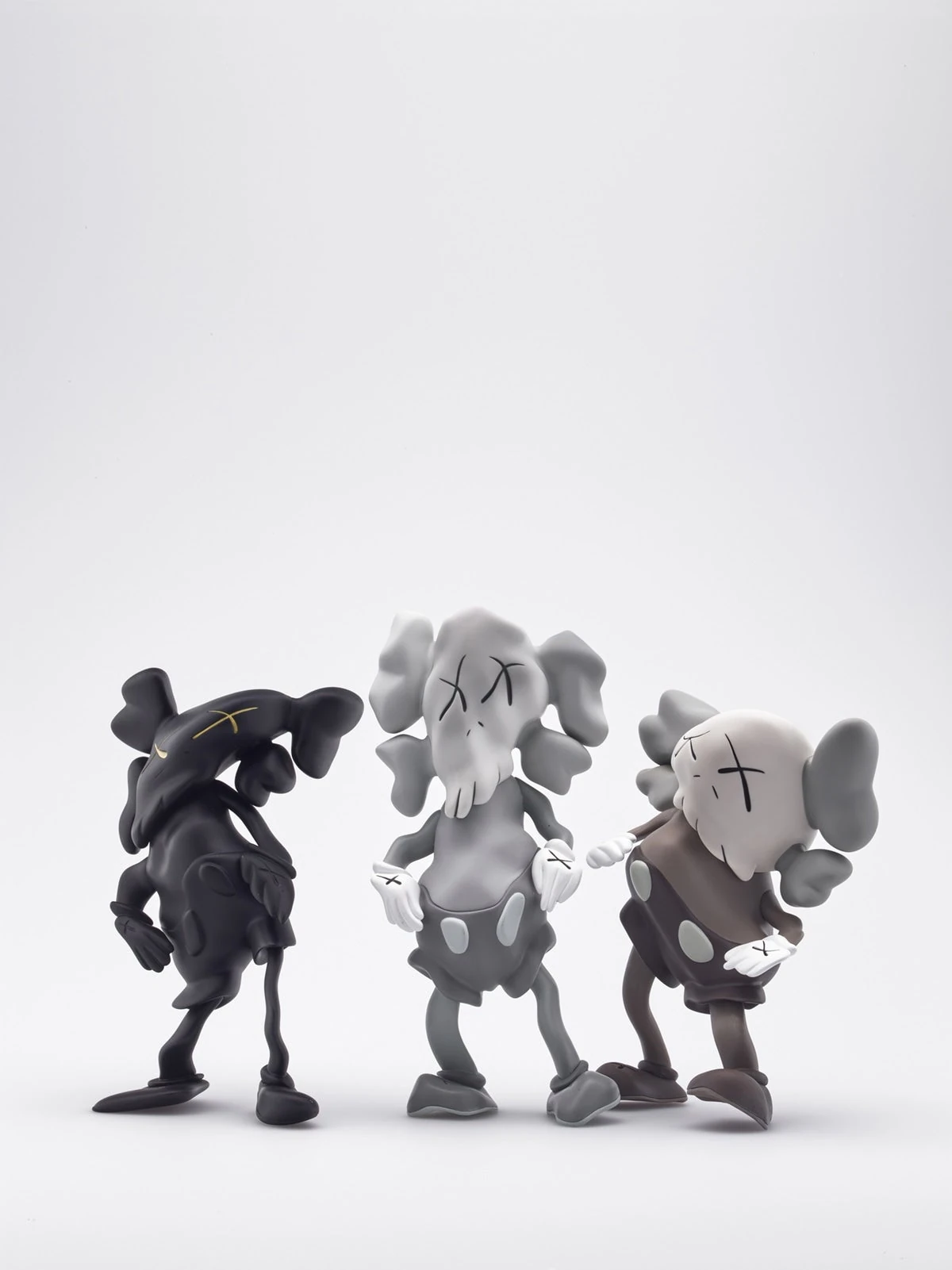
The first things you recognise belong unmistakably to KAWS: crossed-out eyes, oversized gloves, shorts and a rounded head with projecting forms. Then the outline stops behaving as expected. Parts seem stretched or displaced, as though the character were being seen through uneven glass. The familiar details no longer add up to the body you remember.
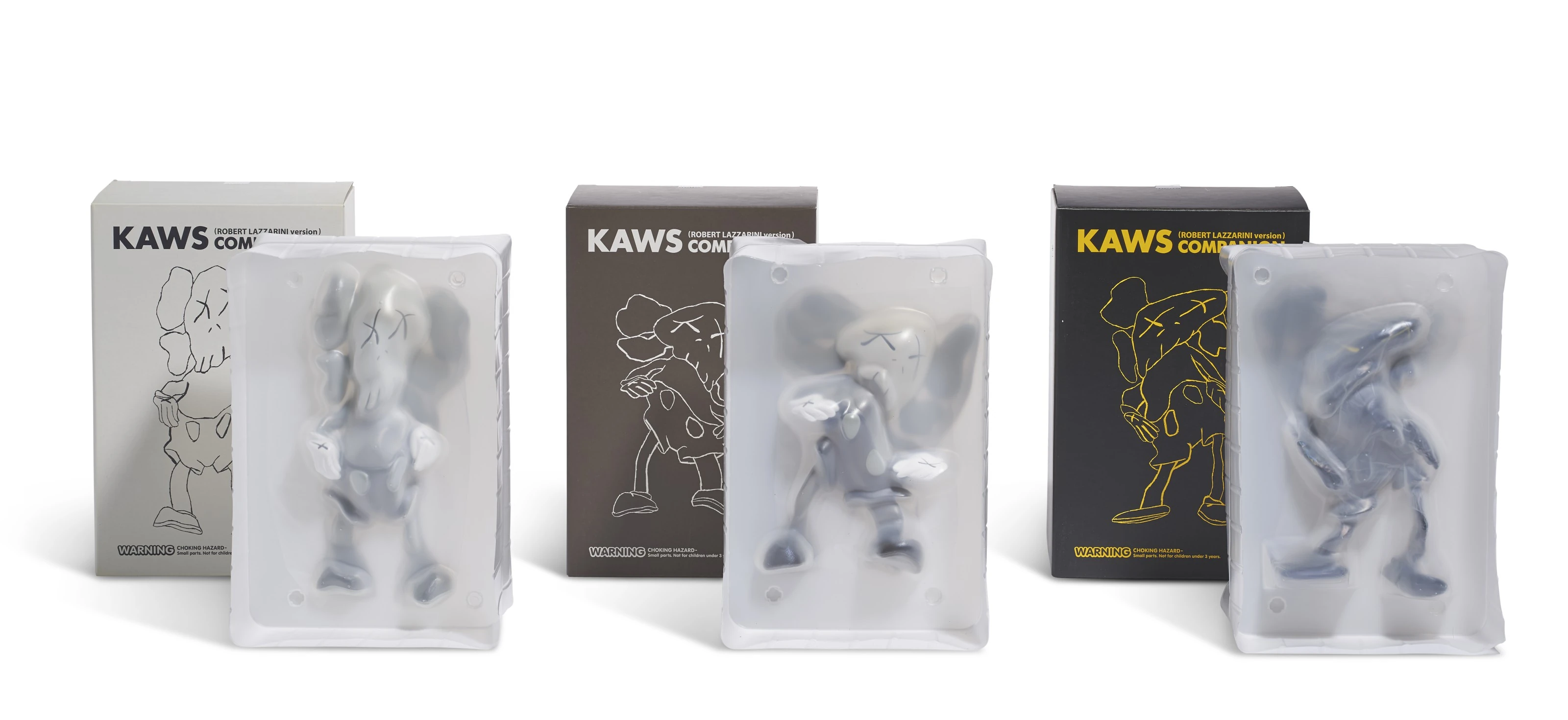
This is not an ordinary Companion that has suffered damage. Its shape was designed that way. Auction catalogues use the title COMPANION (Robert Lazzarini Version), while Distorted Companion describes its most obvious feature. It belongs to the world of KAWS characters, but it is neither Passing Through nor a BE@RBRICK. The change is built into the sculpture rather than applied as a surface graphic.
Who is Robert Lazzarini?
Robert Lazzarini is an American artist whose work challenges how we recognise everyday objects. A telephone, violin or skull remains identifiable even after its geometry has moved away from our memory of the original. The Modern Art Museum of Fort Worth discusses that combination of precise craftsmanship and disrupted perception in its exhibition text.
His Skulls, made in 2000, belong to the Whitney Museum collection. They offer useful context: distortion was already a sustained artistic investigation, rather than a one-off treatment invented for a collectible figure. Working with KAWS gave Lazzarini a different starting point, a character whose proportions collectors had learned to recognise. Changing those proportions makes that familiarity part of the encounter.
Why both 2010 and 2011 appear
The figures carry a 2010 date on their undersides, and many auction catalogues date the series to that year. Its release history also reaches into 2011. A December 2010 announcement described an upcoming release at OriginalFake in Tokyo, followed by an online sale in January.
Arrested Motion’s photographic report, dated 19 January 2011, described a sale on the KAWS website the previous day. The date of the work and the date someone bought it can therefore differ. Phillips’ catalogue for the trio also gives 2011 while recording the 2010 marking. That does not establish a separate second edition. The clearest account is a 2010 series with a January 2011 online release.
Brown, Black and Grey have different bodies
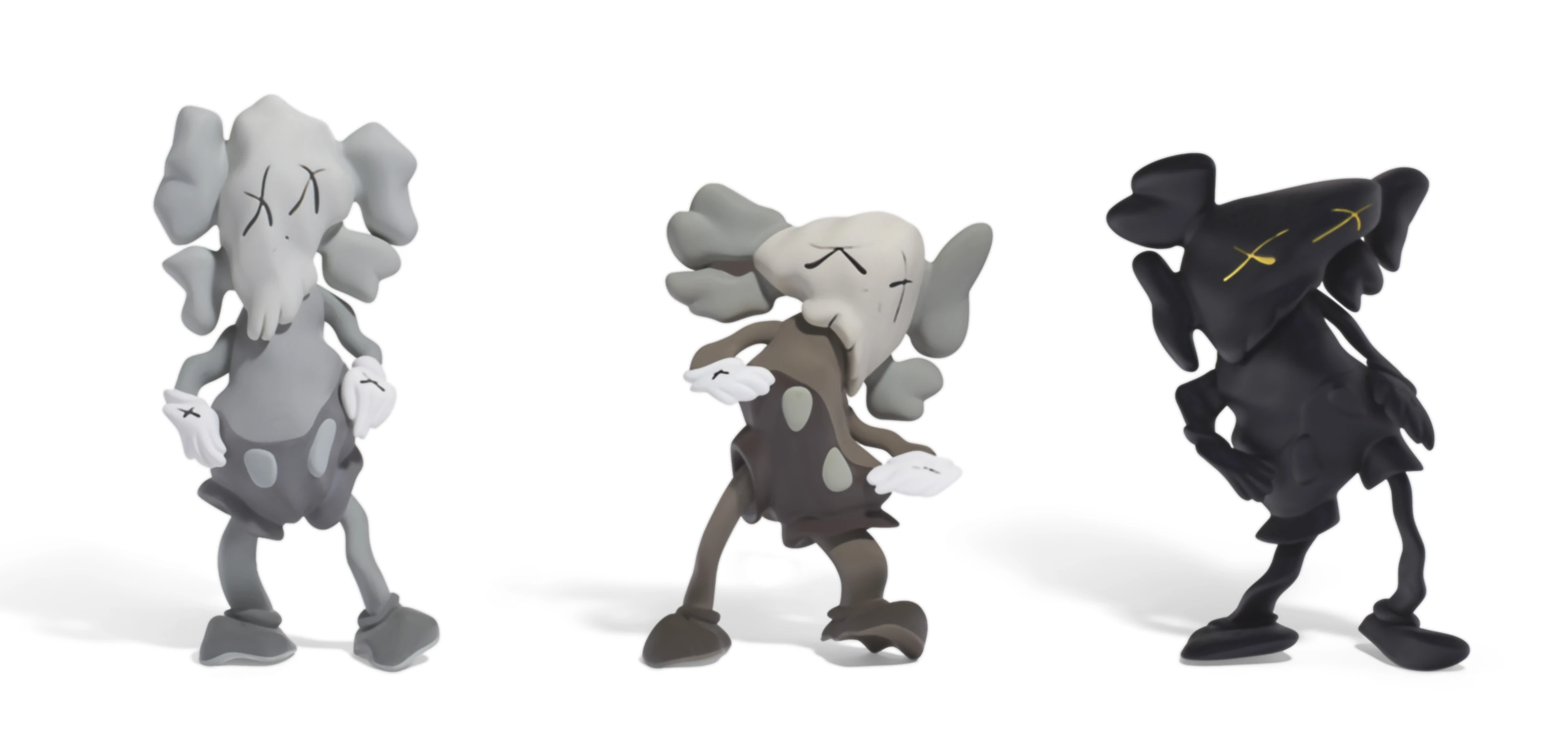
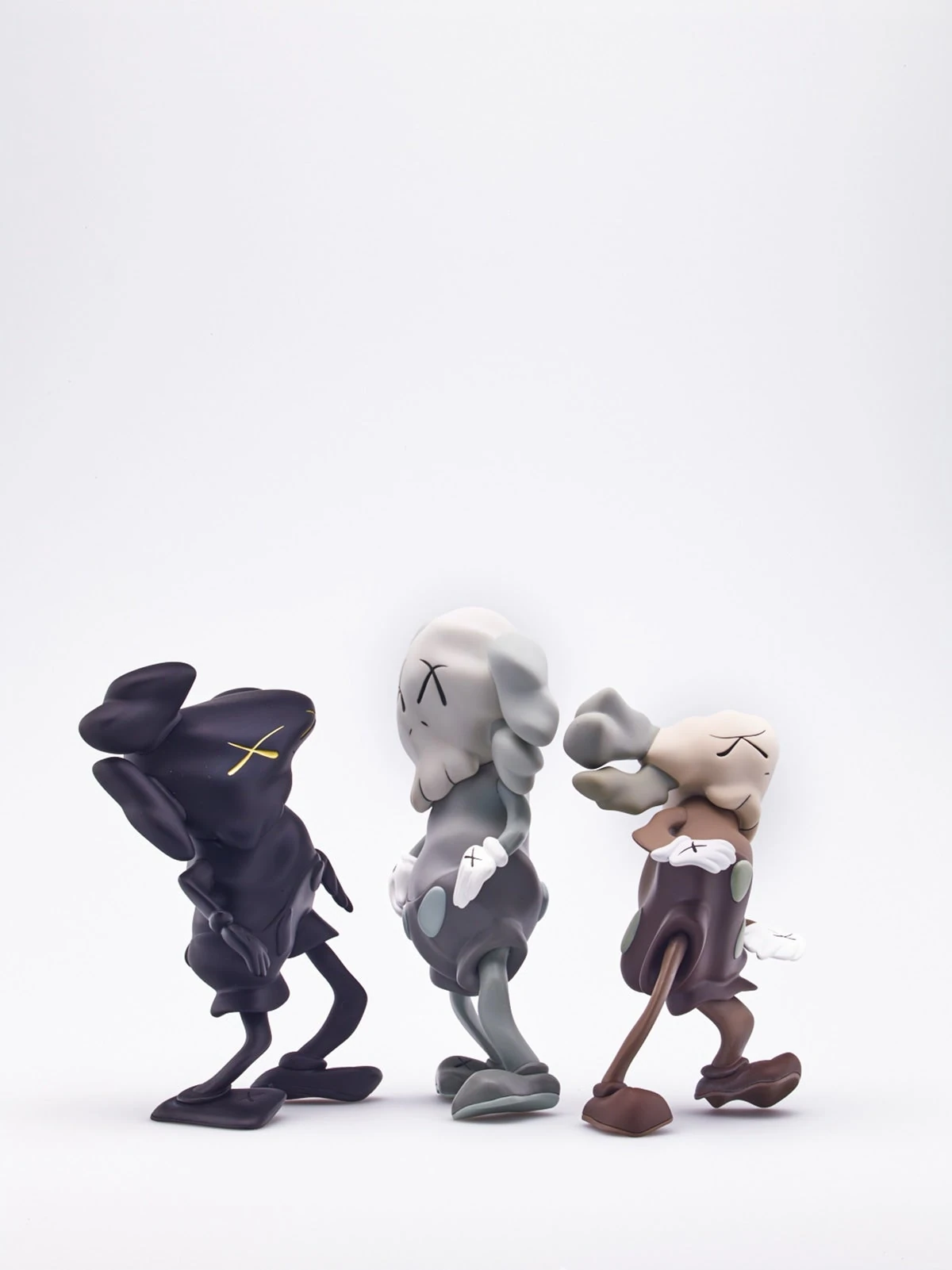
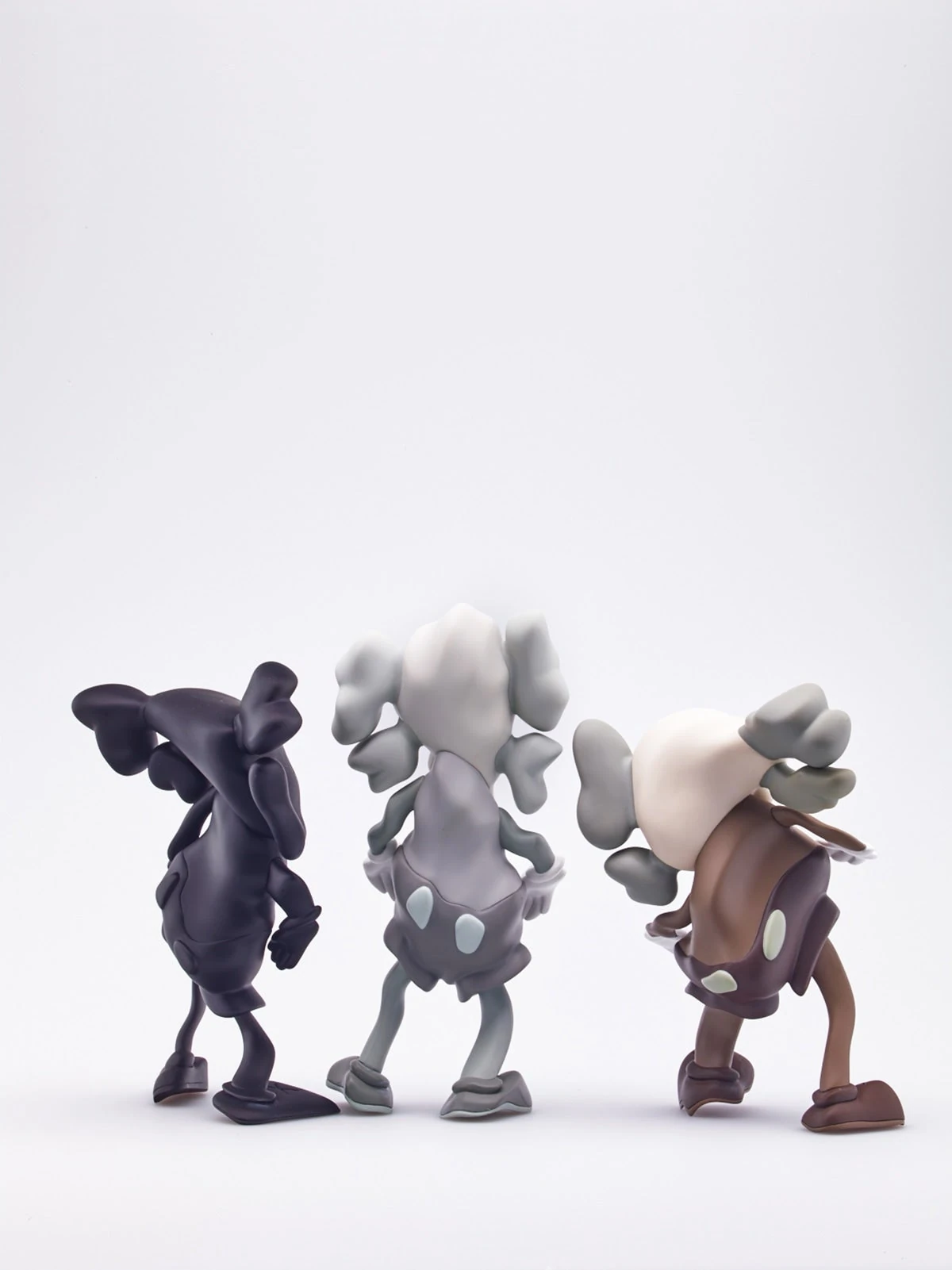
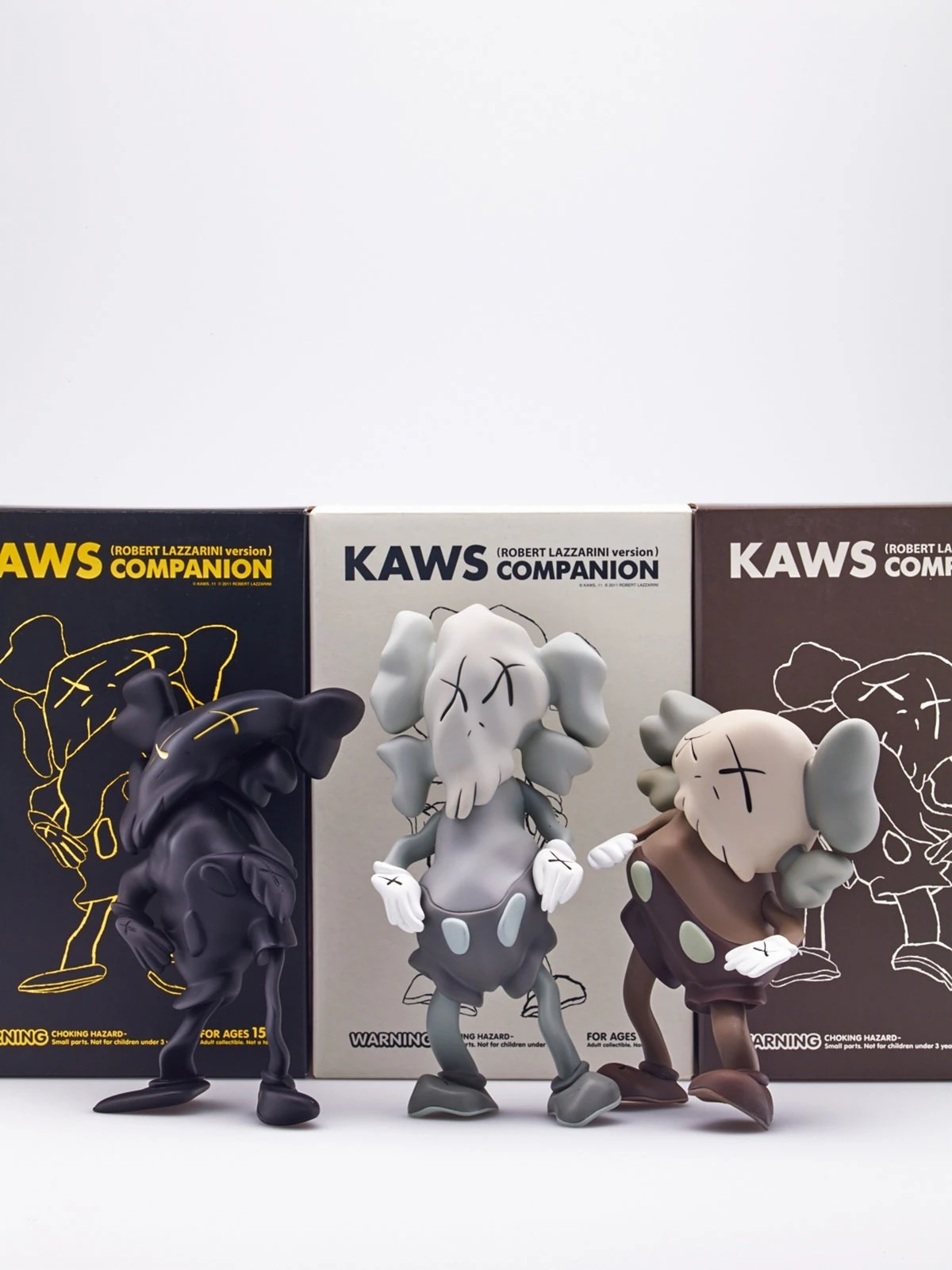
Choosing a colour usually means choosing a new finish for the same shape. Here, each version was given its own mould. Brown is shorter and wider, Black sits between the other two, and Grey reaches highest. Seen together, they reveal changes extending beyond the head: the relationships between torso, arms and legs are different too.
Phillips records approximate heights of 17.8 cm for Brown, 19.7 cm for Black and 21 cm for Grey. Measurements vary slightly between catalogues, but the overall relationship is consistent. These are three different volumes. Making them appear equally tall in a comparison photograph would obscure part of the collaboration, because their differences in scale and proportion are part of the design.
Grey / Black / Brown
A new geometry in cast vinyl
Auction catalogues describe the regular edition as painted cast vinyl, produced by MEDICOM TOY and OriginalFake. Phillips’ entry for Black states an edition of 1,000; Sotheby’s describes 1,000 examples for each of the three colours.
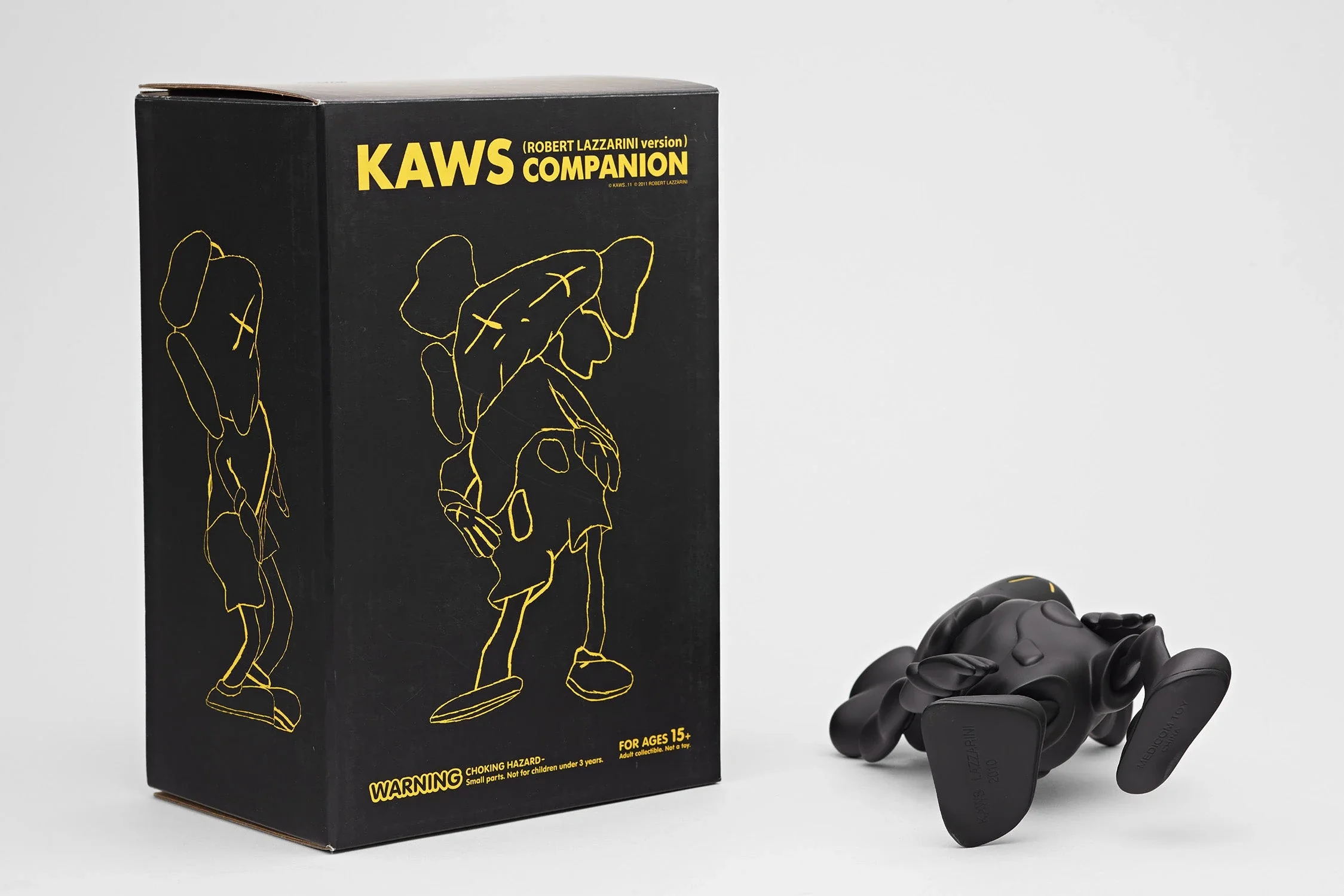
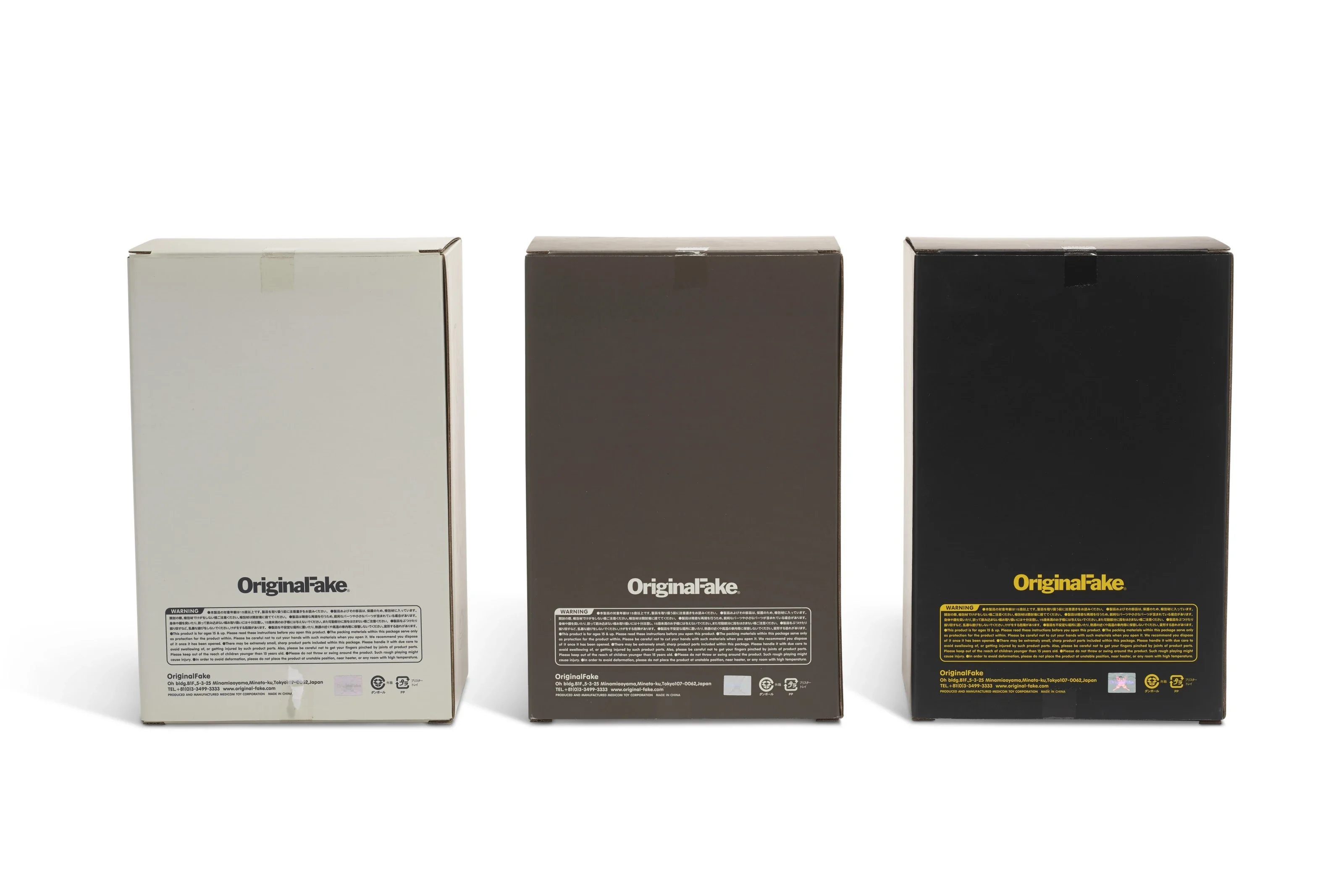
“Melted” is an understandable first impression, but it is not a description of the manufacturing process. The distortion was built into the mould. It is also worth distinguishing the Japanese publishers from the manufacturing location: the marking transcribed in the catalogues includes MEDICOM TOY CHINA. Those small details matter when describing an object accurately. They help separate the actual work from assumptions made from its appearance, name or association with a particular brand.
Give the changing outline room
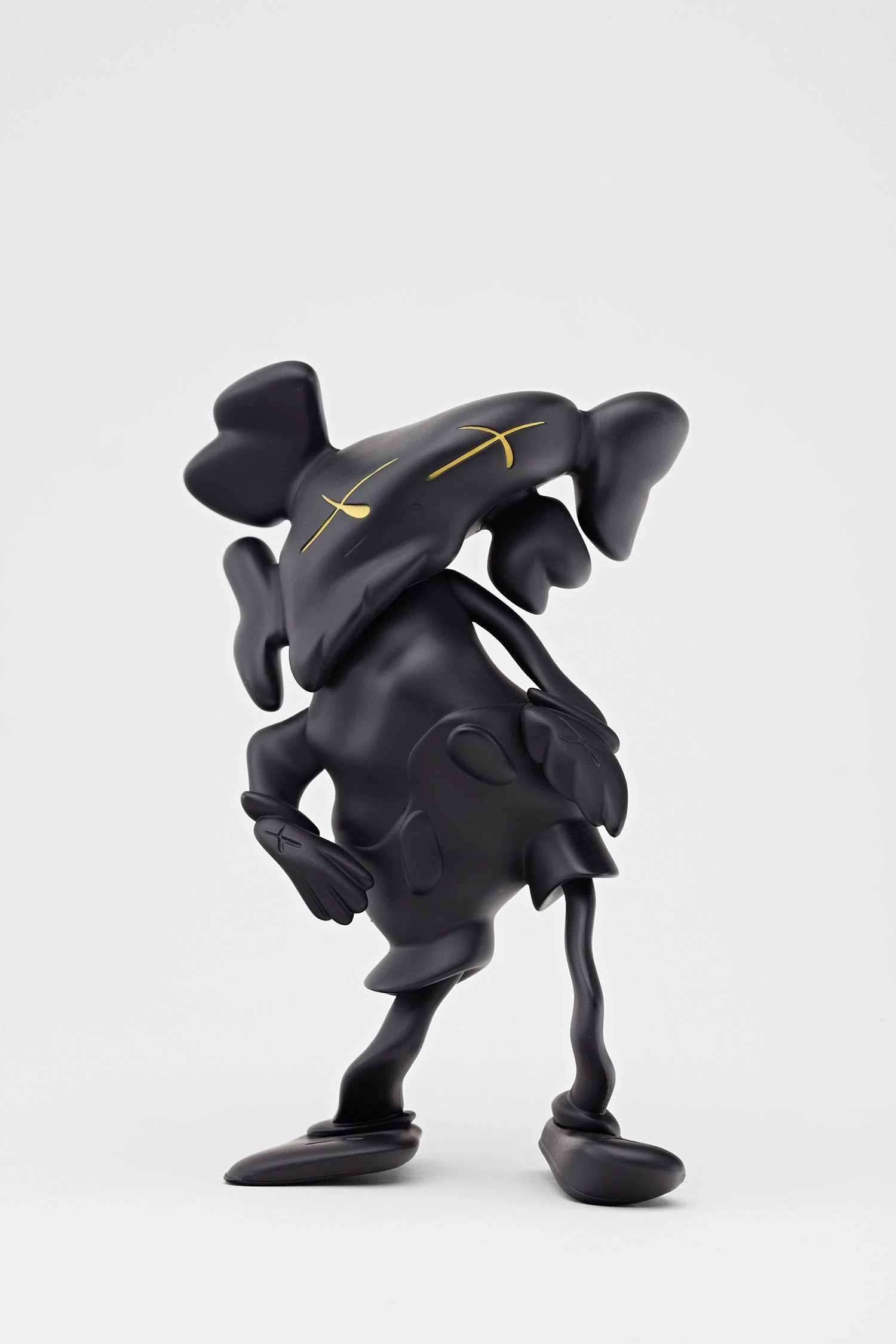
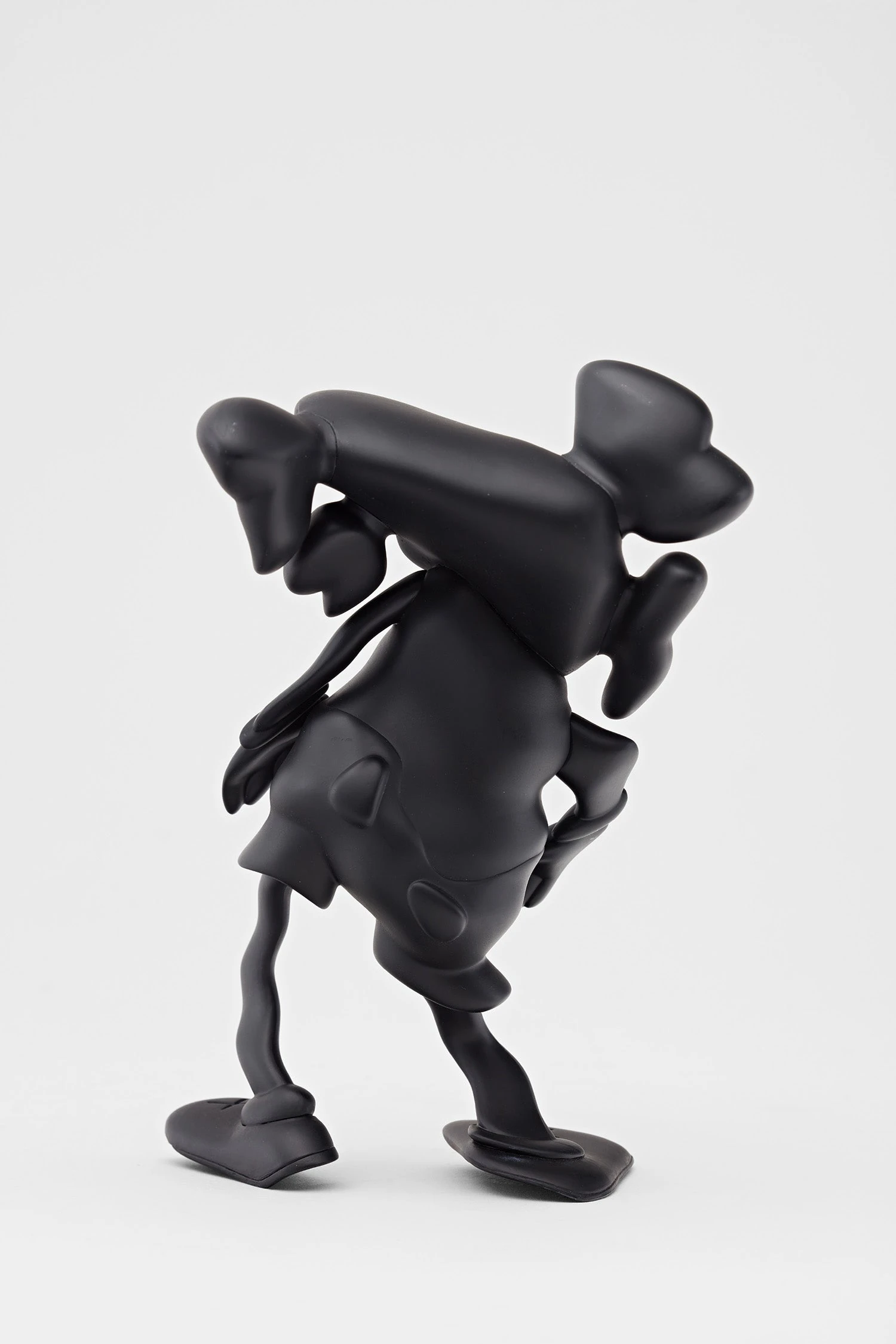
Distorted Companion benefits from a position where it can be seen from the side. A frontal view presents one arrangement; turning around it reveals another relationship between the head, hands and supporting legs. Our practical suggestion is to leave some open space around the figure, rather than pressing its outline between taller objects.
For the complete trio, start with one level surface so their different heights remain clear. A calm background and soft light make the contours easier to follow. This is display advice, not a rule attributed to the artists. The aim is simply to let a domestic arrangement reveal the feature that made this particular sculpture interesting to you in the first place.
Black
What collectors find in the collaboration
Its appeal is not explained by age or edition size alone. Both artists remain visible: KAWS provides the character, while Lazzarini changes the way it is perceived. A single example can make a distinctive point within a collection; the three colours show how one idea develops across different shapes.
The condition, history and completeness of an individual example still matter. Packaging does not replace the sculpture, but it can help preserve the history of the object and its release. We discuss auction results in our separate guide to expensive KAWS figures. Here, understanding what makes this Companion different is more useful than turning its story into a promise about its next sale price.
Compare the right version
Before buying, establish the colour, ask for photographs from several angles, review the markings and clarify exactly what comes with the figure. For this series, comparisons need to involve the same version. Brown is not a template against which Grey should be judged: the difference in their outlines was intentional.
An unusual body shape alone proves neither authenticity nor a counterfeit. A box photograph or isolated marking cannot provide a complete answer either. Our KAWS authenticity guide brings together practical comparisons and the points that deserve closer attention. This history helps identify the work correctly. It does not replace examination of the particular example being offered or the information needed to understand its provenance.
Packaging and markings
Finding your own Companion
Distorted Companion shows how far a familiar character can change without losing its identity. A collection does not, however, have to begin with a scarce historical release. Some people respond to the uneasy geometry; others prefer a quieter pose, an embrace or the relationship between two characters.
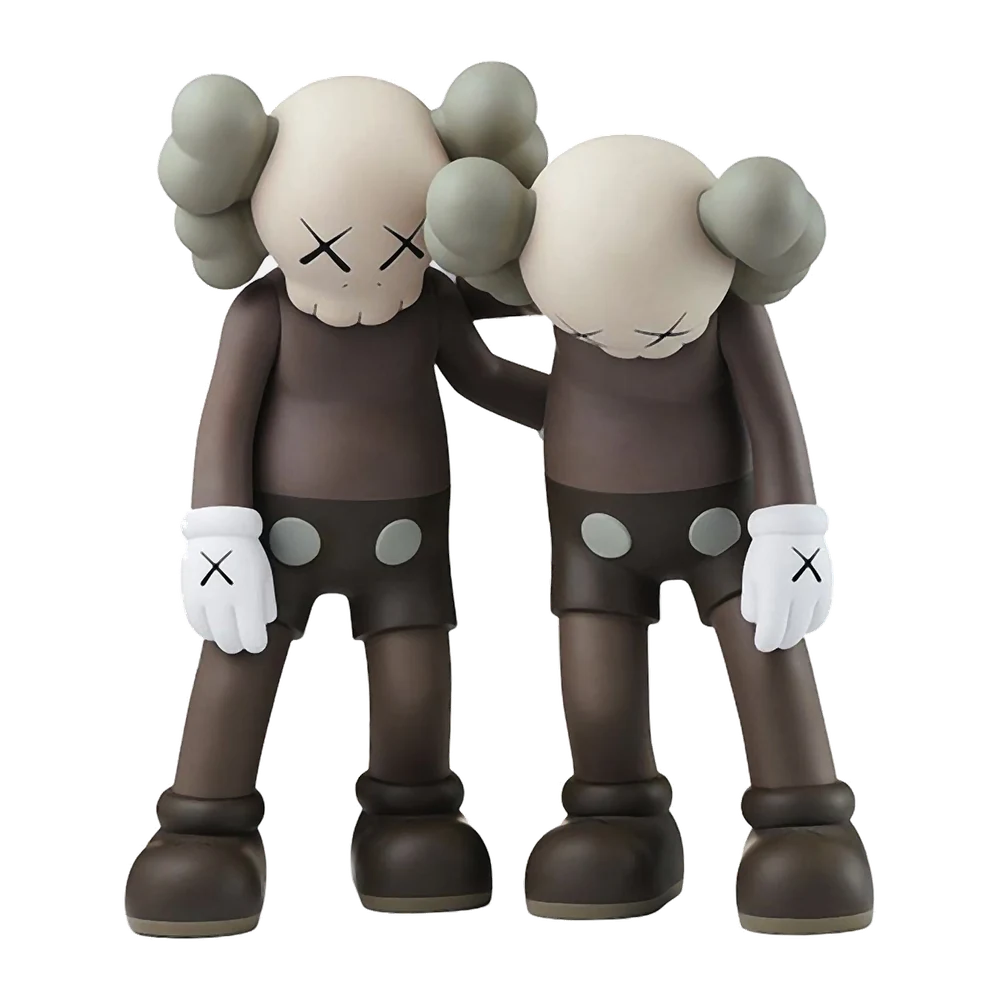
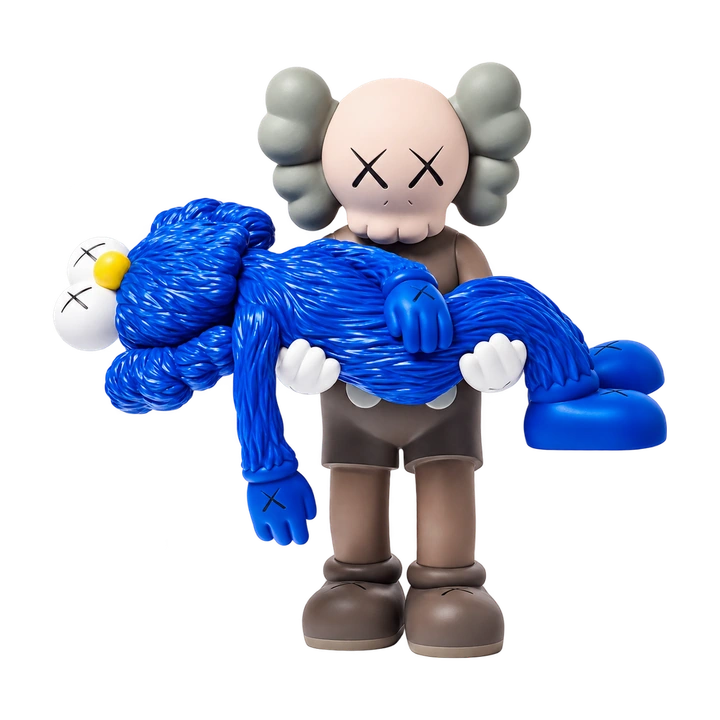
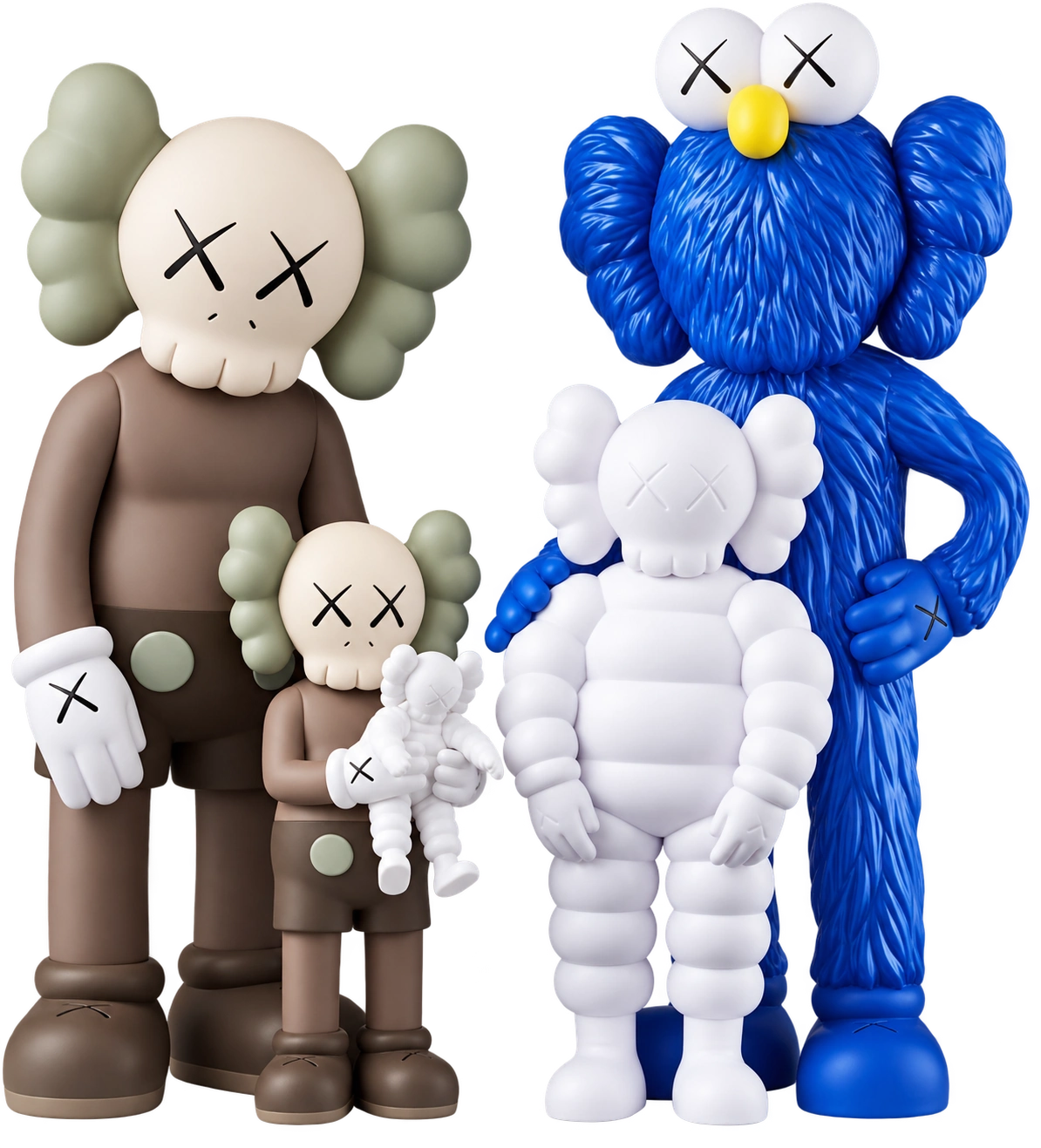
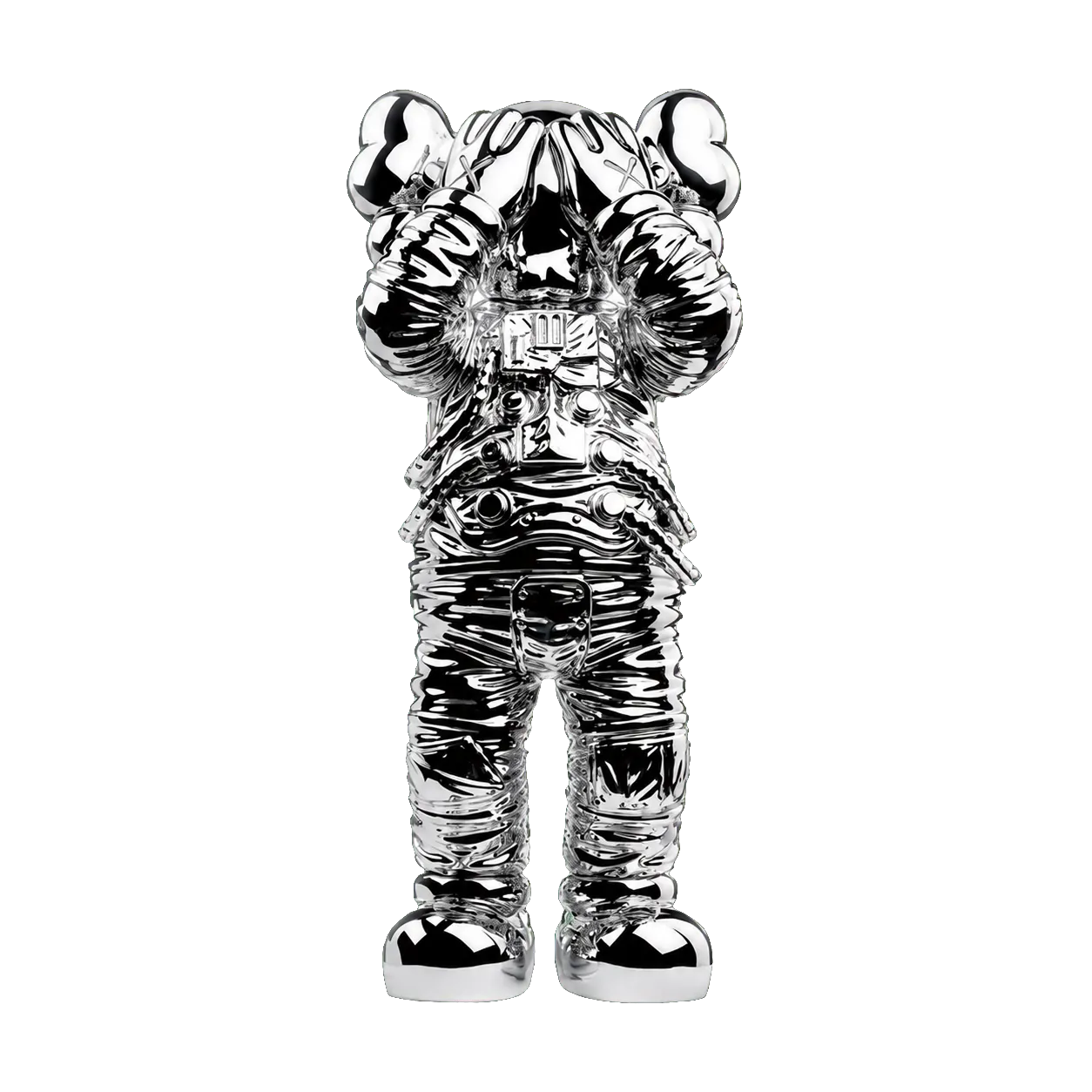
The ArtComBuro KAWS collection offers other compositions and scales to explore. These are separate works, rather than substitutes for or reissues of Lazzarini. Consider how a figure will look beside you and the other things in your home. Release history adds depth to that decision, but the daily encounter is with an outline, a colour and a gesture you want to keep looking at.