In this article
Identify the objects being compared
BE@RBRICK is a recognisable platform rather than one identical product carrying different pictures. Size, material, finish, artistic collaboration and set contents can all change. A name such as 100% & 400% usually describes two figures together.
Start with the full model name and its specifications. A small blind box, a set and a large figure represent different purchases. Identifying the format helps explain why two superficially similar objects can be offered at very different prices.
Date and price type come next. Original Japanese retail, a shop’s offer years later and a completed auction sale are different kinds of information. Each becomes useful when it is accurately labelled and connected with a particular release.
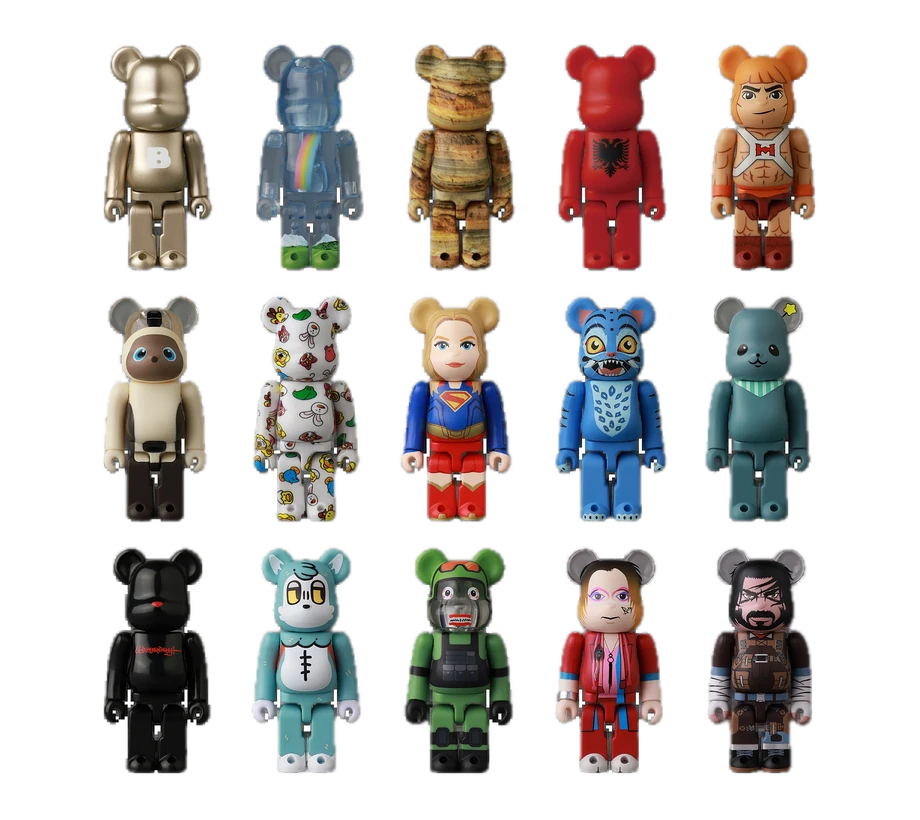
Small series figures offer another starting point
For BE@RBRICK SERIES 48, announced for July 2024, the official recommended price was ¥550 including tax for one seven-centimetre figure. It illustrates how an introduction to the platform can begin at a smaller scale.
A random series box and a specified character do not always represent the same offer. One involves choosing a purchasing format; the other identifies an object. If a particular character matters, establish whether the contents are known and exactly what is being supplied.
That distinction does not automatically explain every markup. It makes the comparison clearer. Small figures have an appeal of their own: a whole sequence can fit within limited space, showing how graphics change the same basic form.
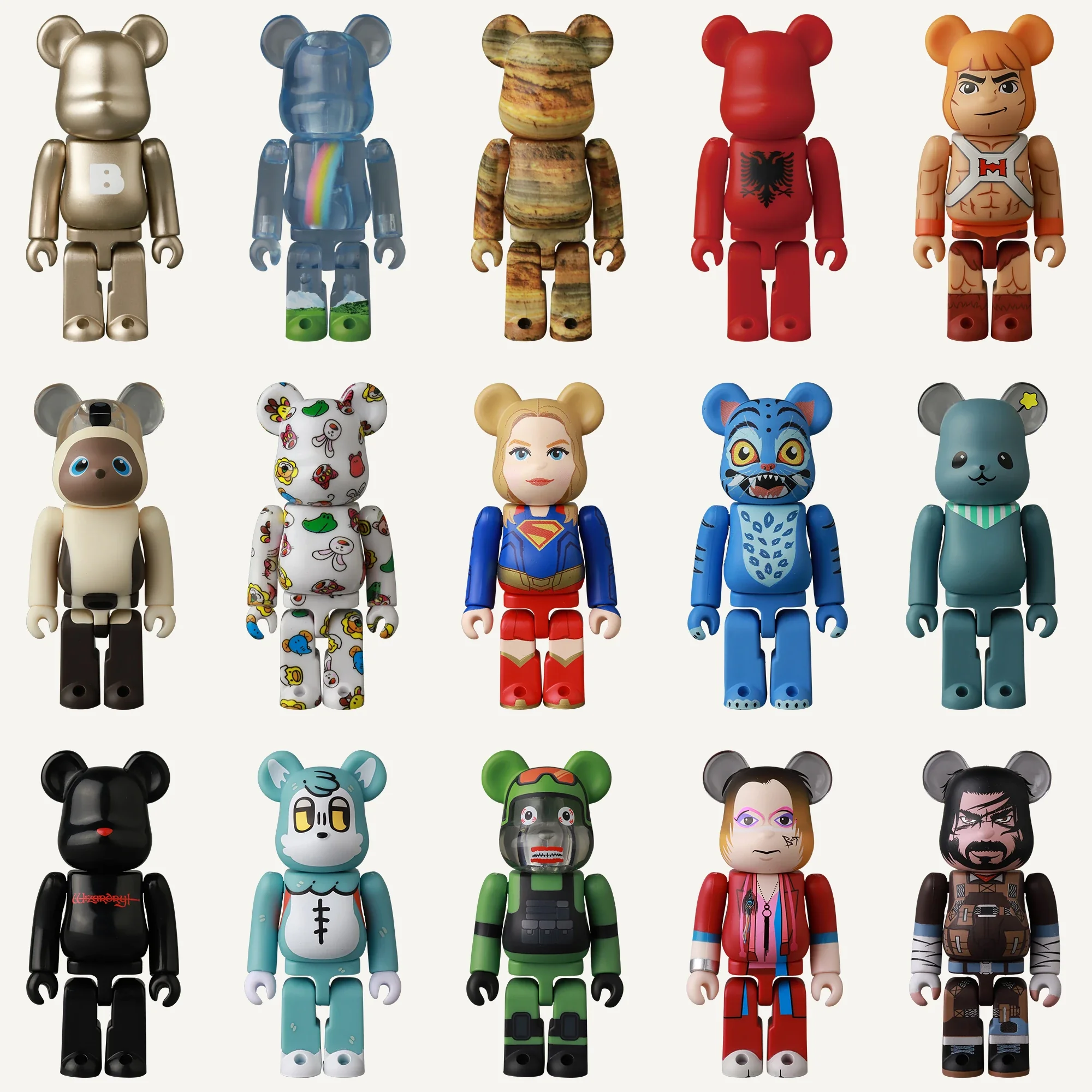
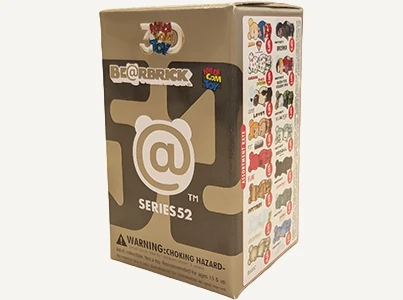
The photographs below show the later Series 52. Explore its catalogue listing; the historical price above specifically refers to Series 48.
Series 52
Size changes the object and its display
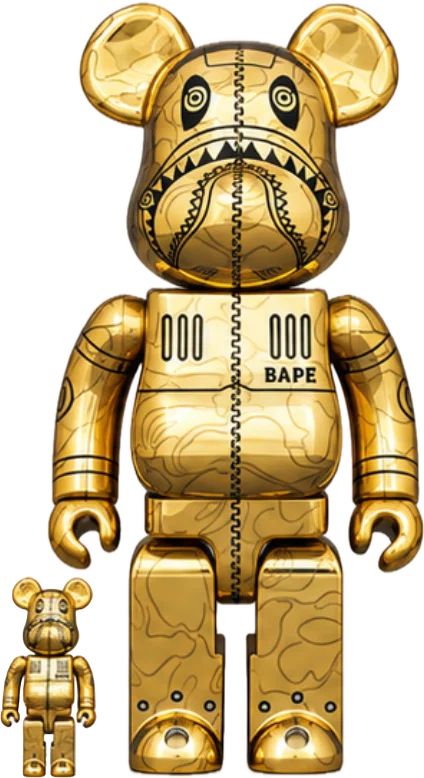
BAPE BOBA FETT from 2020 provides a useful comparison within one collaboration. Its 100% & 400% set combines figures approximately seven and twenty-eight centimetres tall, while the separate 1000% measures around seventy centimetres.
The larger object plays a different role in a room. It requires space, larger packaging and an appropriate approach to transport and placement. It can become a standalone accent, while a smaller figure joins a shelf display more readily.
The percentage in the name does not establish a simple price formula. A 1000% format carries no promise that its price will be exactly ten times higher. Announced prices show the relationship between particular releases; another model may have a different relationship.
What official launch prices show
Examples from MEDICOM TOY’s archives illustrate the variety of formats. These are historical announced Japanese prices, rather than current purchase or resale values.
| Release | Date in the official announcement | Announced price |
|---|---|---|
| SERIES 48, one 100% figure | July 2024 | ¥550 including tax |
| BAPE BOBA FETT, 100% & 400% set | August 2020 | ¥24,000 excluding tax |
| BAPE BOBA FETT 1000% | August 2020 | ¥82,000 excluding tax |
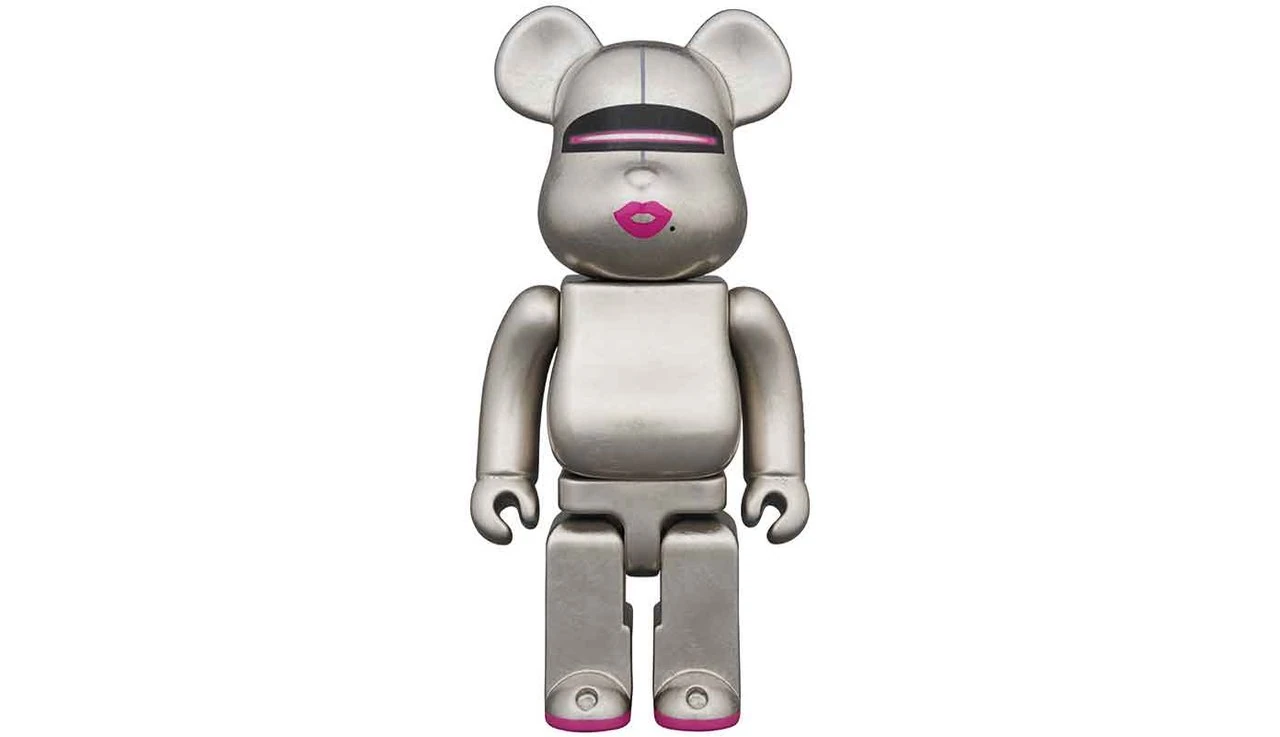
| Chogokin HAJIME SORAYAMA, approximately 14.5 cm | November 2020 | ¥13,800 excluding tax |
| SORAYAMA LIGHT Ver. 1000% | November 2024 | ¥96,800 including tax |
| Karimoku Maneki-neko II 1000% | April 2022 | ¥968,000 including tax; shipping extra |
The tax labels and set contents matter. The table compares different objects released in different years; it does not chart the appreciation of one figure over time.
Plastic, wood, ceramic and metal
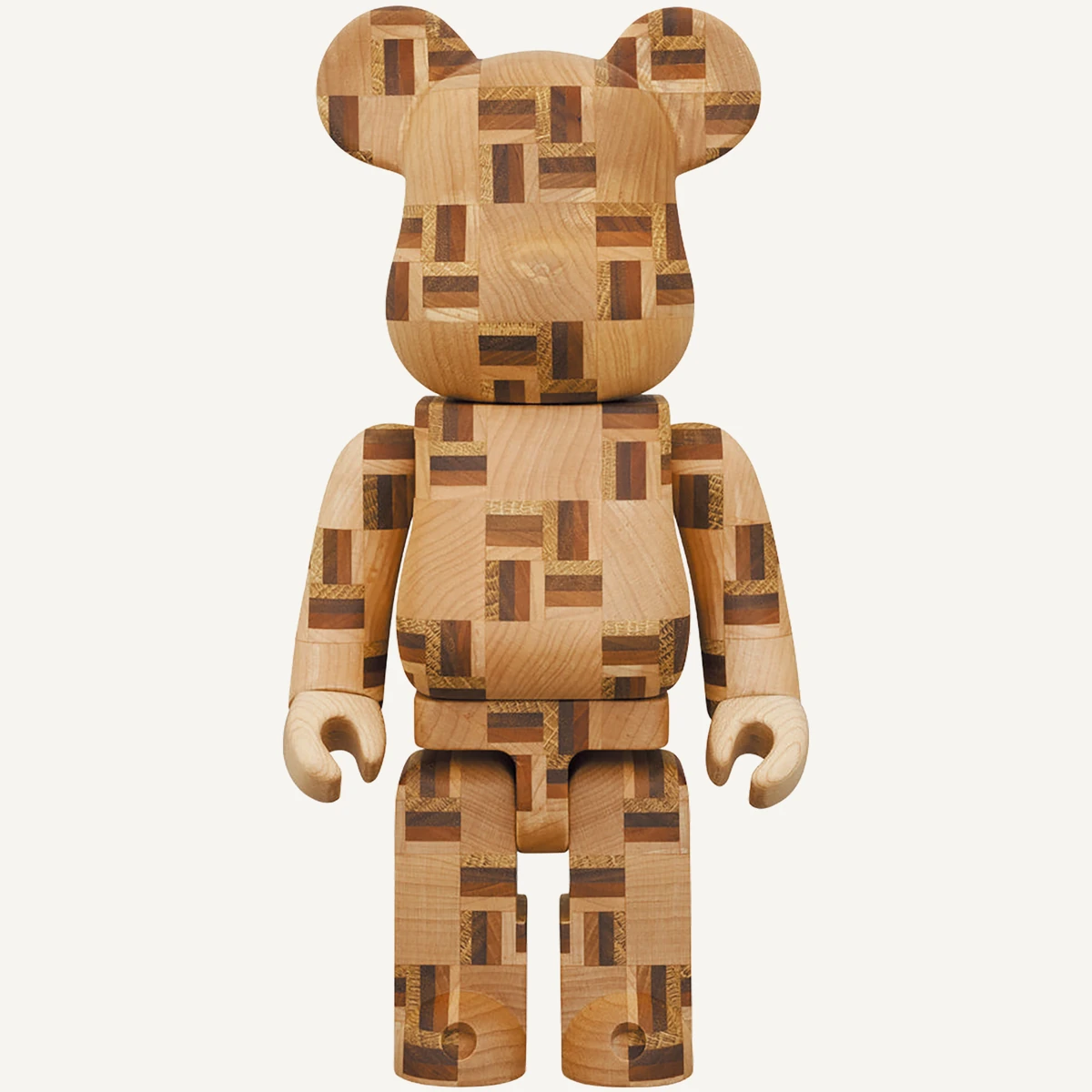
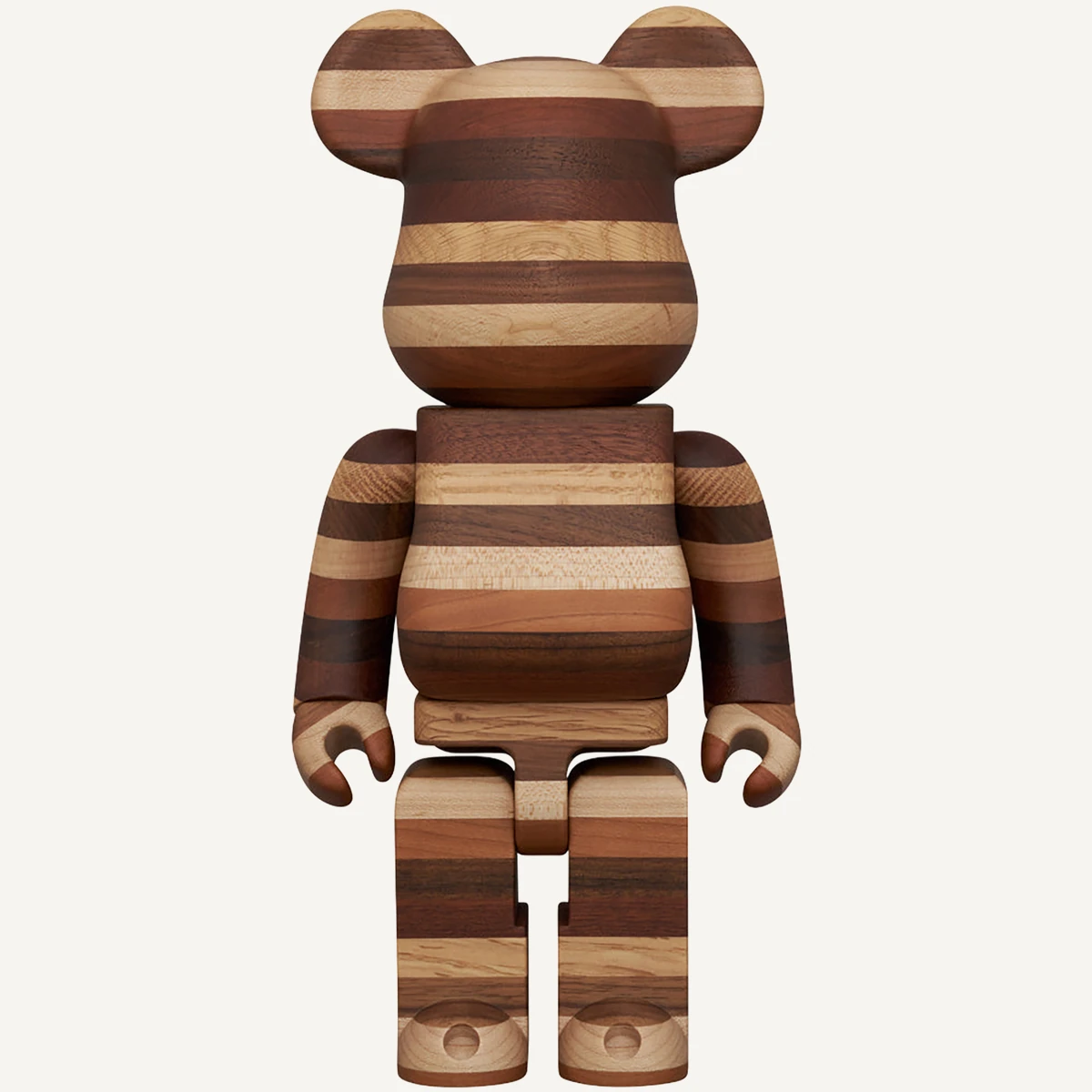
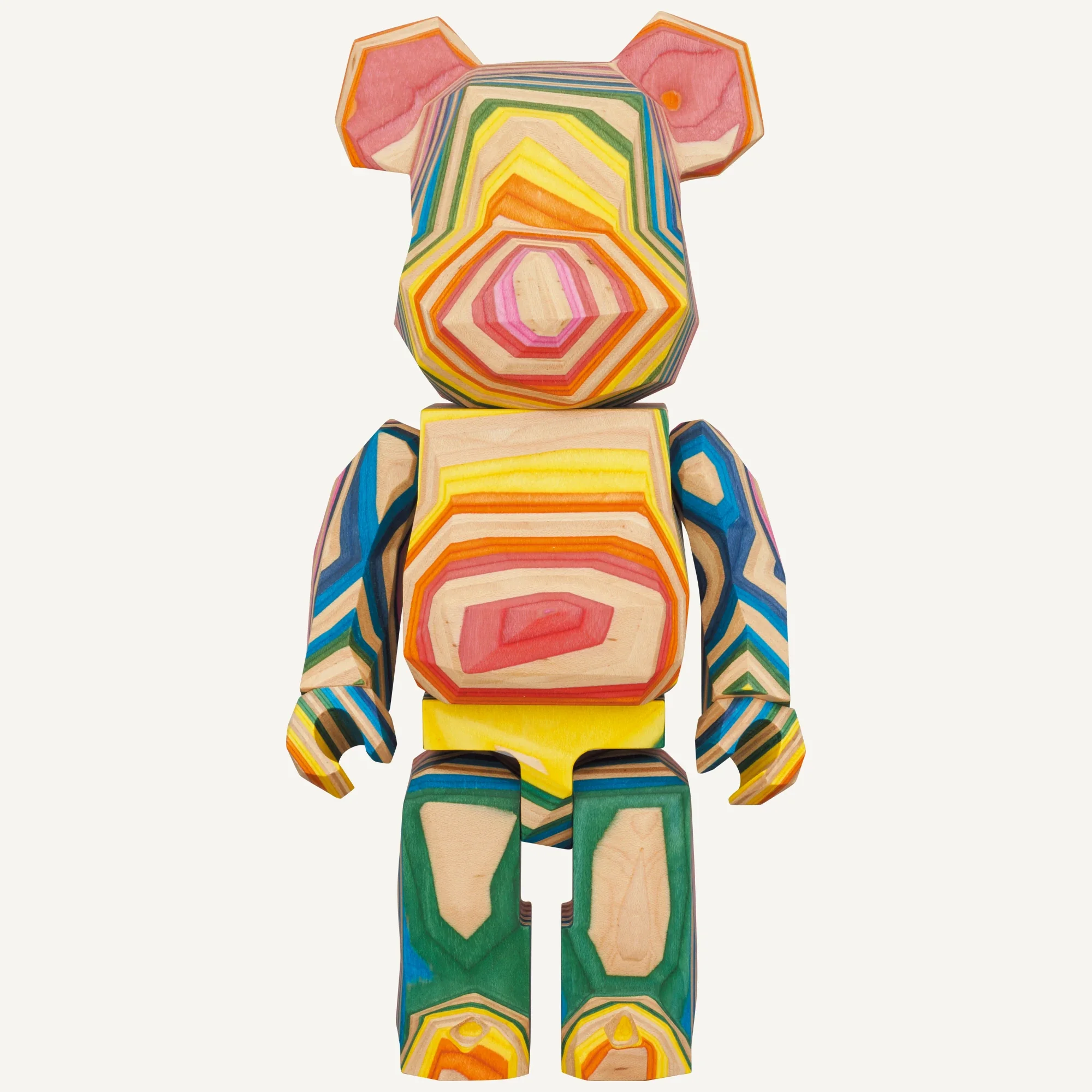
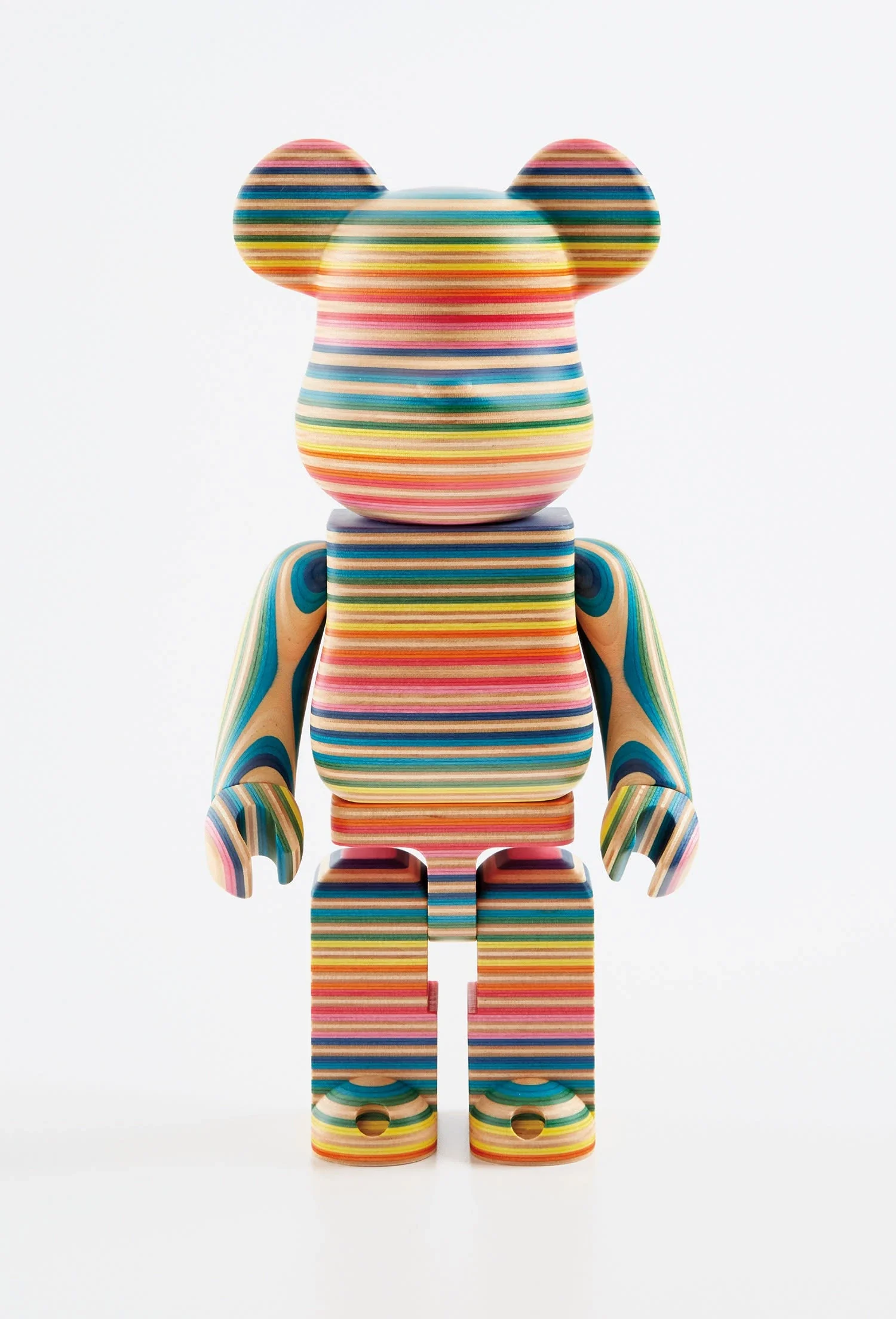
The familiar shape can be realised in very different ways. The official description of Karimoku Maneki-neko II 1000% explicitly identifies wood. Chogokin SORAYAMA belongs to a separate line, with its own construction and scale.
Kutani ceramic figures take another approach. Hakuichi, involved in their decoration, describes movable ceramic parts and the application of metal leaf. Material affects both the making process and the way a surface appears close up.
Technical descriptions therefore add information that photographs alone cannot supply. Shine does not establish a metal body, gold colouring does not establish solid gold, and matching dimensions do not establish matching construction. The specified material helps define the object.
Karimoku: furniture craftsmanship in a smaller form
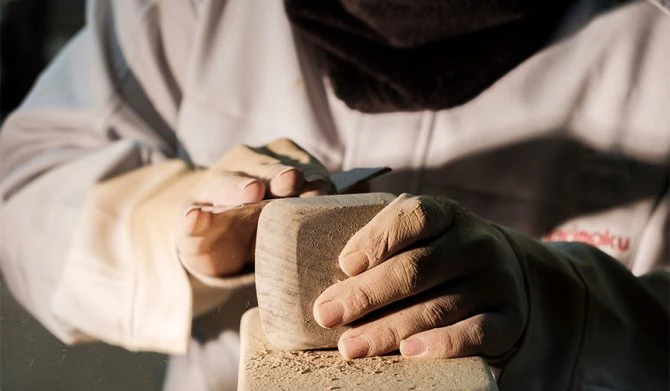
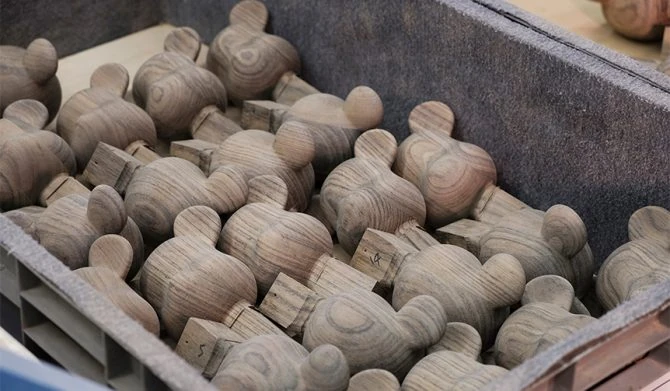
A 2019 report from Karimoku’s production shows a combination of machine operations and handwork on wooden components. A company representative explains how small forms can be more demanding to finish than the completed object might suggest.
This changes the way the figure is seen. An even surface and familiar proportions conceal stages of shaping, fitting, finishing and assembly. The interest of the wooden version lies in how the material becomes a particular form, beyond the simple presence of wood.
These observations concern Karimoku’s production. Other BE@RBRICK lines have their own processes, and a standard series figure should be understood through its own specifications. Those differences are part of what makes the comparison interesting.
Karimoku
Karimoku
A finish can be a project in itself
Decoration can transform an object while retaining its silhouette. For gold-leaf Kutani, Hakuichi describes material selection, sample testing and protective layers. This is a specific manufacturing project, with more involved than a change of colour name.
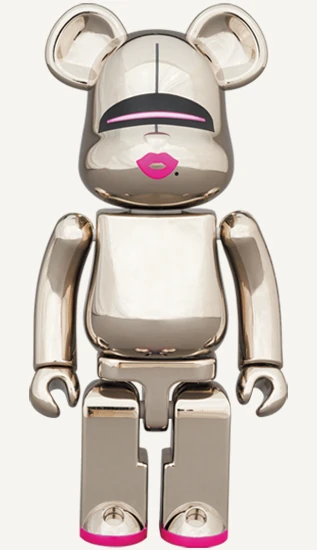
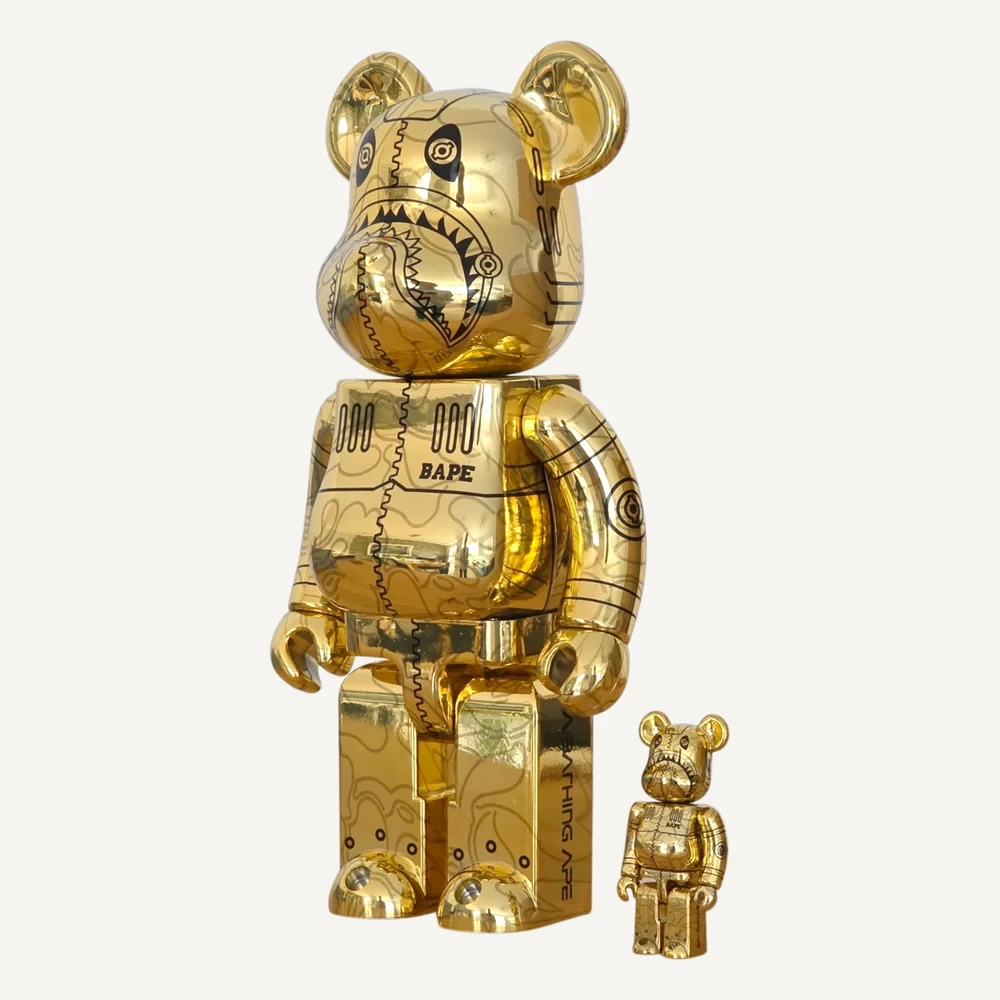
Elsewhere, Chrome primarily identifies a finish. Reflection alone reveals little about the underlying body or any precious-metal content. The full technical description and photographs under ordinary light give a clearer basis for understanding a figure.
Condition also matters when comparing finishes. A broad highlight can conceal handling marks, while heavily processed photography can make a surface harder to judge. A useful overall image and several details reveal more than an emphatic description of shine.
READYMADE × BAPE
Collaboration brings an artistic context
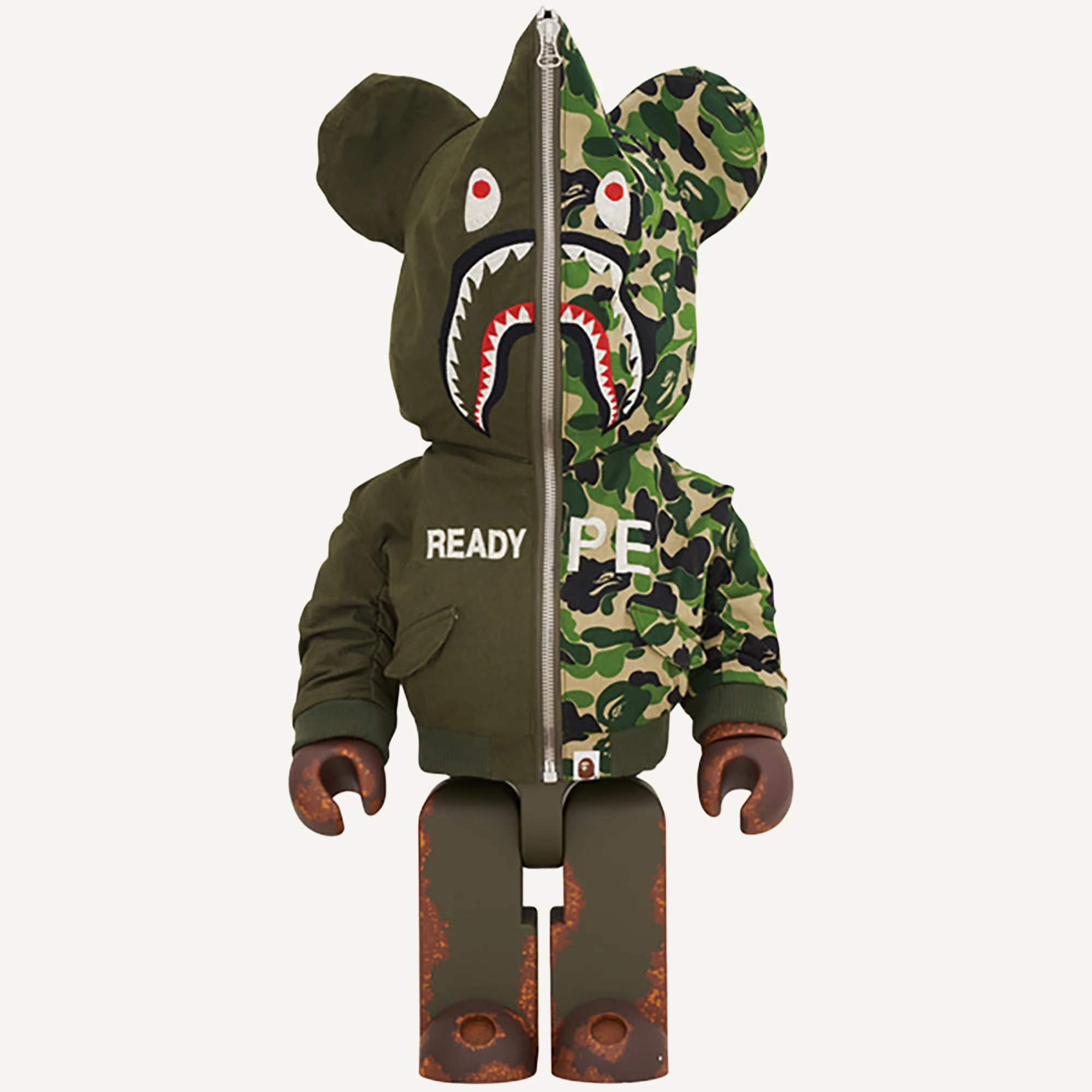
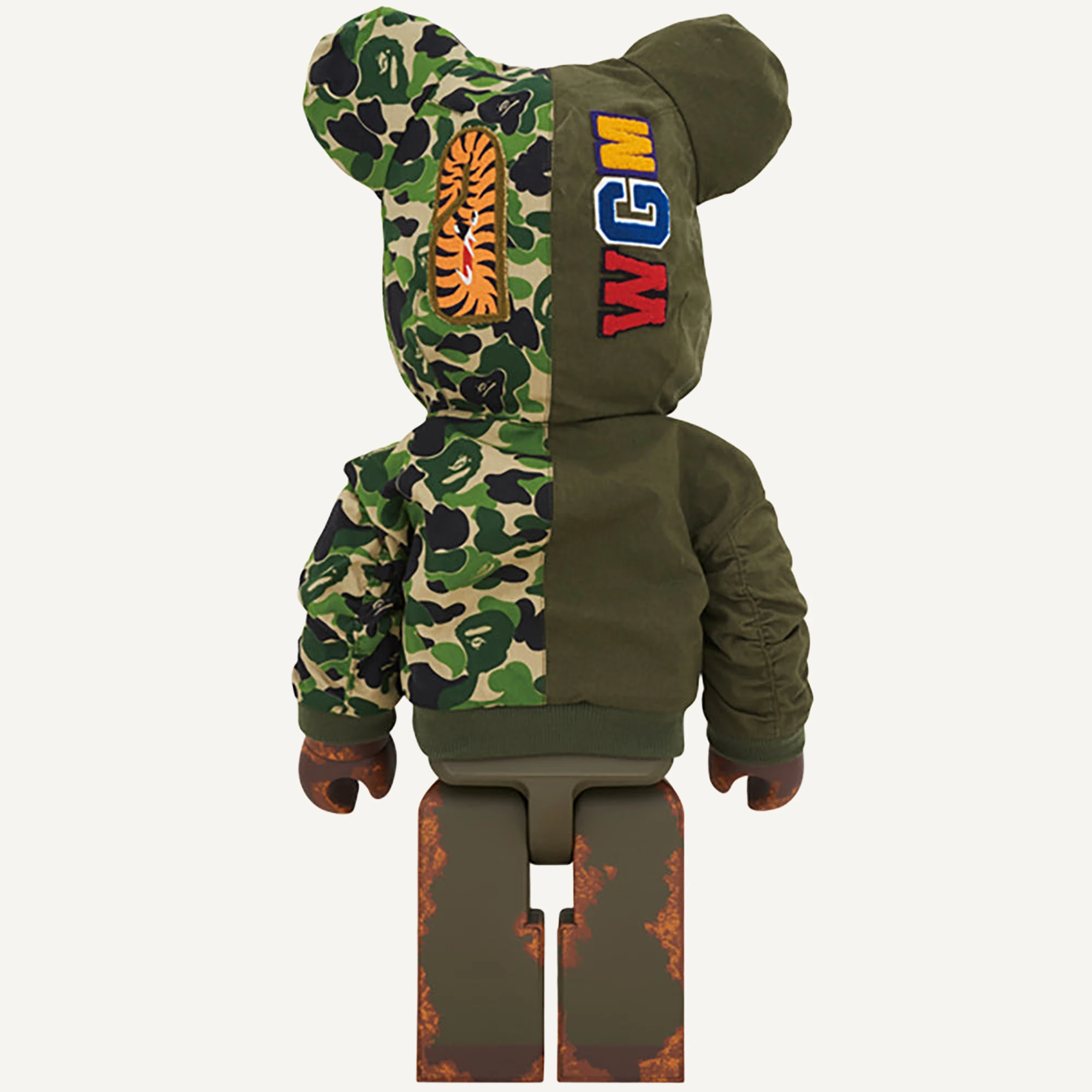
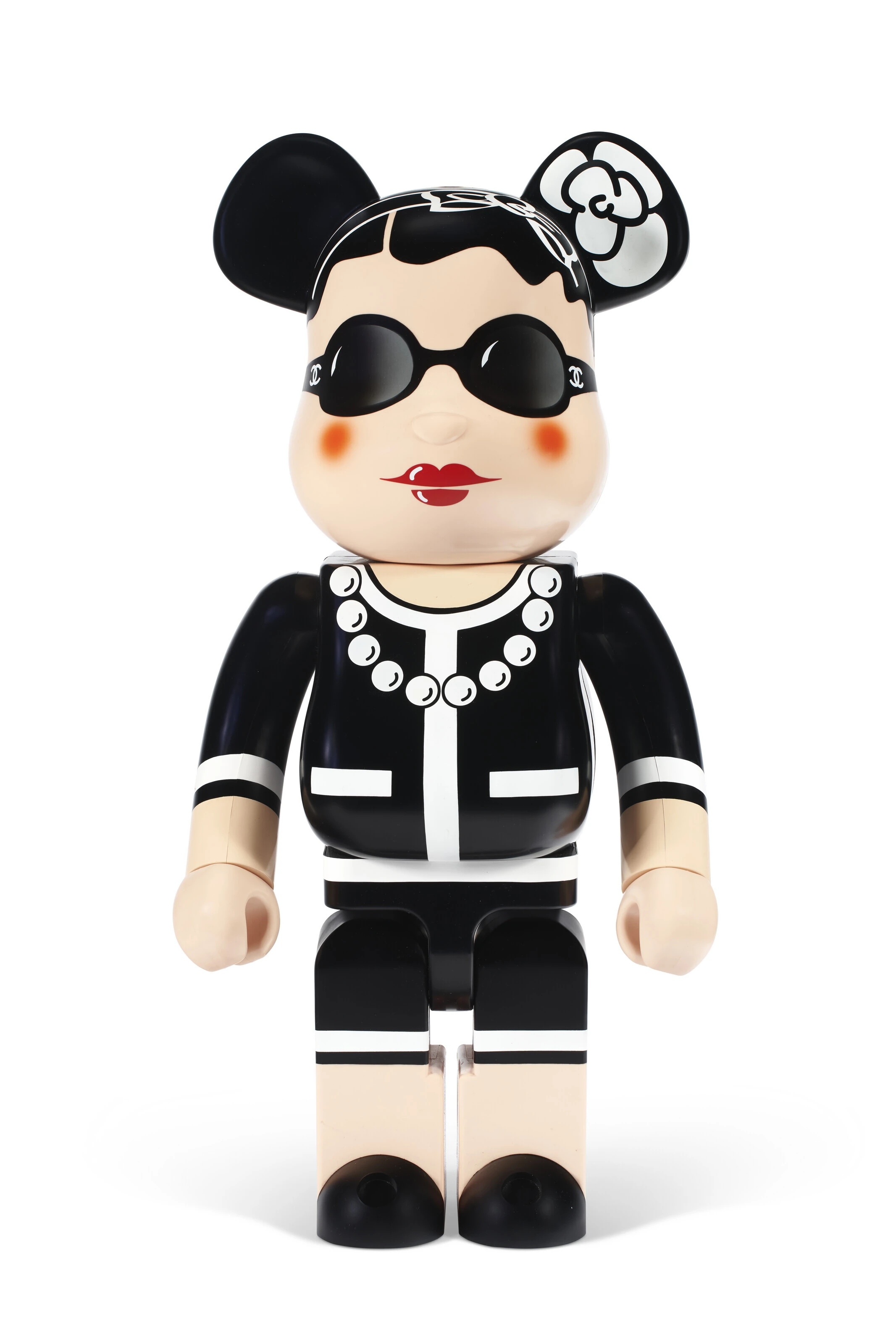
BAPE, Star Wars and Sorayama each have a visual language that meets MEDICOM TOY’s platform. Collectors choose a particular encounter between brands, characters or artists alongside the bear form.
Official project pages identify participants and rights holders. BAPE BOBA FETT, for example, connects BAPE and Lucasfilm. Credits document the collaboration without disclosing its financial terms. They provide no basis for calculating the share of a retail price attributable to licensing payments.
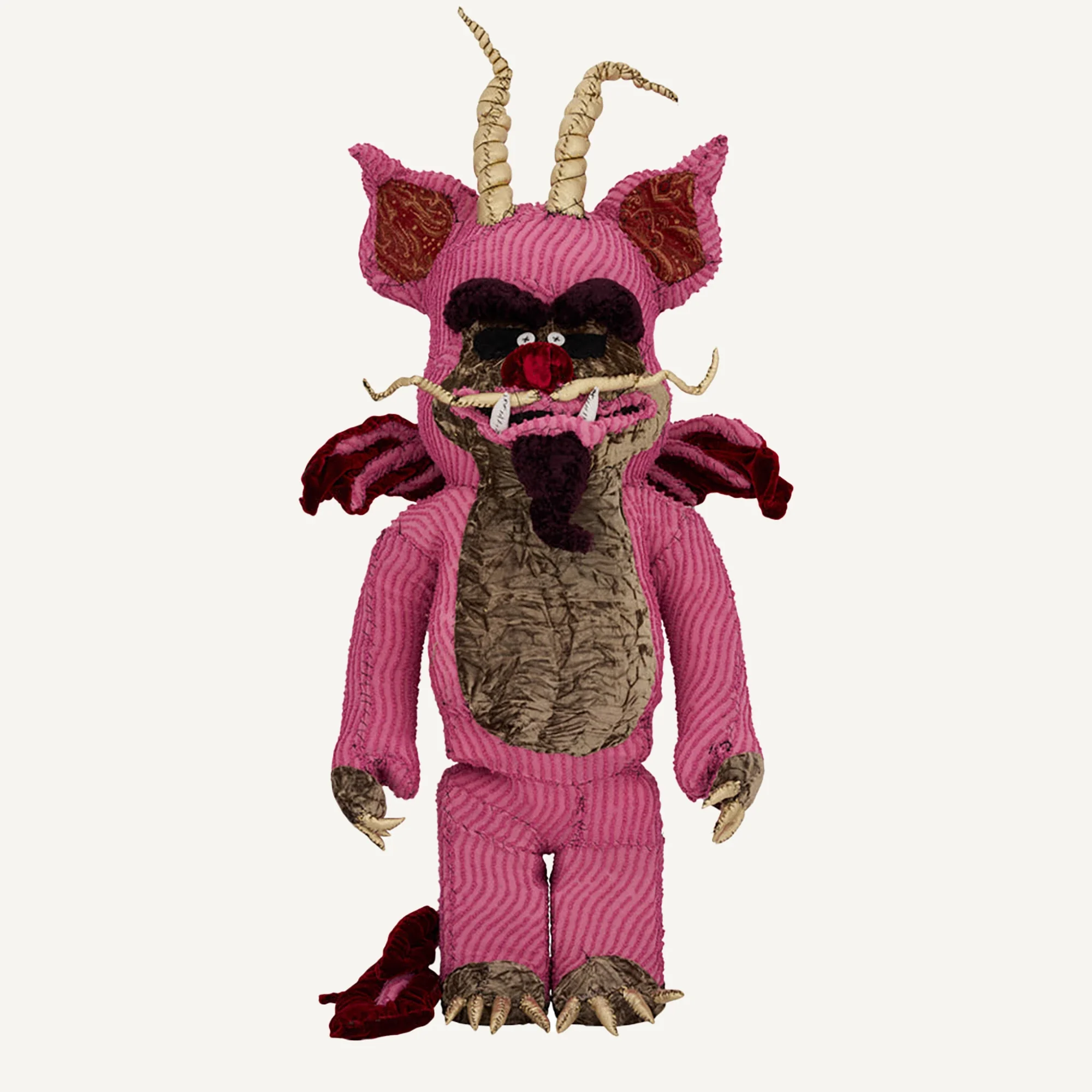
The personal question is more direct: does this interpretation appeal? A connection with an artist or character can give it particular meaning. Someone else may prefer a less familiar motif for its graphics alone. A collaborator’s name offers context while leaving room for individual choice.
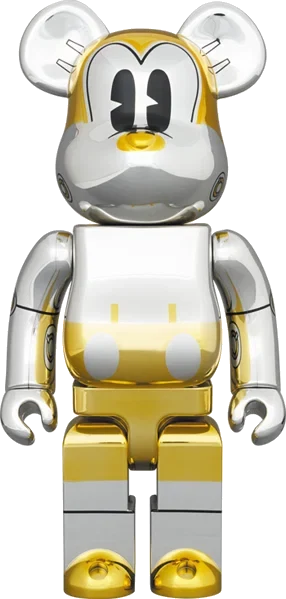
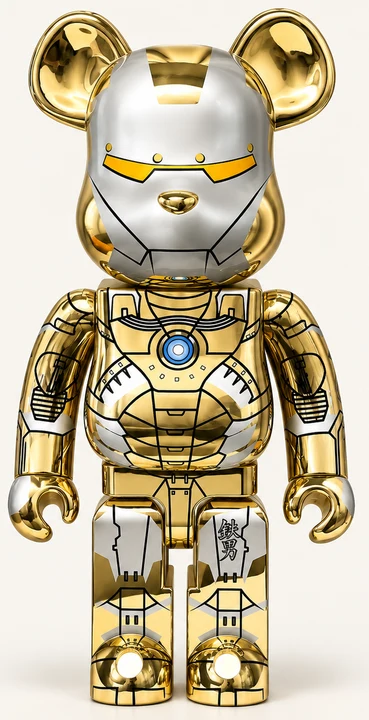
Explore different Sorayama interpretations in our catalogue through Future Mickey 1000%, Iron Man Reverse 1000%, Baby Milo Gold 1000%, BAPE × Sorayama Camo Shark Gold 400%.
Lighting and other release-specific features
SORAYAMA LIGHT Ver. 1000% officially includes an internal lighting unit. The figure can be viewed illuminated or unlit, creating another display option alongside the reflective finish.
The presence of additional components does not reveal their precise contribution to the price. It does help distinguish similar-looking objects. Where a function matters to the choice, establish the contents, condition and manufacturer’s operating instructions.
A feature like this can be the reason a particular version appeals. One collector wants a quiet figure for a daytime setting; another enjoys an illuminated evening accent. A clear idea of how the object will be used adds more to the decision than dimensions alone.
Limited releases and resale
Overall quantities are known for some models. MEDICOM TOY specified eight hundred examples worldwide for the 2010 Darth Vader 400%. Other product pages give only a limited-quantity notice without publishing an exact total.
Original retail describes the conditions at release. A later seller’s offer concerns a particular object, its condition, contents and availability at that moment. An asking price does not by itself establish that someone paid it.
Secondary-market comparisons are most meaningful for the same release in comparable condition. A series’ general popularity does not establish equal demand for every version. Even a documented small edition carries no guarantee of price growth or a quick future sale.
BE@RBRICK
What to establish before buying
Begin with the full name, size, material and set contents. Examine the finish, movable parts and packaging. A light-equipped version calls for a check of its intended functions; a wooden or ceramic figure needs attention to its particular construction.
Keeping photographs, documents and provenance together makes the purchase history easier to reconstruct later and similar versions easier to distinguish. The box contributes to that record while the contents still deserve a close description.
When comparing offers, separate launch retail, a current asking price and a verified completed sale. Clear labels and comparable objects make it easier to understand the number being presented, without requiring an elaborate financial model.
What matters enough for you to pay for it?
A BE@RBRICK’s price concerns a specific object: its format, material, execution and project history. The buying decision remains personal. A large silhouette, woodworking, a favourite artist or a particular character may be what matters most.
Understanding that attraction provides a useful starting point. If the surface appeals, examine it closely. If the collaboration is the draw, identify the release. If the object is intended for a room, find a position where it can be appreciated.
A high price can then be considered through concrete differences between versions. The pleasure of collecting begins where an object is understood and wanted for itself, with expectations grounded in its actual history.
Explore our guides to wooden Karimoku editions, Sorayama releases, open and limited editions and documented BE@RBRICK auction results.