In this article
One blue KAWS in Hong Kong
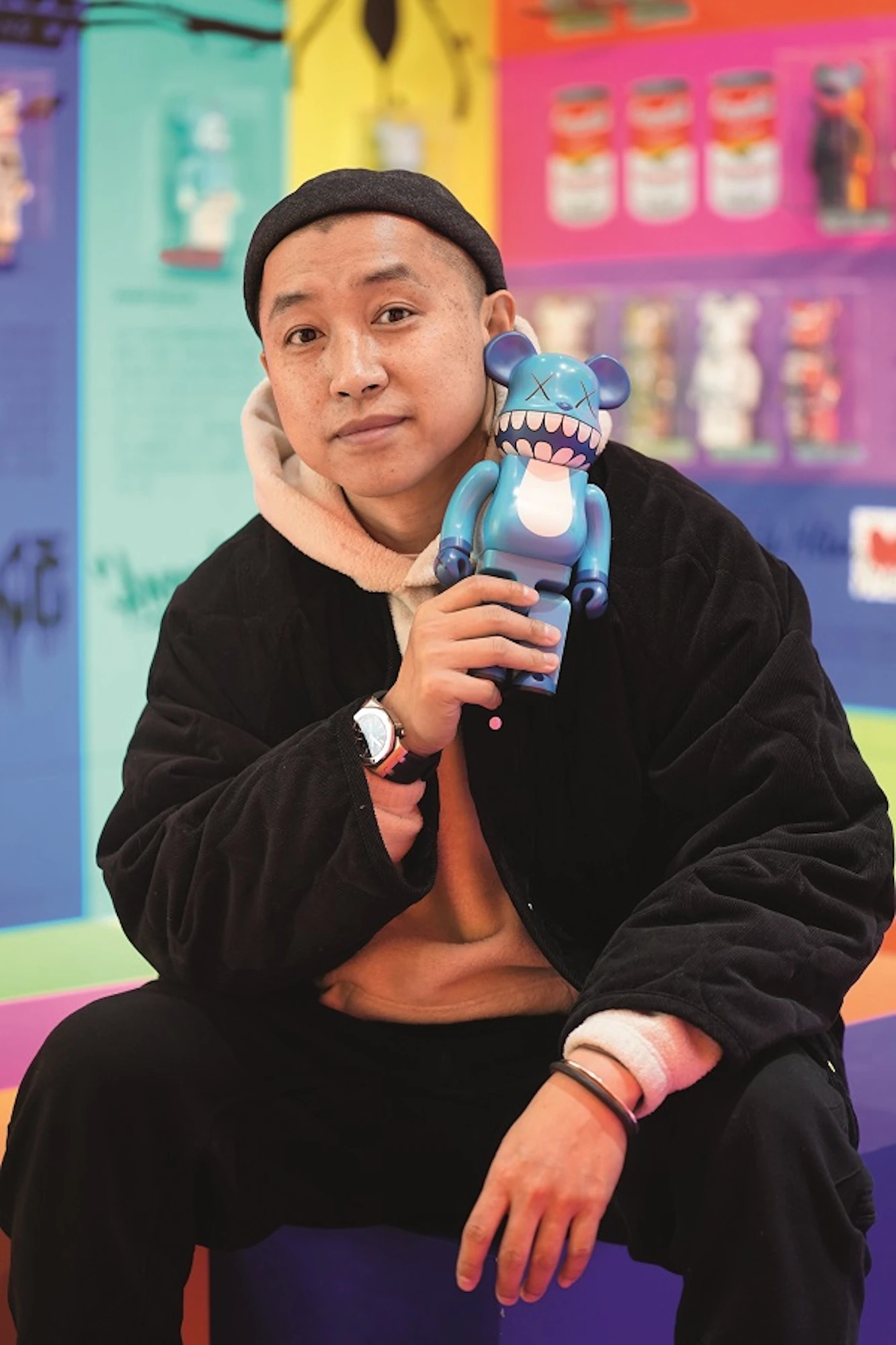
In 2005, Gao Ke bought a blue KAWS 400% in a toy shop in Hong Kong’s Mong Kok district. Esquire China gives the price as HK$900. The record was still far away.
There is an understandable logic to a first purchase like this: an artist already interests you, and a small figure is something you can keep close. BE@RBRICK offers a way into an artist’s world through an object you live with every day. We explore the early collaborations in our BE@RBRICK × KAWS history.
1,008 in the collection, 606 in the exhibition
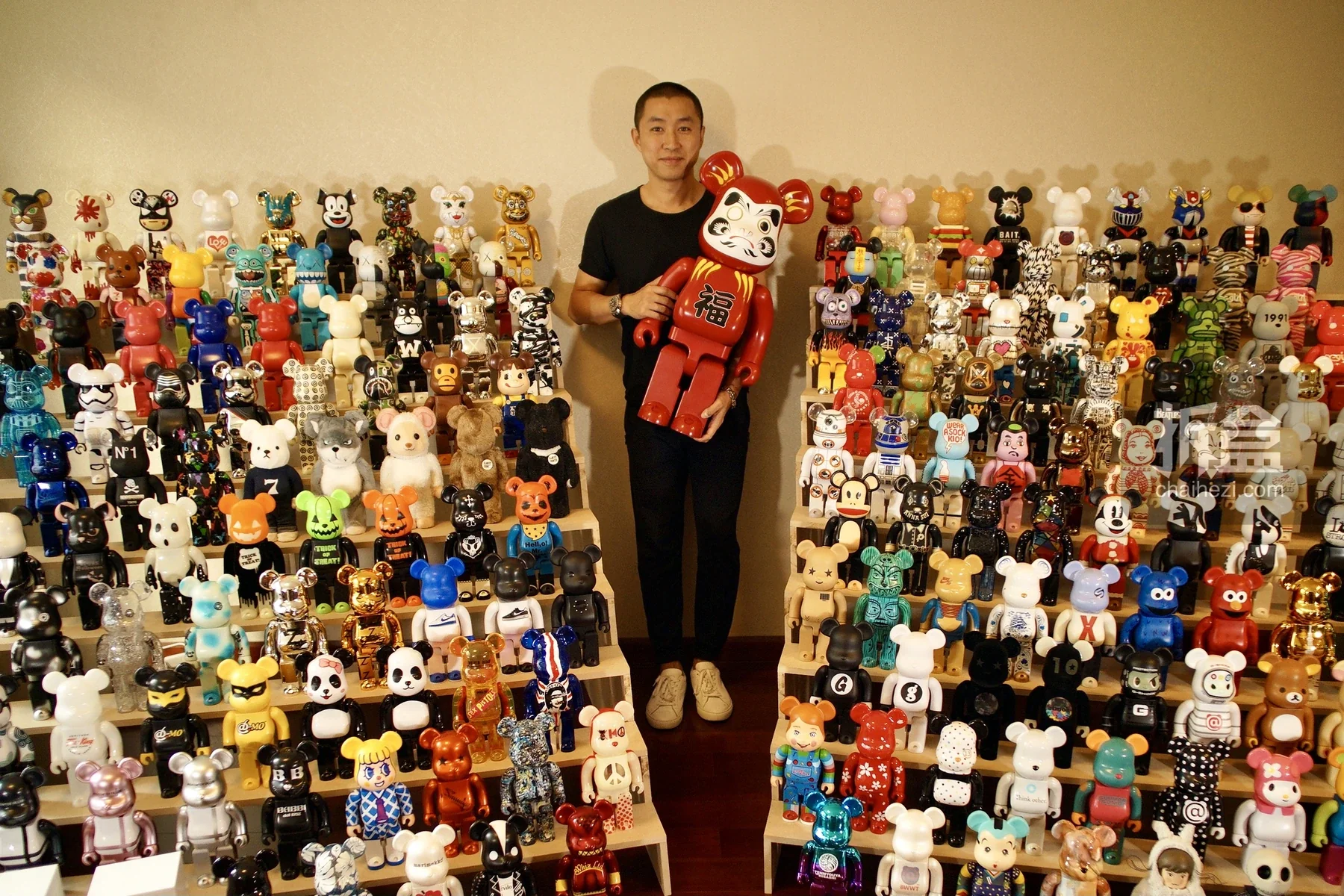
Guinness confirms Gao Ke’s historical total of 1,008 figures in 2020. A report on the certificate presentation dates the ceremony to 20 December 2020, at the exhibition opening in Beijing.
The exhibition title contained a different number: “熊山熊海——高可和他的606支熊” — Gao Ke and his 606 bears. This was a separate selection of 400% figures, rather than the entire record tally. The distinction matters: the size of a collection and the contents of one exhibition answer different questions.
The record has since changed hands. The current public Guinness entry names Daniel Park: 3,482 figures, 4 March 2026. Gao Ke’s story belongs to an earlier chapter, rather than today’s first place.
Why you do not need every release
In a 2021 interview preserved in a Singapore news archive, Gao Ke described moving from trying to collect every new release towards more personal choices: artists, museum collaborations and different materials. The 400% size particularly interested him.
Choice is what makes a large collection legible. One person collects the music and films of their childhood; another follows a particular artist; a third explores different approaches to materials. With the same underlying shape, a change in idea becomes easy to see: instead of seeking a completely new object each time, you can compare different responses to one brief.
It helps to choose your scale early. The 400% and 1000% sizes need different amounts of space, which affects both how many pieces you buy and what you can see on the shelf. Our guide to art toys at home looks at finding a place for them.
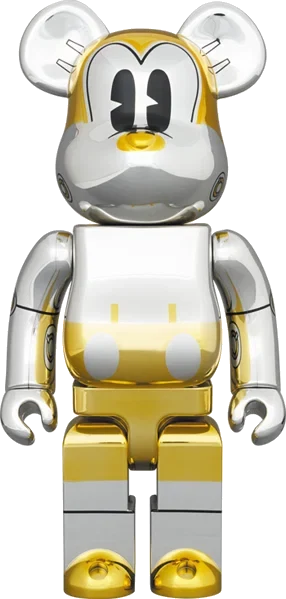
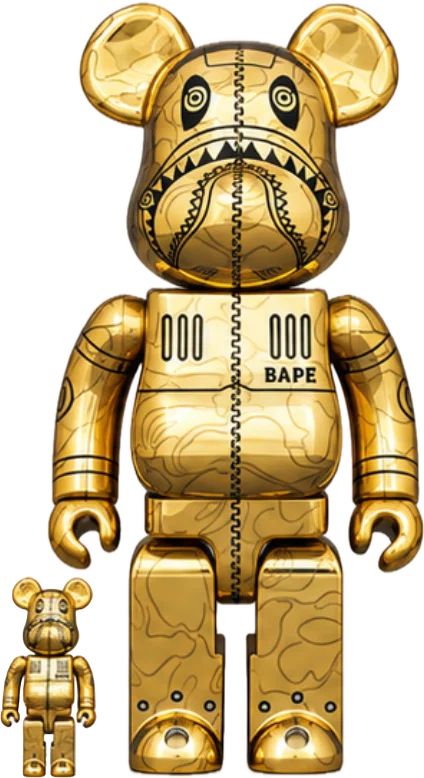
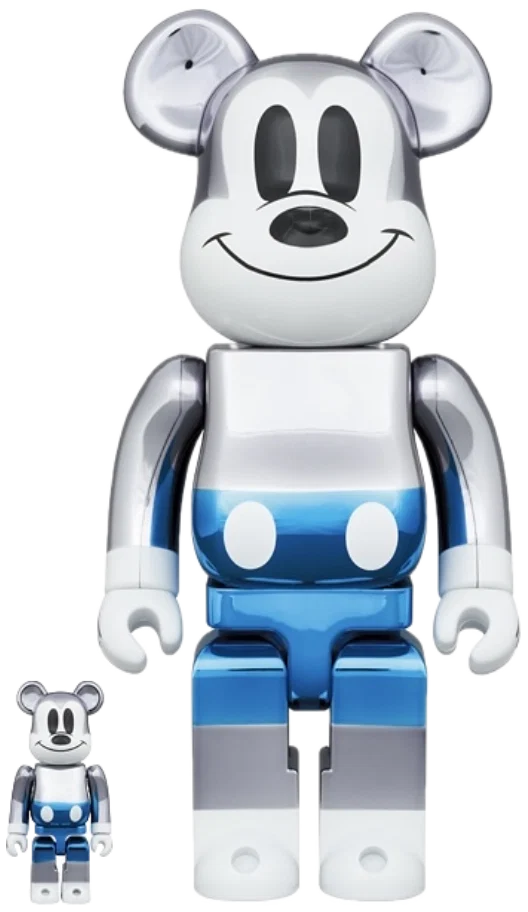
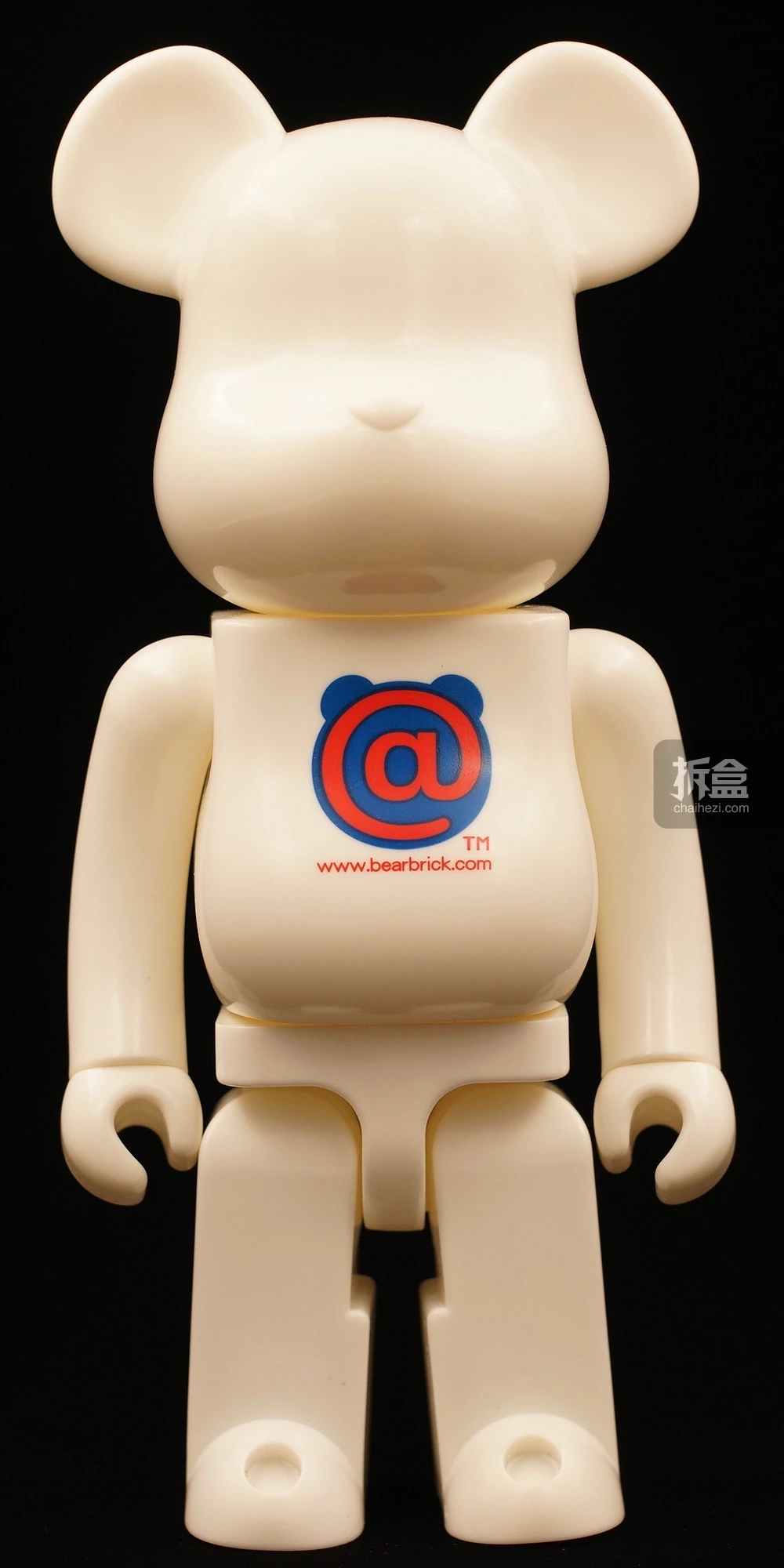
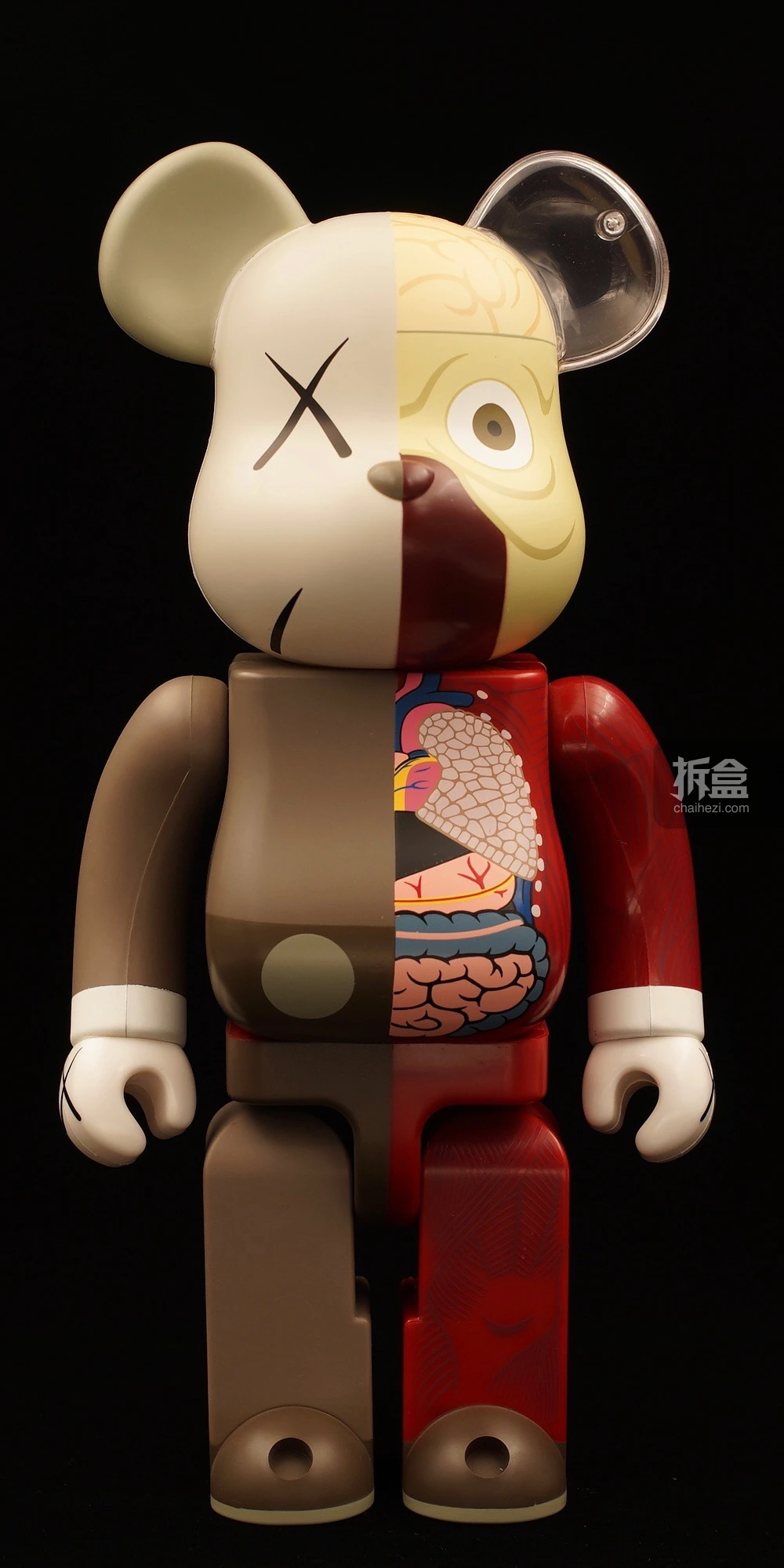
One shape, different designs
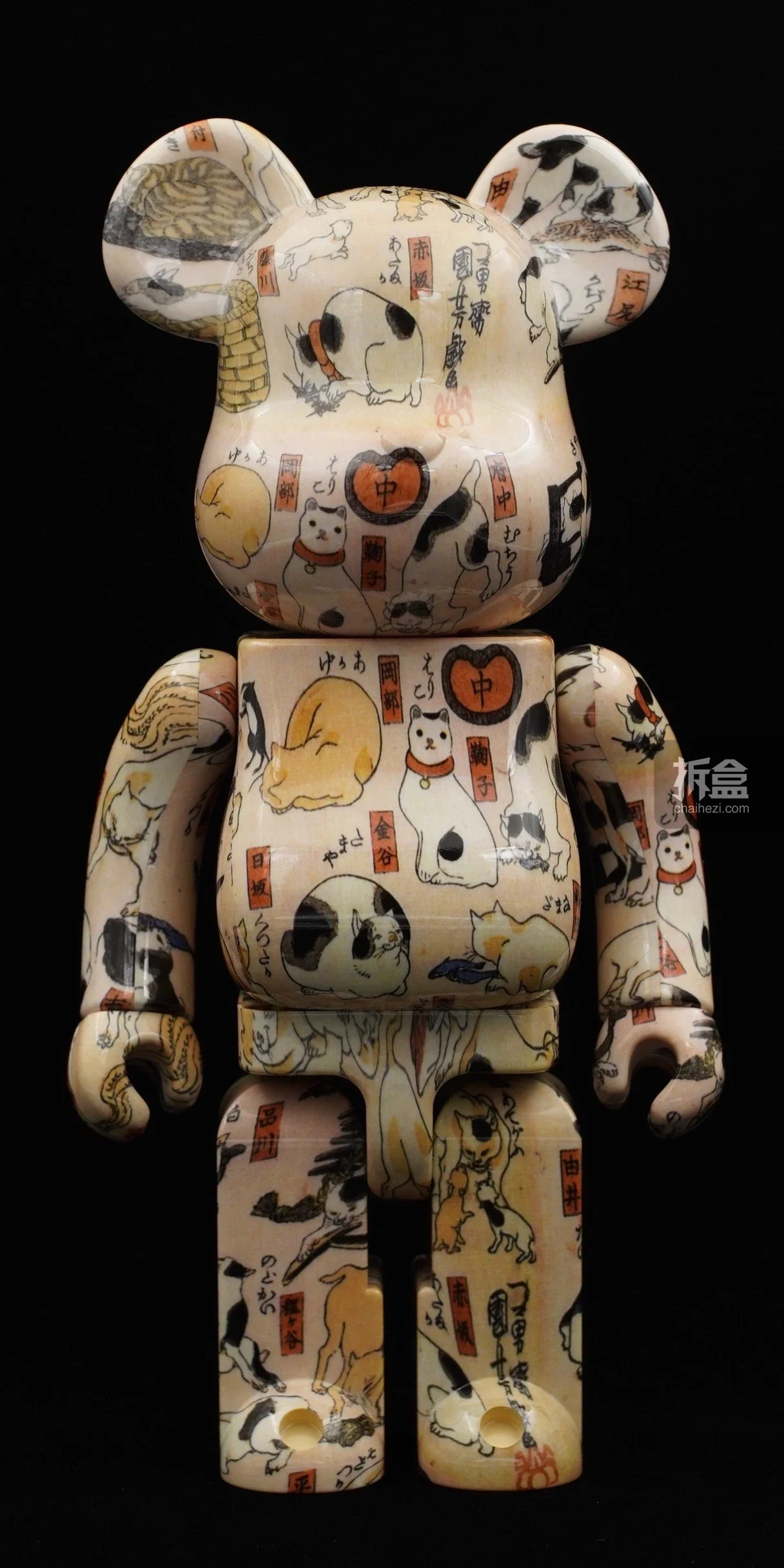
How the collection became an exhibition in 798
ART31 and Yidian organised the exhibition in Beijing’s 798 art district. Media partner Chaihezi’s announcement lists eight themes, ranging from film and music to sport and art.
This arrangement makes sense even to visitors with no collecting experience. Film leads to a familiar character, music to a cover or performer, and art to a recognisable image. Each object gains context, and a long line of bears becomes more than a quantity.
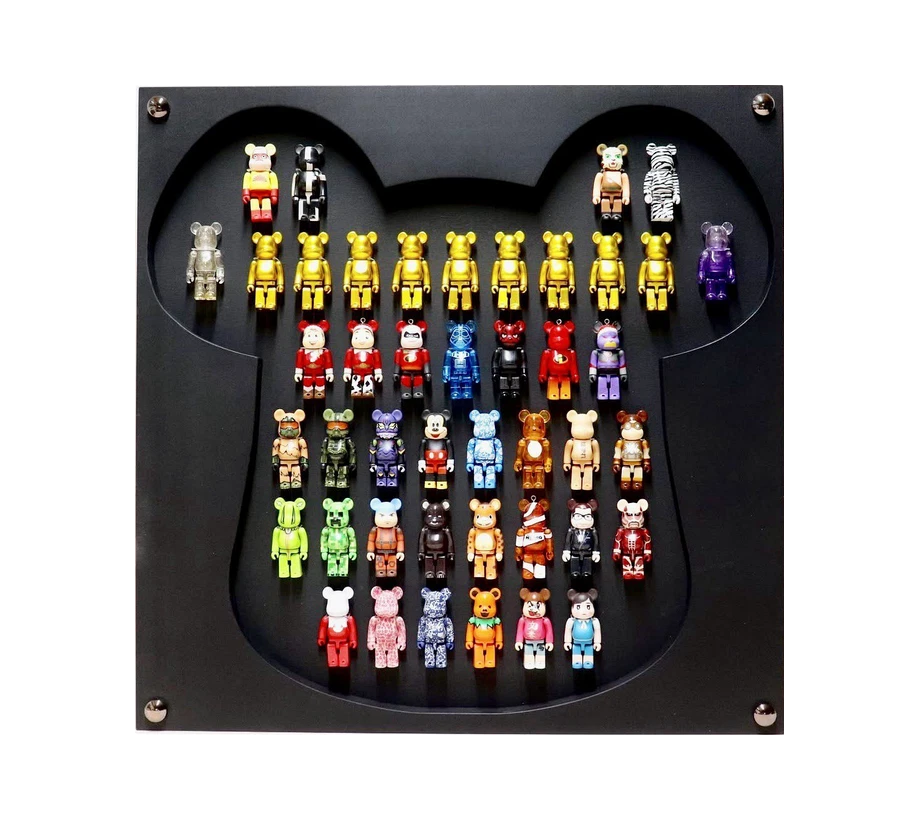
The exhibition also appears in Visit Beijing’s archived listings. This was a historical project spanning 2020–2021. The collection photographs in this article appeared in its announcement before the opening.
Explore the collection selections
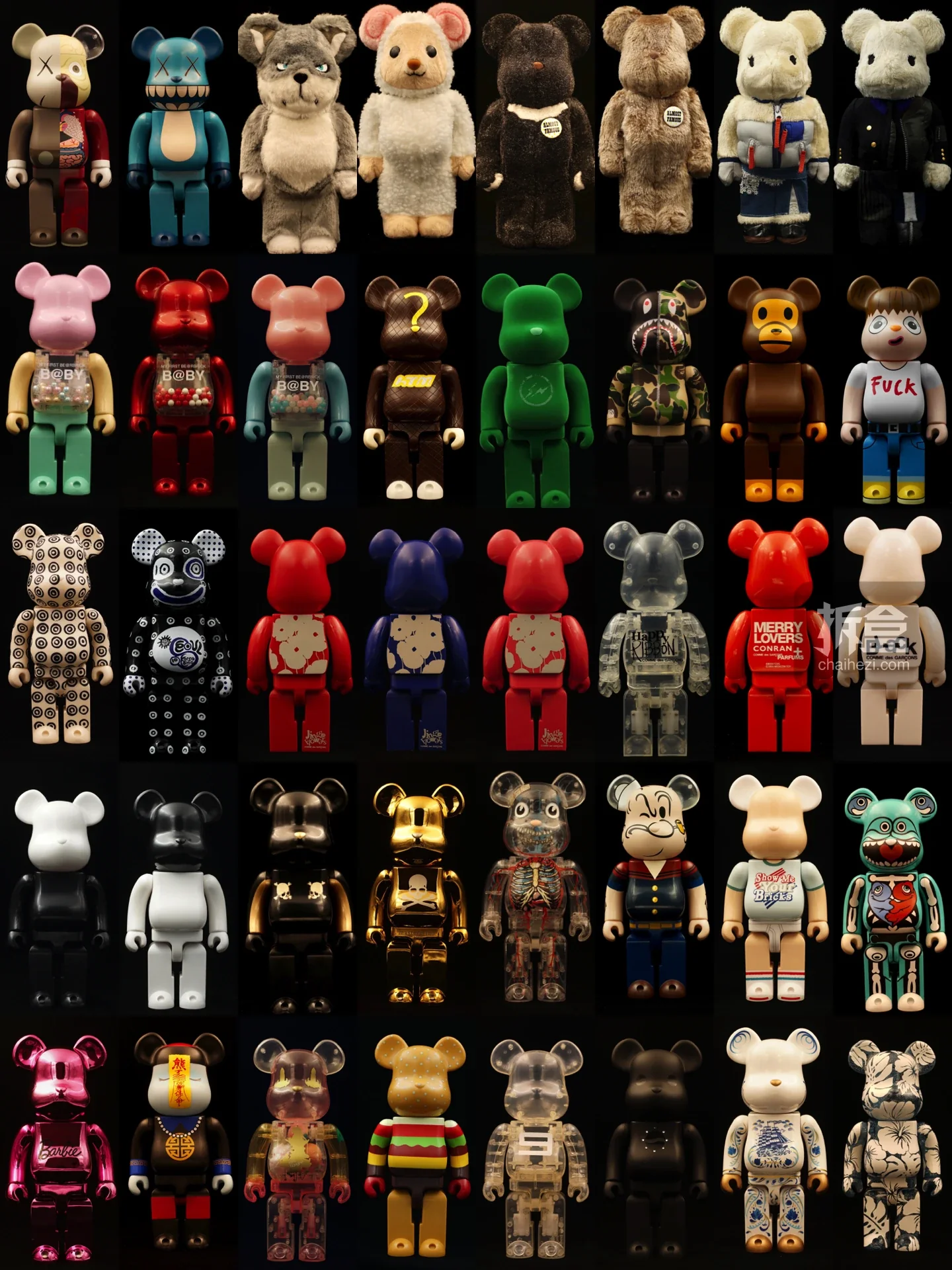
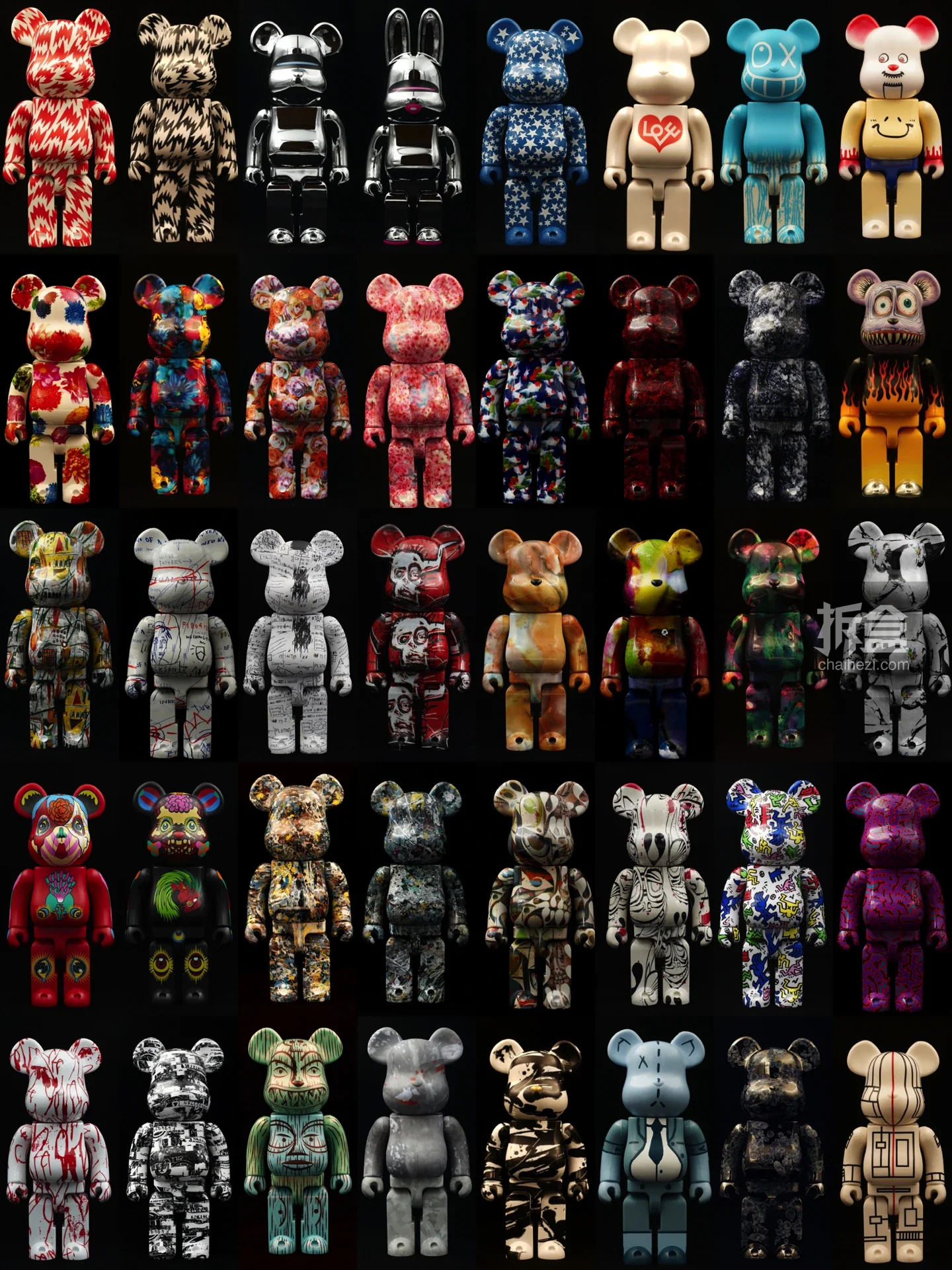
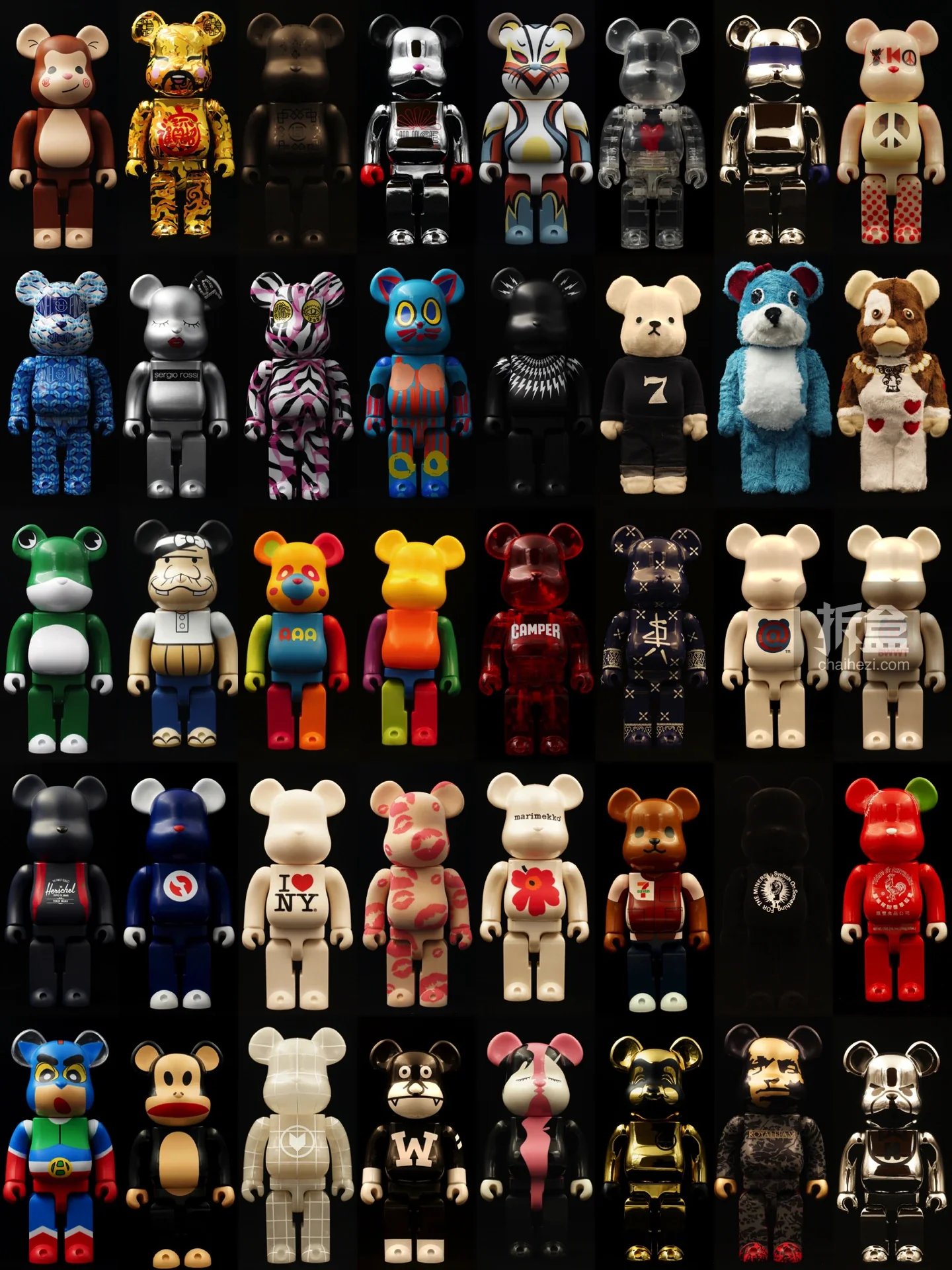
How to show a large collection
In the collection photographs, start with the overall view before zooming in on individual figures. The repeated silhouette establishes a rhythm: your eye reads the rows quickly, then begins to notice colour, pattern and texture. A quiet background makes it easier to navigate dozens of different designs.
There is a simple approach here for a collection at home: group a few objects around one clear connection. Place works by the same artist together, for example, or bring together a small group by colour. When every shelf tries to show everything at once, it becomes hard for any one figure to hold your attention.
The announcement also describes a staged “director’s hut”. This was an exhibition concept, rather than evidence of what Gao Ke’s actual home looks like.
At home, you do not need to recreate an entire museum wall. Begin with a shelf or a single group, leaving room to view the figures from several sides. Planning space for a collection to grow is more useful than later placing new objects in front of those already there.
When you want a personal story, rather than another release
In his Esquire interview, Gao Ke discussed figures reworked by artist friends. These customs differ from official MEDICOM TOY production releases.
It is an interesting turn for a collector: from looking for a finished object to considering what that object might express. Buying only the name on the box is no longer enough. You want to know who conceived the design, and why it appeared on this particular form.
What to take from this story for your own collection
There is no need to chase a thousand figures. Three questions are more useful: what subject do you want to explore, how much space are you willing to give it, and what will still feel like a good purchase in a few years?
You can begin with one direction and a few objects that work well together. Keep the release listing, photographs, receipt and seller details. Your collection will gradually acquire a small archive of its own: a record of exactly what you have, when it was released and where it came from.
For older and expensive pieces, check condition and provenance separately. We have brought together comparisons of authentic and counterfeit BE@RBRICK, covering everything from proportions and printing to different security systems.
Gao Ke’s collection is interesting at two distances. From afar, you see its scale; up close, you see individual choices. For a new collector, the latter is enough: a few objects, each with something worth talking about.
Find your format
Explore different scales in our BE@RBRICK 400% and BE@RBRICK 1000% categories. If the material itself interests you, read about wooden KARIMOKU BE@RBRICK, where material defines the character of the object.