In this article
What you are buying beyond the object
Art investment starts with a personal choice: which work would you like to live with? If future value also matters, three more questions follow. Exactly what is the object? What supports its price? Who might buy it from you, and on what terms?
A collectible can hold several kinds of value at once: an artistic idea, release history, workmanship, rarity and interest from other buyers. Money from a sale only materialises when someone buys your particular example. Until then, rising asking prices remain an expectation.
For a first purchase, it helps to separate two aims: choosing a piece for your collection and assessing the possibility of resale. They can align. It is a good sign if you still like the object after setting aside promises that it will appreciate. The piece itself pays no interest or dividends; its financial result becomes clear when you sell, after expenses.
Designer toy, sculpture or print: each has its own market
At ArtComBuro, these categories sit alongside one another: KAWS, BE@RBRICK, objects by Hajime Sorayama and prints by Takashi Murakami. A famous name on two objects, however, does not make their prices directly comparable.
| Format | What you are choosing | What to check carefully |
|---|---|---|
| Designer toy | A specific character and release, colour, size and manufacturer | Authenticity, completeness, condition and sales of that version |
| Sculptural object | A particular work, material, scale and production process | Edition information, markings, surface condition and construction |
| Original print | A separate work of editioned art | Printing technique, publisher, full edition, signature and condition of the sheet |
| Unique painting | A one-of-a-kind work | Attribution, provenance, condition and comparable works by the artist |
Unique paintings help put the differences between formats in context. Here, the focus is on the objects you can explore in our KAWS, BE@RBRICK, Takashi Murakami and prints sections.
A Flower cushion, a signed Murakami print and one of his sculptures may share the familiar flower motif while belonging to different categories. The same applies to a small vinyl KAWS figure and a large bronze work. They share an artistic language, rather than a single market price.
KAWS and BE@RBRICK: identify the exact release
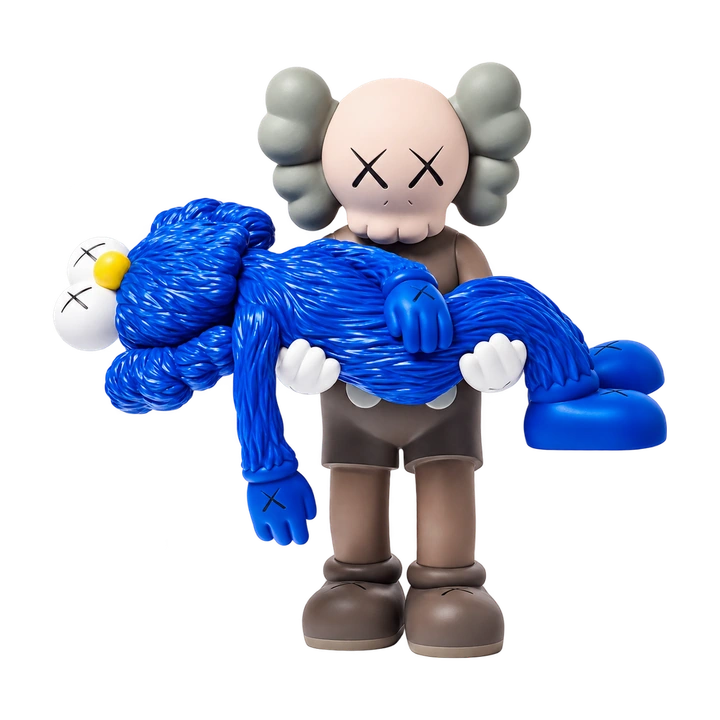
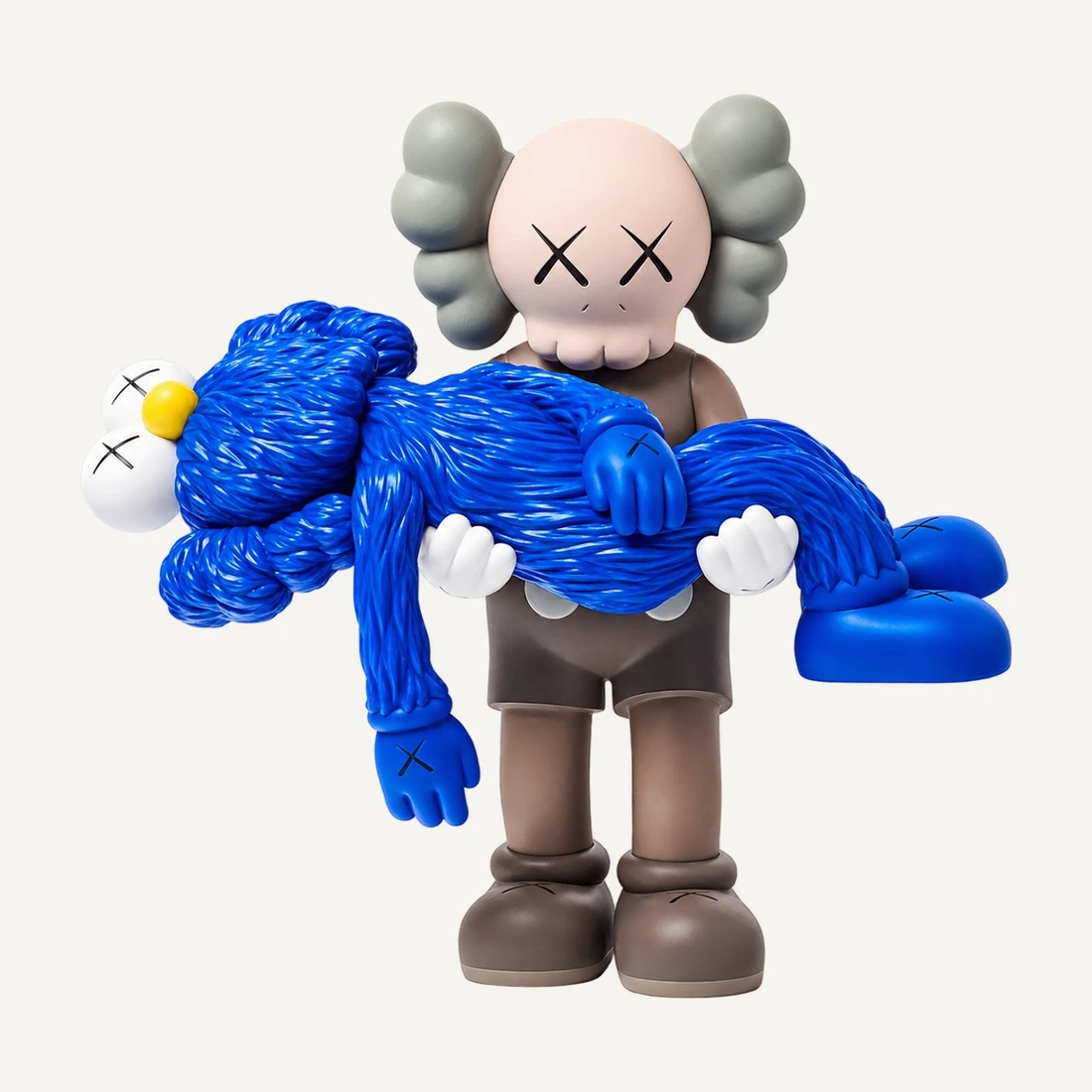
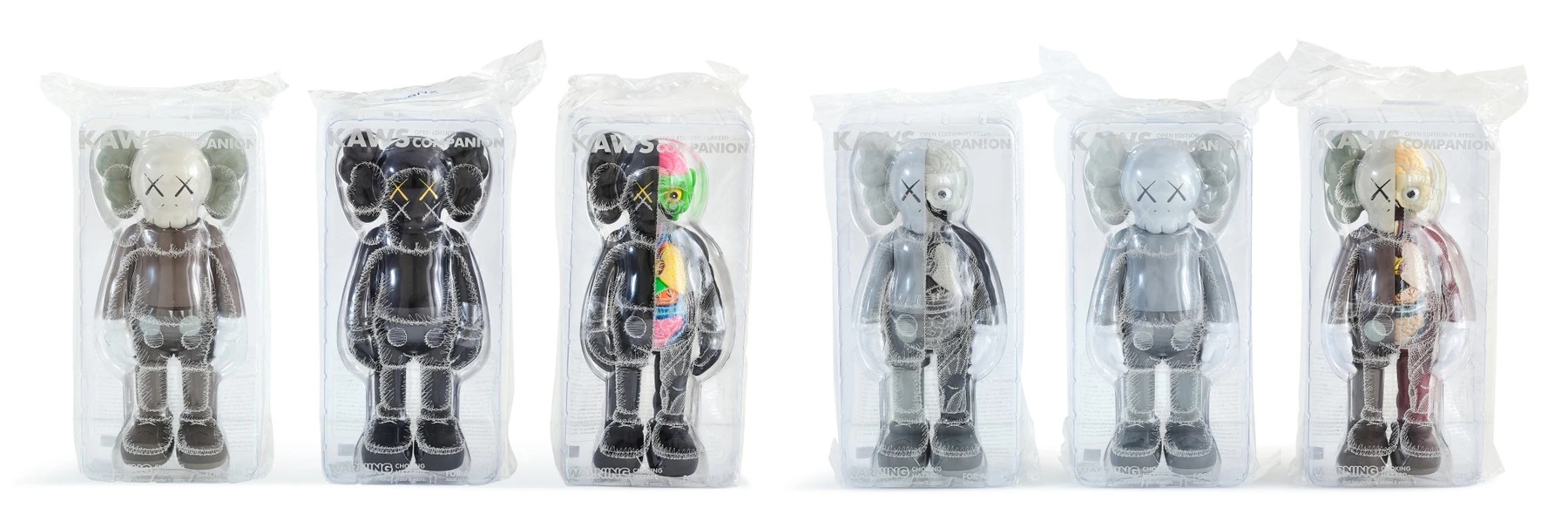
With KAWS, the character’s name is only the start of the description. GONE, FAMILY and COMPANION exist in different formats; individual releases vary in colour, material, scale and production history. Comparisons need to be between equivalent objects of the same name, rather than any object with crosses for eyes.
For example, KAWS GONE Brown Blue in our catalogue is a vinyl release from 2019. Relevant comparisons should match its format and colourway. The auction result for a wooden Companion or a large sculpture does not automatically explain its price. We cover expensive and rare KAWS works separately; here, those results help distinguish different market segments.
Two collectible formats
For releases without a predetermined final edition size, it also helps to understand what open edition means. An unknown production quantity should not be replaced with an arbitrary claim of rarity.
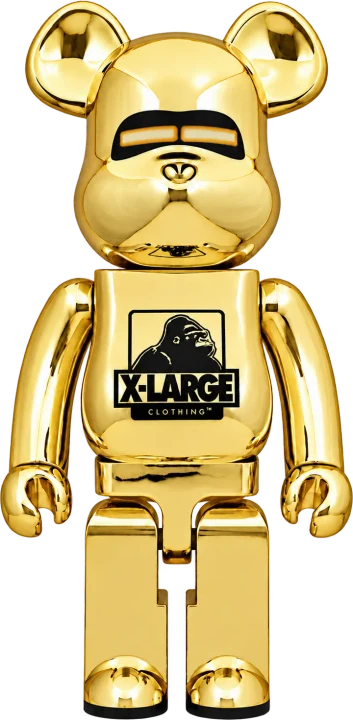
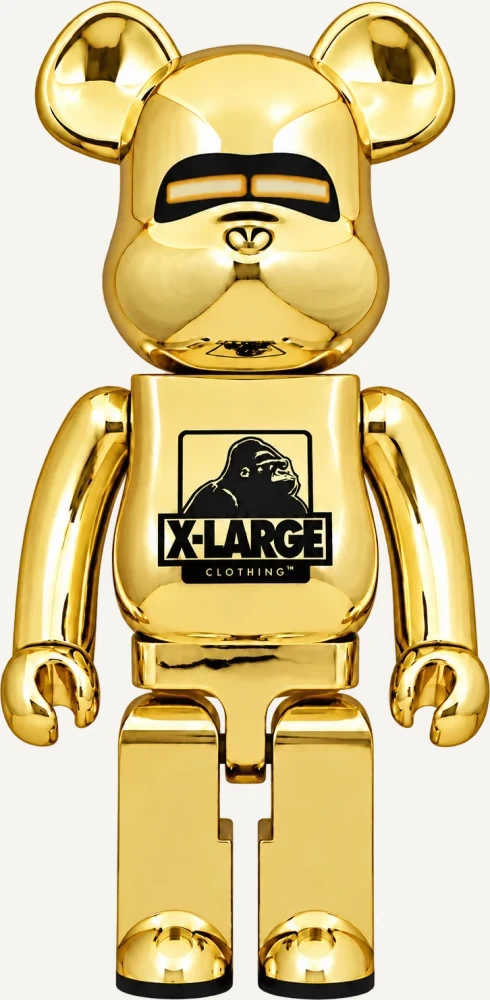
With BE@RBRICK, the collaboration name, version and material matter just as much. The labels 100%, 400% and 1000% indicate scale, not the number of figures made. A version number is not an edition size either. If the manufacturer has not disclosed the production quantity, the percentage in the name is no basis for saying there are “only a hundred”.
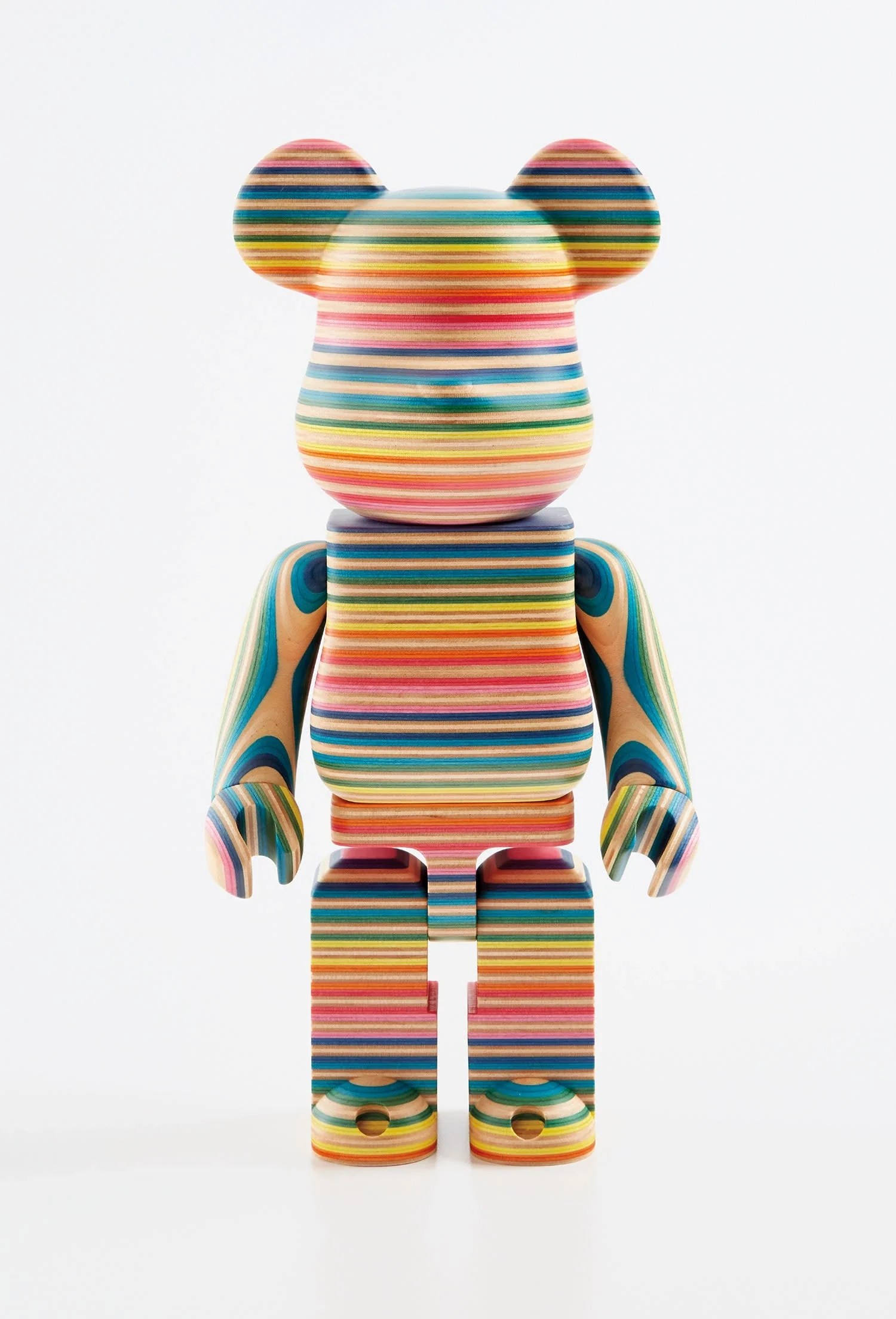
The XLARGE × Hajime Sorayama Gold 1000% has a striking gold-coloured surface. That describes the finish; it does not mean the figure is cast in gold. A wooden Karimoku or pewter Royal Selangor involves a different production process. Materials and workmanship help explain the initial price; resale prospects also depend on demand for the particular release.
Sculpture: material and size are only part of the picture
With sculpture, start by reading the description literally. Bronze, vinyl, resin, wood and a metallic coating are different things. A similar silhouette in a photograph gives no basis for applying the price of one material to another.
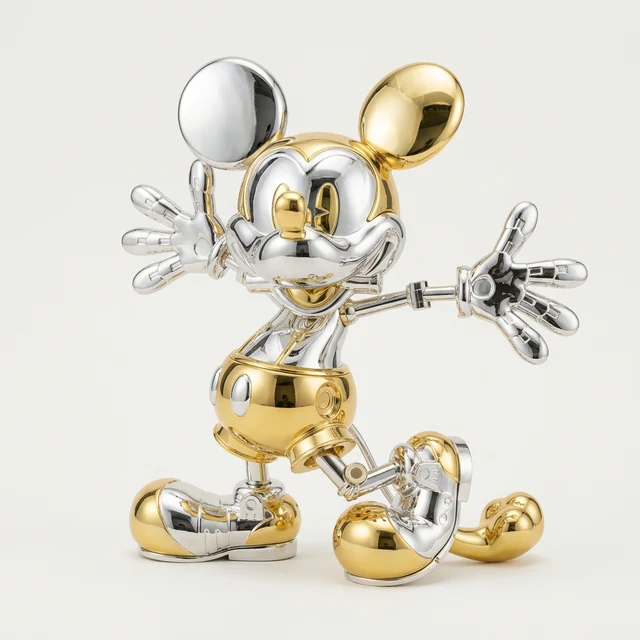
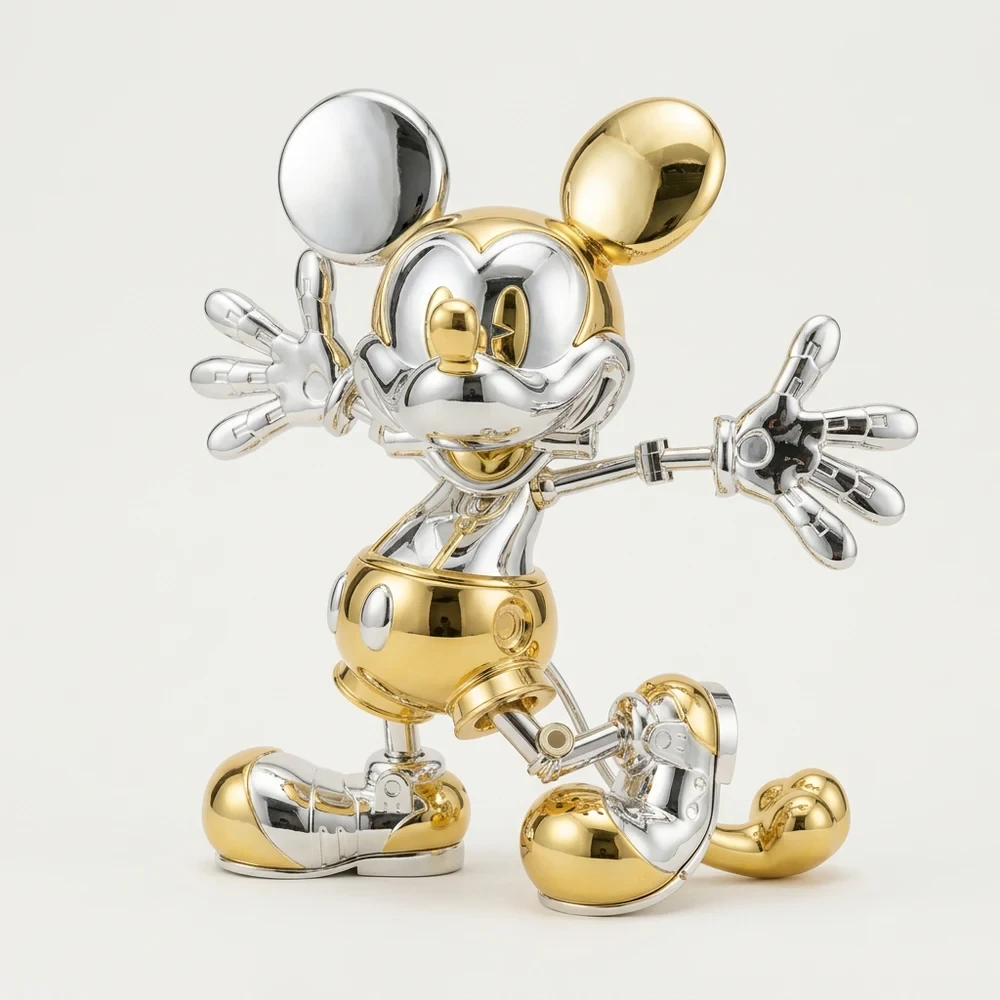
Sorayama × Disney Mickey Mouse NOW AND FUTURE in our collection is described as sofubi / mixed media. It deserves to be considered as a collectible object with its own production history. It should not be presented as a bronze sculpture or valued against a monumental Sexy Robot result simply because both are connected with Sorayama.
Sorayama: different objects and editions
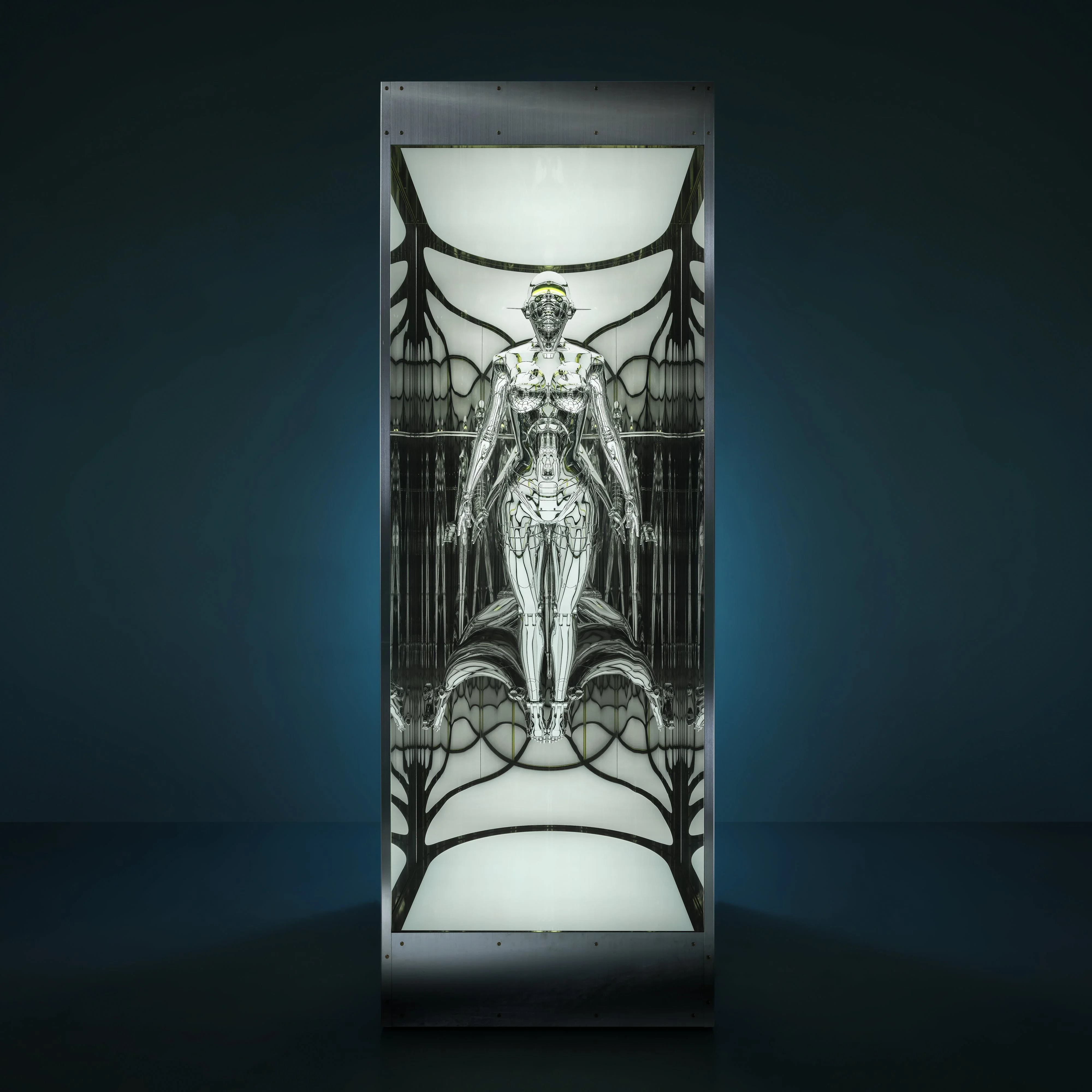
For an editioned sculpture, establish the main edition and artist’s proofs separately; other sizes and materials may have their own editions. Find out where the signature, number, foundry mark or publisher information appears, if those features belong to this particular work. Authentic objects do not all need to carry identical markings.
Scale also affects future costs. A large object needs suitable packing, a delivery route and a safe place to stand. For a resale buyer, being able to install the work at home can matter as much as recognising the artist. Our article on Hajime Sorayama explores the different strands of his practice.
Limited-edition prints: the work and its edition
An original print can be an independent artwork conceived for a printed edition. Its value extends beyond being a more affordable version of a painting. Buyers need to understand the technique, particular image, publisher and terms of the edition.
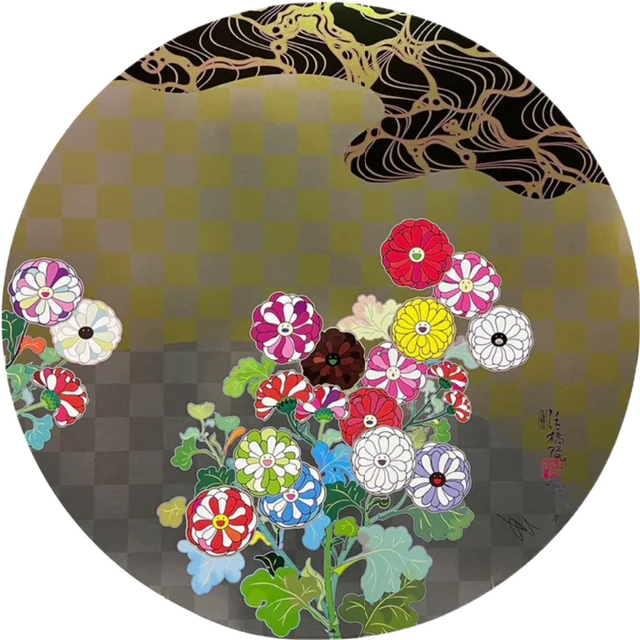
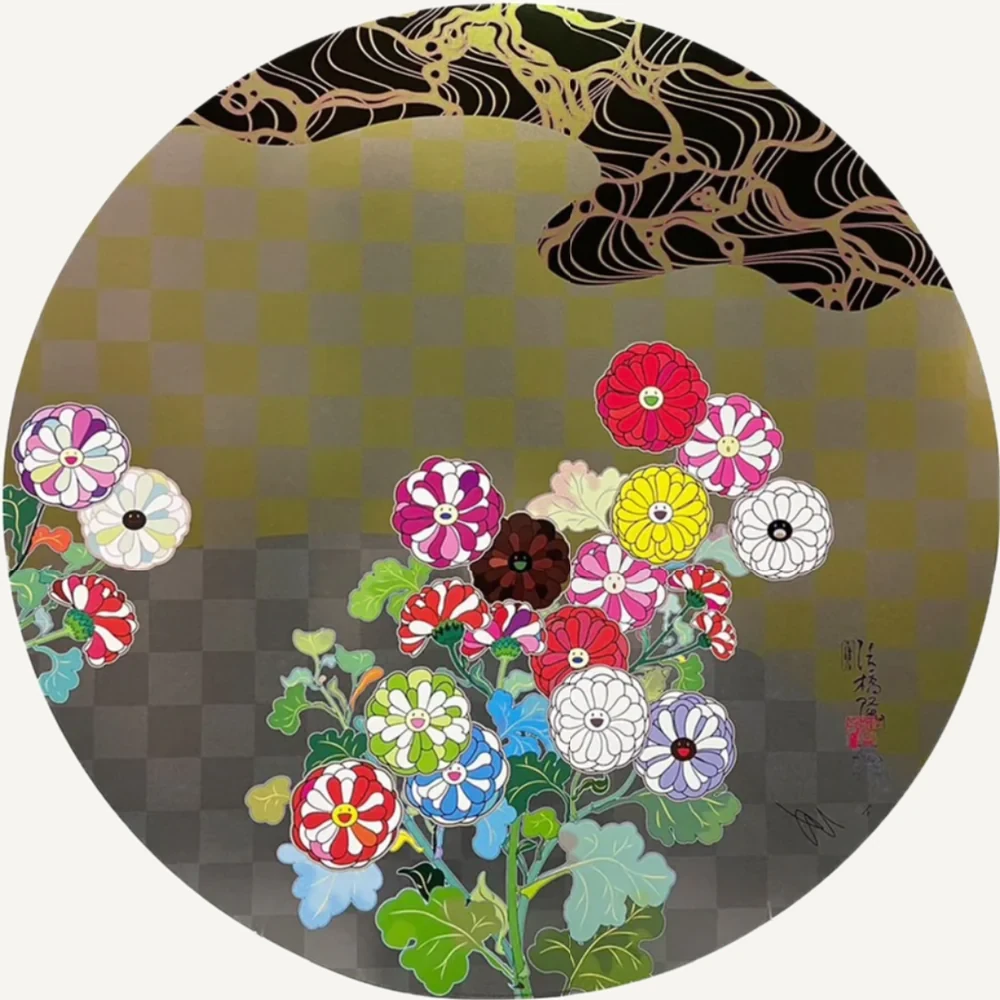
For example, Takashi Murakami’s Korin: Flower and Water in our catalogue is a work from 2023, from an edition of 300, made using offset printing, foil and silkscreen varnish. Those details let you look for comparable examples of that specific work. The word “print”, or a familiar flower, is not enough for a comparison.
The complete print and signature detail
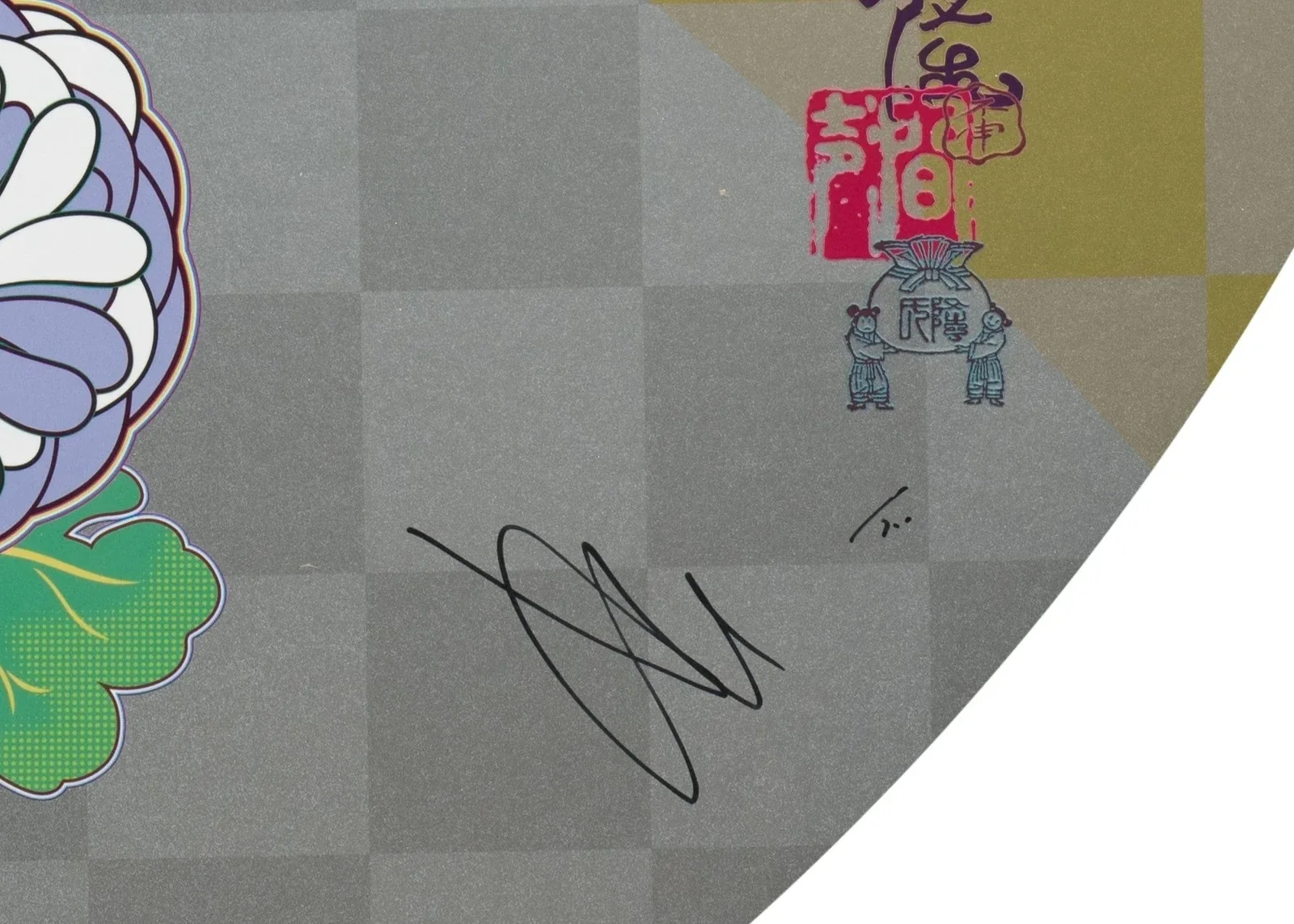
The fraction on a sheet identifies a particular example within the stated edition. There may also be APs, or artist’s proofs; check their number in the edition description. A low number does not by itself guarantee a higher price. Sotheby’s guide to edition markings explains these distinctions.
A reproduction, licensed poster and original editioned print need different descriptions. Our guide to limited-edition prints explains them in detail. Before buying, identifying the sheet’s edition matters more than simply finding a signature in a photograph.
What makes up a price, and what supports it
A well-supported price can be explained through the object itself. Factors include the work’s place in the artist’s practice, interest in the image or character, the release, workmanship, provenance and condition. Rarity matters alongside demand: an object may appear infrequently while attracting only a small group of potential buyers.
A shop price and an auction result arise under different conditions. A retail purchase involves a particular seller, description, photographs, payment terms and handover arrangements. An auction purchase has its own rules, fees and lot condition. Compare the full terms, rather than two unexplained figures.
A high price deserves questions. Why this example? What confirms the release? Are important details intact, and which comparable sales are known? That conversation is more useful than a promise that a famous name will make everything appreciate. We offer pieces from our own collection, so this article looks at both the grounds for a price and the limits of market comparisons.
An artist’s fame does not guarantee equal demand for every work. A popular collaboration does not make every colour, size or condition equally desirable either. The differences often lie in details that do not fit into a short product name.
What completed sales can tell you
Four examples show how different transactions can be, even within familiar categories. All the figures below include the buyer’s premium; they are not the seller’s net proceeds.
| Lot and auction | What sold | Result |
|---|---|---|
| SBI, 15–16 September 2023, lot 61 | Wooden BE@RBRICK Karimoku × Haroshi 400%, 2019, 27 cm | JPY 805,000 |
| SBI, 12–13 September 2025, lot 14 | Three vinyl KAWS GONE figures from 2019: Gray, Brown and Black | JPY 253,000 for all three |
| NEW AUCTION, 28 June 2025, lot 257 | Three different Murakami prints from 2022, each 71 cm in diameter and from an edition of 300 | JPY 529,000 for all three |
| Phillips, 1 June 2024, lot 178 | Sexy Robot Infinity — 1/3 Scale, 2020, 109 cm, example 12/25 | HKD 1,016,000 |
The Murakami lot lists Flower Ball Colorful, Miracle, Sparkle; Inside the Heart of Rainbow; Beyond Dimensions! These are different works from Korin in our catalogue.
In the last sculpture’s title, “1/3 Scale” refers to scale; the edition size of 25 is stated separately. It is a useful example of why a fraction in a title and an edition number cannot be read in the same way. Photographs elsewhere in this article illustrate the formats; the table links open the exact images of the sold lots.
These amounts relate to the stated lots at particular auctions. They are not ArtComBuro’s current price list or an average price for all the artist’s works. Where a lot contains several objects, the result covers the entire group; dividing it by the number of objects does not establish an individual example’s price.
For your own purchase, gather several comparable sales. Record the work, size, material, colour, completeness, condition, date, currency and basis on which the price is reported. Note separately whether the buyer’s premium is included. Few relevant results are also meaningful: they make the valuation less certain.
Look beyond the most successful auctions. Unsold lots and lower results help reveal the limits of demand. A high asking price shows what the seller wants; a confirmed sale records a completed transaction. Neither, on its own, reveals the previous owner’s costs or profit.
Market growth does not measure your collection’s return
The Art Basel and UBS report for 2026 estimates worldwide art sales in 2025 at $59.6 billion, up 4% on the previous year. That measures a change in market turnover, not a promised return on an artwork. In the same report, the auction segment below $50,000 fell 2% by sales value: different parts of the market can move in different directions.
The total brings together different artists, categories, price levels and transactions. It does not show how demand changed for a particular vinyl KAWS or a specific Murakami print. Even two results for similar works in different years do not establish how much one owner earned.
The practical lesson is that a market overview provides context, while a purchase decision needs evidence about the chosen object. If a seller’s case rests entirely on growth in “all art”, the most relevant comparison is still missing.
Documents and photographs to request before paying
Build a small file: full title, artist or brand, manufacturer or publisher, year and version, dimensions, material or technique. Add the edition information, if announced, a description of what is included and purchase documents. Keeping this information with the object will matter at resale.
Christie’s describes provenance research as part of authentication alongside inspection and other methods. Receipts, ownership history, markings and consistency with the release work together. A handsome certificate alone cannot replace that process.
For a designer toy, ask for photographs from every side, including markings, packaging and damage. For sculpture, request views of the base, joins, surface and any markings associated with the edition. For a print, ask to see the entire sheet, margins, signature, numbering, reverse and any areas of concern. A catalogue photograph shows the design; assessing condition needs photographs of the actual example for sale.
An NFC chip, hologram or inscription is useful only in the context of the particular release. Its absence does not automatically make an early model fake if that protection was never used for it. Our guides to authentic KAWS and BE@RBRICK offer further pointers.
Condition is part of value
Look closely at the areas an attractive cover photograph can conceal. On a figure, check joins, fingers, ears, soles, contact points between parts and painted surfaces. On polished sculpture, look for scratches, repairs and a stable base. On prints, check for creases, stains, fading, trimmed margins and traces of earlier framing.
Restoration does not always make an object unsuitable for a collection, but it needs to be known and considered in comparisons. Ask for interventions to be described in writing. “Perfect condition” without detailed photographs leaves too many questions unanswered.
Authentic objects age too. The Canadian Conservation Institute discusses light, temperature and other conditions as factors in preserving plastics. Authenticity alone does not protect vinyl from damage. For works on paper, careful handling, appropriate framing and protection from harmful environmental conditions matter.
Plan a place in advance: stable support, no direct sunlight or nearby heat sources, and a safe distance from passing traffic. A display case helps organise a collection and reduce accidental contact, while each material still has its own needs. Keep the packaging and accessories that belong to the release.
How much needs to come back when you sell
Start with the total purchase cost. That includes the price, applicable fees, shipping, insurance and other transaction expenses. A print may need framing; a large sculpture may need specialist packing. Then account for ownership costs and a future sale. Taxes and import rules depend on the particular transaction.
A published auction result and the money a seller receives are different amounts. Sotheby’s explains its selling arrangements: commission and agreed expenses are deducted according to the contract. Do not assume one universal rate for every venue.
An illustrative example, not a product price or an auction fee schedule. A purchase, including all initial expenses, cost $2,300. The object later sold for $2,500, with hypothetical selling expenses of 15%, or $375. The owner received $2,125: $175 less than the amount spent. Taxes and other possible costs are excluded here.
To recover $2,300 with the same hypothetical 15% selling costs, the sale price would need to be about $2,706. The calculation is straightforward: the amount spent divided by 0.85. A different commission or additional expenses changes the price needed to recover your outlay. Over several years, changes in purchasing power and currency risk also matter.
Who might buy the object from you
Before buying, picture the whole resale process. Is there a venue that handles this format and price level? Is it currently accepting similar objects? Which documents and photographs will it request? How long might acceptance, preparation, the sale and payment take?
An auction house is not obliged to accept every object by a famous artist. A specialist’s estimate is not a guaranteed sale. If bids do not reach the agreed minimum, or no buyer is found, the money remains tied up in the object. Selling urgently may require different terms and a lower price.
For a small print or vinyl figure, fees and shipping can account for a substantial share of the amount. With a large sculpture, dimensions and logistics can further narrow the pool of buyers. A more expensive object is therefore not necessarily easier to resell.
Repeated comparable transactions are a more useful measure of demand than likes, release-day queues or a famous owner. Holding an object for a long time does not automatically turn weak demand into strong demand. Consider how long you are willing to keep it if no suitable offer arrives.
Seven questions before your first purchase
- Do I understand what I am buying? The exact work or release, material, size and contents are recorded.
- Do I like the object itself? You are prepared to keep it if resale takes time or proves unprofitable.
- What supports its provenance and condition? There are photographs of this particular example and clear documentation.
- What did I compare the price with? You found relevant sales, rather than only the artist’s record and high asking prices.
- What is the full budget? It includes shipping, framing or packing, storage and possible selling expenses.
- Where will it go? The scale, support, lighting and conditions at home suit the material.
- How might I sell it later? You understand the possible venue, its terms and the possibility that no ready buyer will be available.
If one of these questions remains unanswered, resolve it before paying. This approach cannot remove market uncertainty, but it helps you choose with a clear understanding of what you are paying for.
Where to start exploring our collection
Start with a format you would enjoy looking at every day. With KAWS, you can compare characters and compositions; with BE@RBRICK, different artistic and material treatments of one platform. The exclusive art objects section lets you compare three-dimensional works. The Murakami collection helps show how prints differ from other objects carrying his motifs.
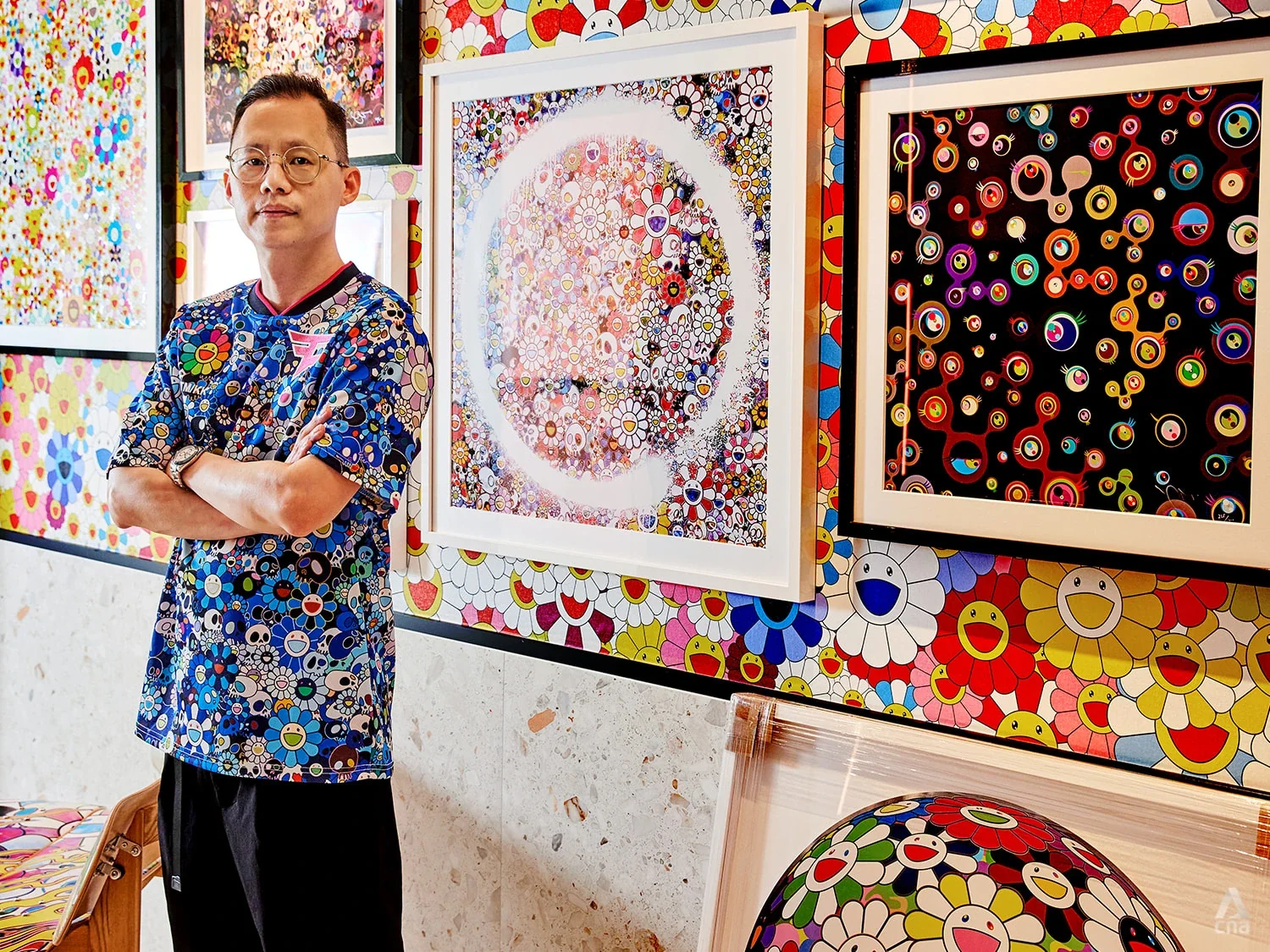
Below are four pieces from our catalogue that introduce different approaches. The selection follows the article’s subject; it is not a ranking of expected returns. Each has its own release, technique and collector audience.
Before choosing, confirm the particulars of the example: condition, contents, documents and handover terms. A good first purchase offers a recognisable name and an object you understand, with a history, a place at home and a price that makes sense to you.